How to Tell if a Table Is High Quality: A Practical Guide
A table often becomes the anchor of a room, whether it is a dining table, console, or side table. It sets the tone for the space and takes on daily use, which means quality is not optional. For interior designers and remodeling teams, choosing the right table is part craft and part inspection. A polished surface can look impressive in a showroom, but the real strength of a piece is in the details that are easy to overlook. Knowing what to check ensures you recommend pieces that last, not just pieces that photograph well.
1. Materials
Start with materials. Solid wood is still the gold standard for strength and longevity, but not all wood is equal. Hardwoods like oak, walnut, and maple hold their shape and resist dents far better than softer woods. High quality veneers are a strong option too, as long as they are laid over a stable core such as plywood or MDF of high grade. A good veneer sits tight across the surface, with no bubbling, peeling, or mismatched grain. If a table uses particleboard or a thin laminate layer, the risk of sagging, swelling, or surface damage increases quickly.
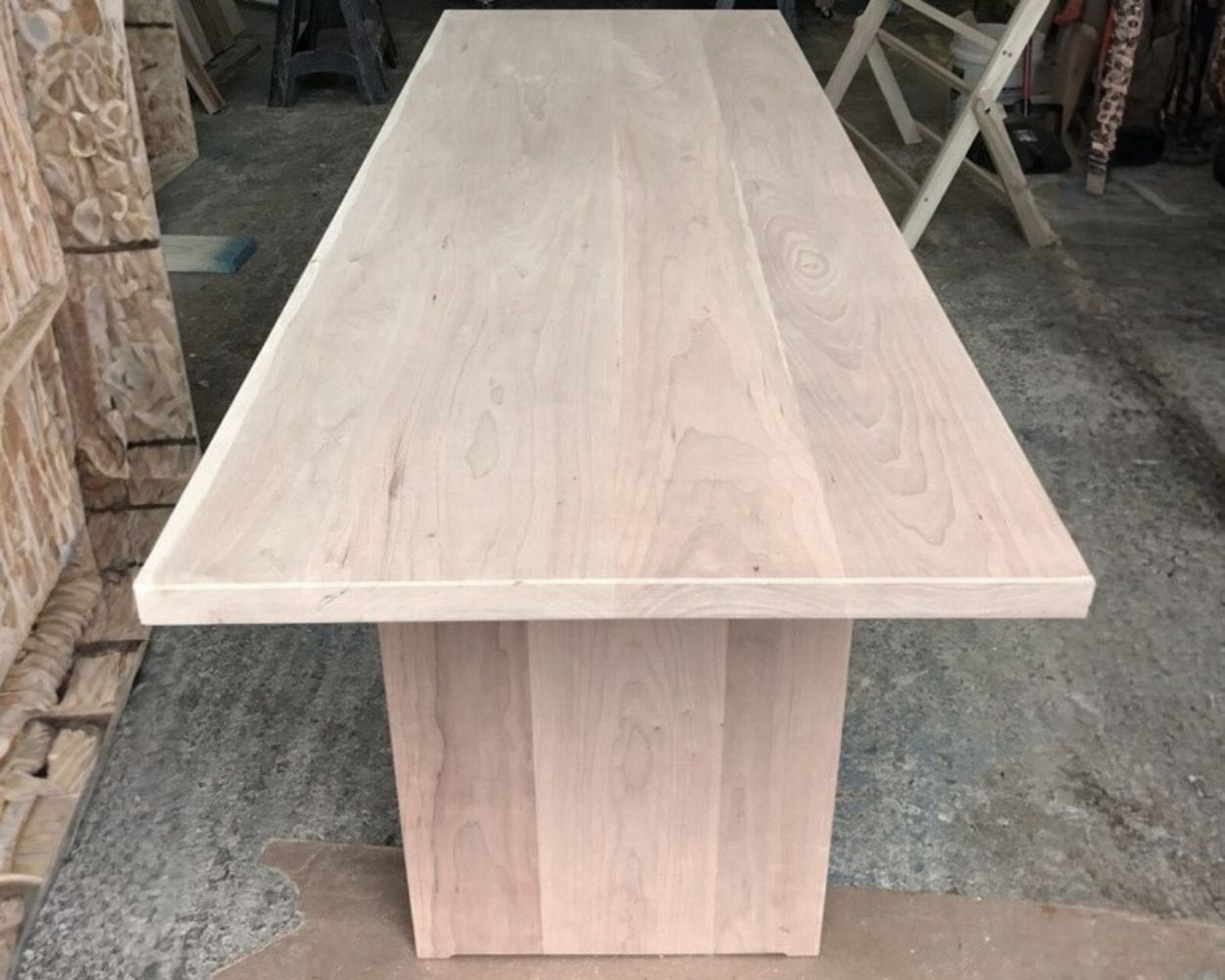
Maple table and base in clear finish
2. Joinery
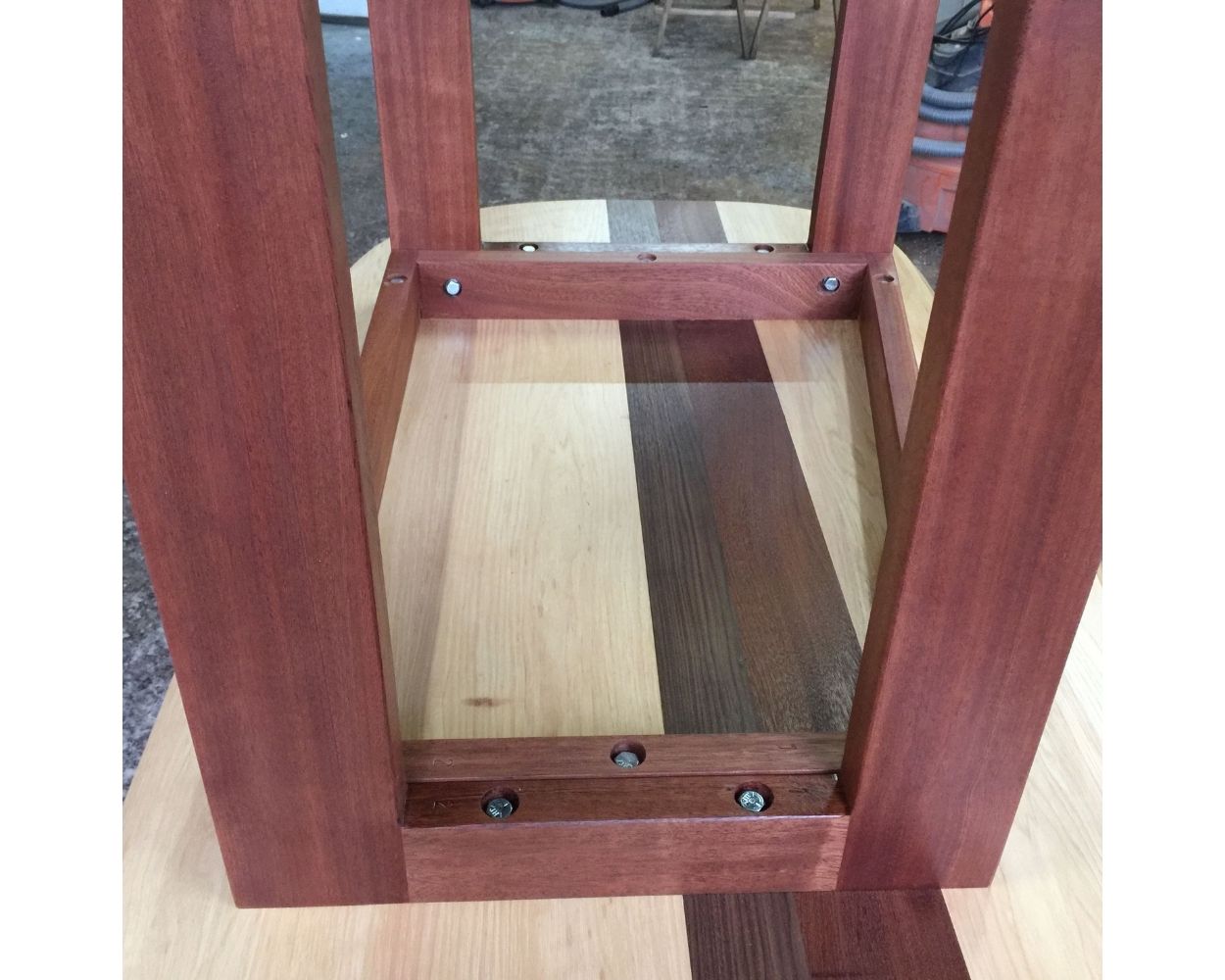
Next, look at the joinery. This is where craftsmanship becomes clear. Mortise and tenon joints, dovetail drawers, and well-sized dowels signal care in construction. If you flip a table and see weak staples, thin screws, or brackets that look like they were added as an afterthought, the piece will not age well. Factory tables can still be excellent when engineered properly, but the structure should feel intentional. Designers know that hidden joinery often tells the real story of durability.
3. Stability
Stability is another test. A high quality table feels steady and grounded even when pressure is applied from different angles. Light rocking or subtle movement suggests loose joints or thin legs. Weight distribution matters too. A well-built table carries a solid feel without being excessively heavy. When a piece feels hollow, it usually is.
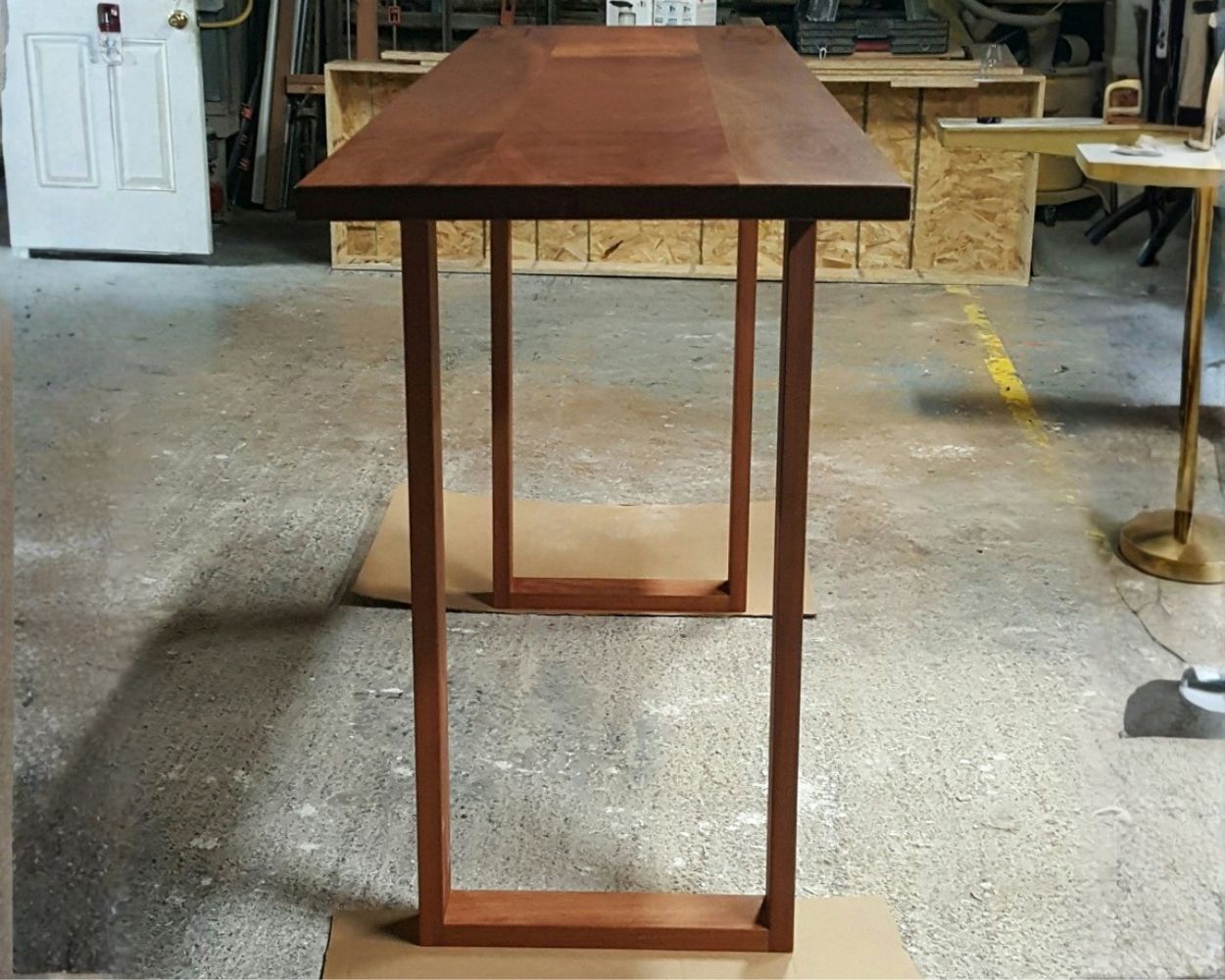
Bar height mahogany table and base
4. Finish
Pay attention to the finish. A strong finish protects the table from water marks, scratches, and daily wear. Run your hand across the surface. The finish should feel smooth, consistent, and properly sealed. If the sheen varies or the grain looks uneven, the finishing process was rushed. On stained wood, color should appear uniform across the top, edges, and legs. Any cloudiness or blotching is a warning sign.
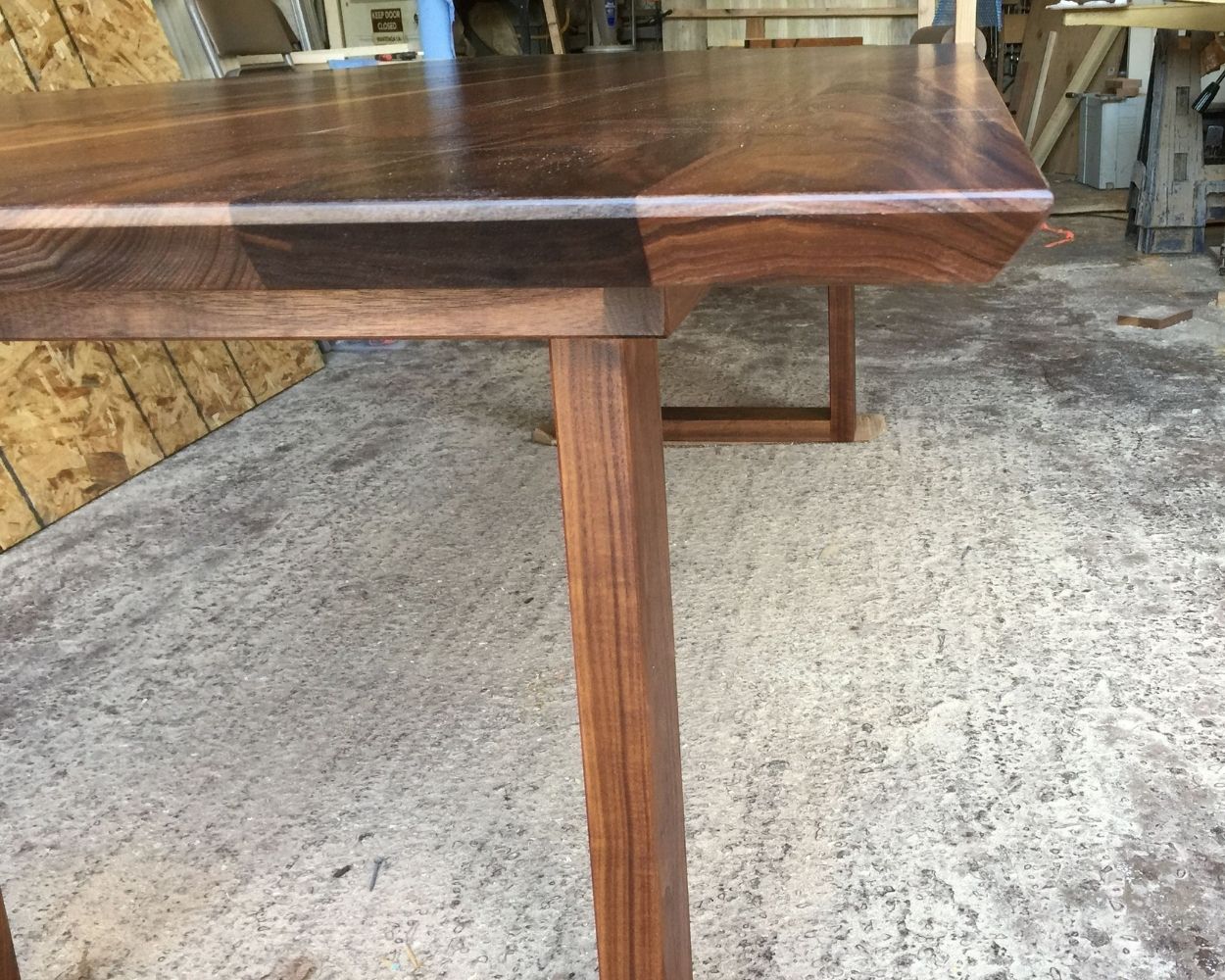
5. Hardware
Hardware and edge details offer final clues. Quality tables use strong metal hardware, not thin or poorly coated pieces. Edges should be sanded clean and shaped with intention, whether square, rounded, or beveled. Sharp corners, rough patches, or misaligned edges show a lack of refinement.
A high quality table is not just a piece of furniture. It is a long term investment that supports the function and character of a room. For design professionals, knowing what separates good from forgettable helps you guide clients toward choices that stand up to real life, not just the initial install. When materials, joinery, stability, and finish come together, you have a table worthy of any project.