The Best Types of Wood for Dining Tables
Choosing the right wood for a dining table is one of the most important decisions in both residential and commercial interiors. The dining table sees daily use, frequent movement, and constant exposure to heat, spills, and wear. Here’s a breakdown of the most commonly used woods for dining tables and when to use each.
Oak
Oak remains one of the most popular choices for dining tables, and for good reason. It’s a hardwood known for strength and longevity. Oak resists dents better than many softer woods and holds up well in busy households.
The grain is prominent, giving oak a classic, textured look that works well in traditional, transitional, and modern farmhouse interiors. White oak offers a slightly cleaner grain and warmer tone, while red oak has a more pronounced pattern.
Designers often specify oak for clients who want durability without sacrificing warmth.
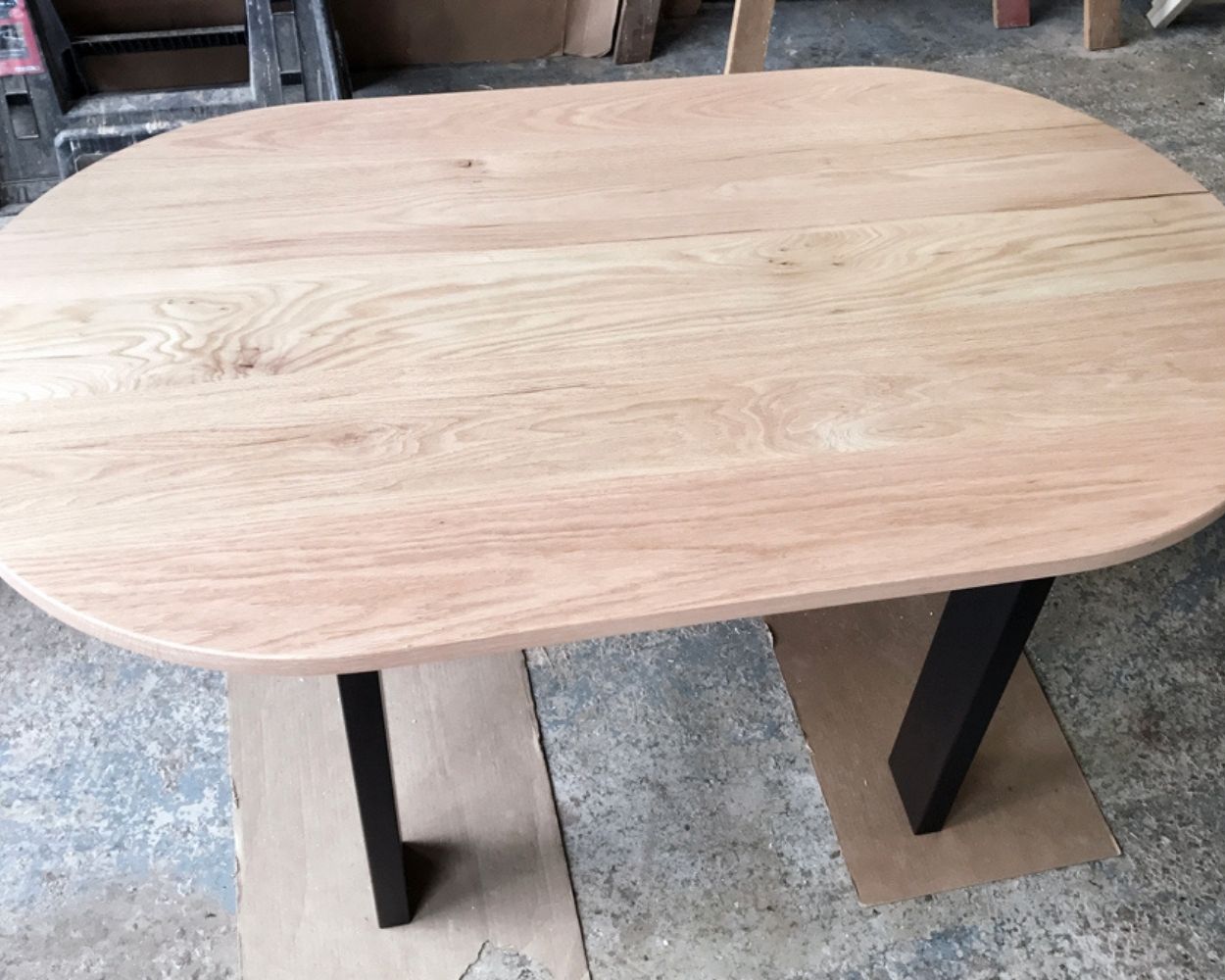
DT-90336 TL-80046-Oval red oak table top espresso base
Walnut
Walnut is prized for its deep, rich color and smooth grain. It brings an immediate sense of sophistication to dining spaces and works beautifully in modern and mid-century interiors.
While walnut is slightly softer than oak, it performs well with proper care. Scratches tend to blend into the darker tone, which can be an advantage in high-use spaces.
For higher-end projects or statement dining rooms, walnut is a favorite for its refined appearance.
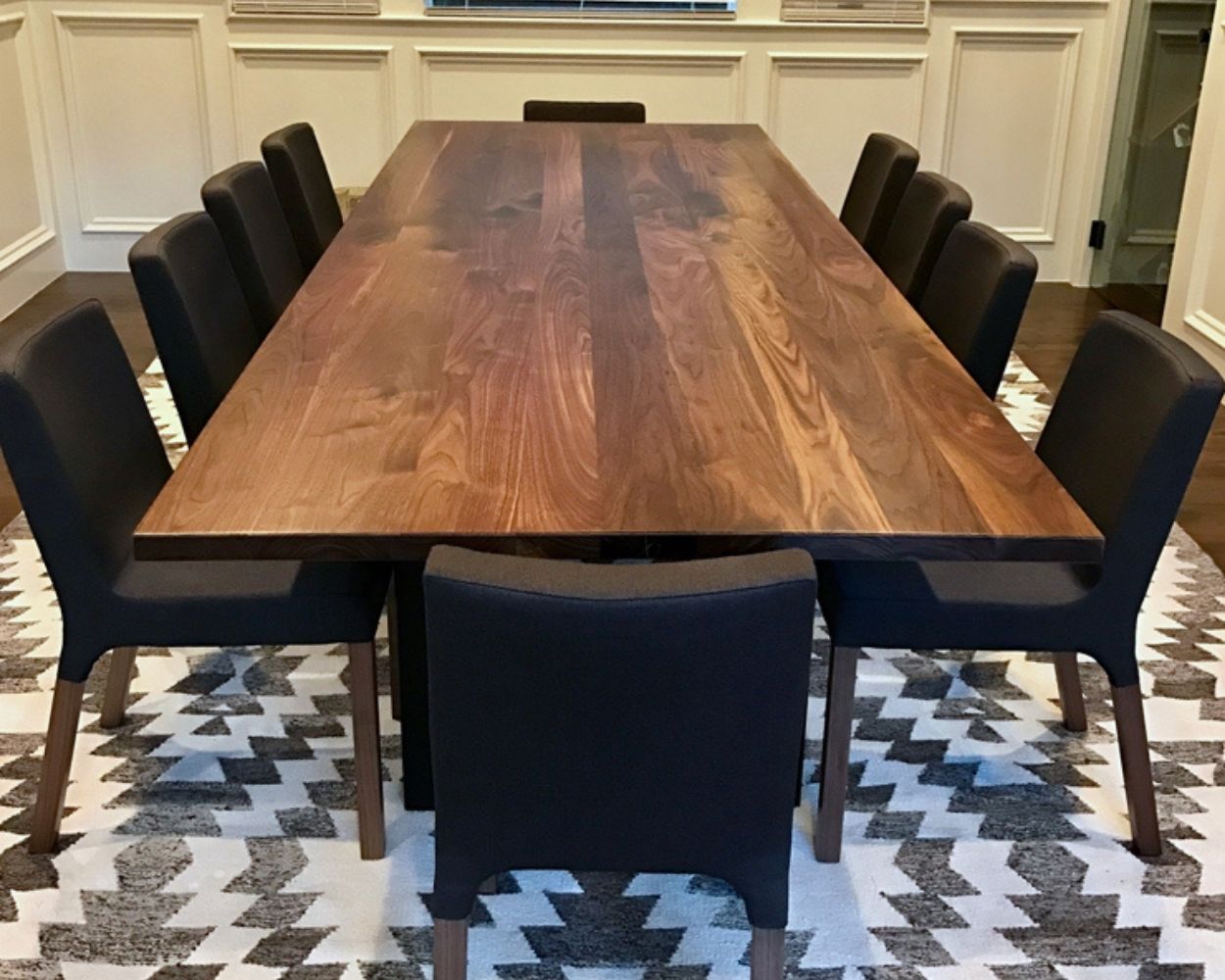
DT-90314_TL-80005 Walnut table
Maple
Maple is a dense hardwood with a subtle grain and light, even color. It’s one of the hardest domestic woods, making it highly resistant to dents and wear.
Because of its clean look, maple works well in contemporary and minimalist spaces. It also takes stains and finishes evenly, offering flexibility in design.
Remodelers often recommend maple for families who prioritize durability and a low-maintenance surface.
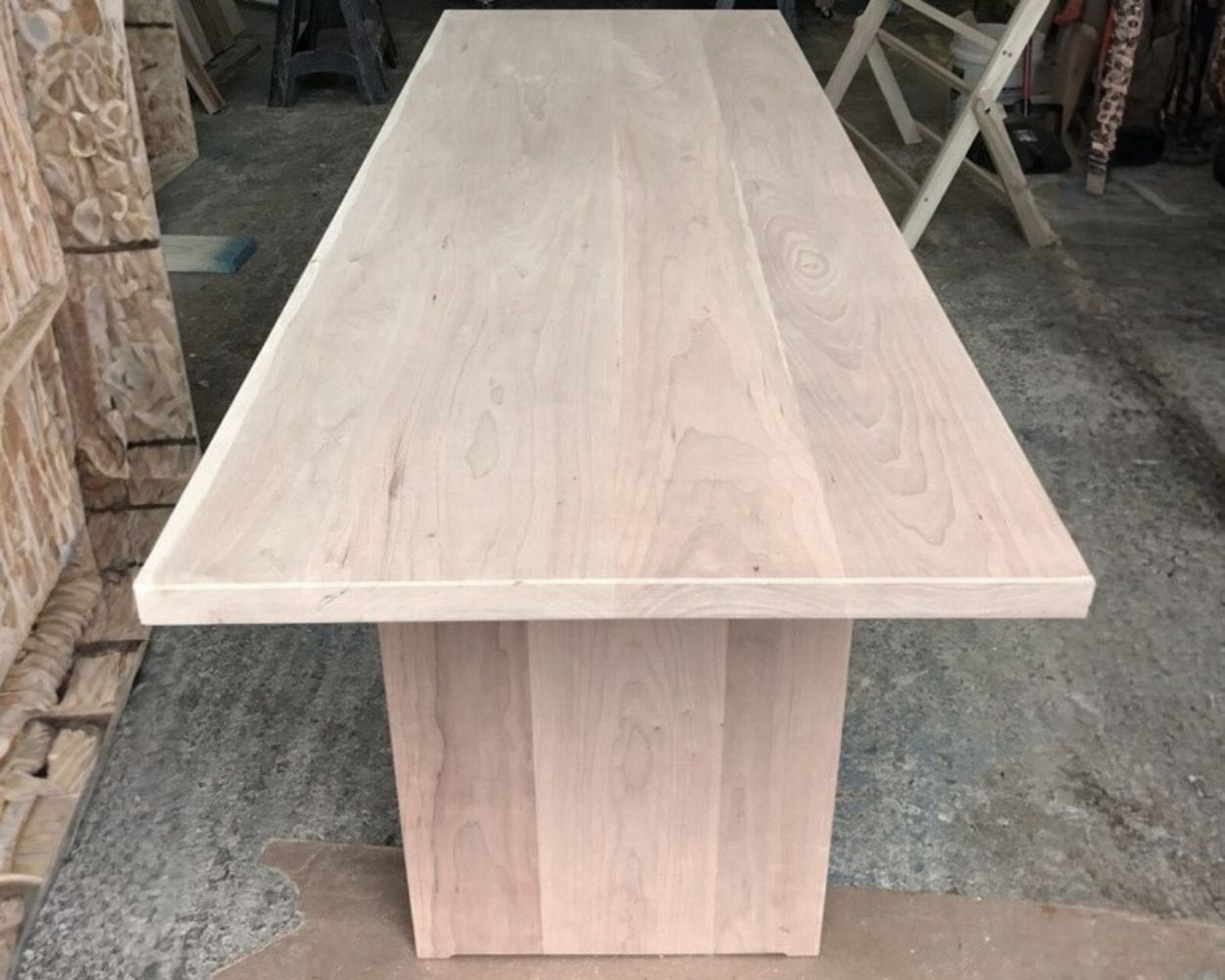
DT-90264_TL-80079 – Maple table and base in simple clear finish
Ash
Ash offers a similar strength to oak but with a lighter appearance. Its grain is bold yet clean, making it a great option for modern or Scandinavian-inspired interiors.
Ash is durable and flexible, which helps it resist cracking over time. Designers appreciate ash for clients who want a lighter wood tone without sacrificing structural integrity.
Reclaimed Wood
Reclaimed wood brings unmatched character. Each table tells a story through knots, marks, and variations in tone. This option appeals to clients seeking sustainability and a one-of-a-kind look.
However, reclaimed wood requires careful sourcing and finishing. Proper treatment is essential to ensure stability and food-safe surfaces.
Designers often use reclaimed wood in rustic, industrial, or eclectic spaces where texture is celebrated.
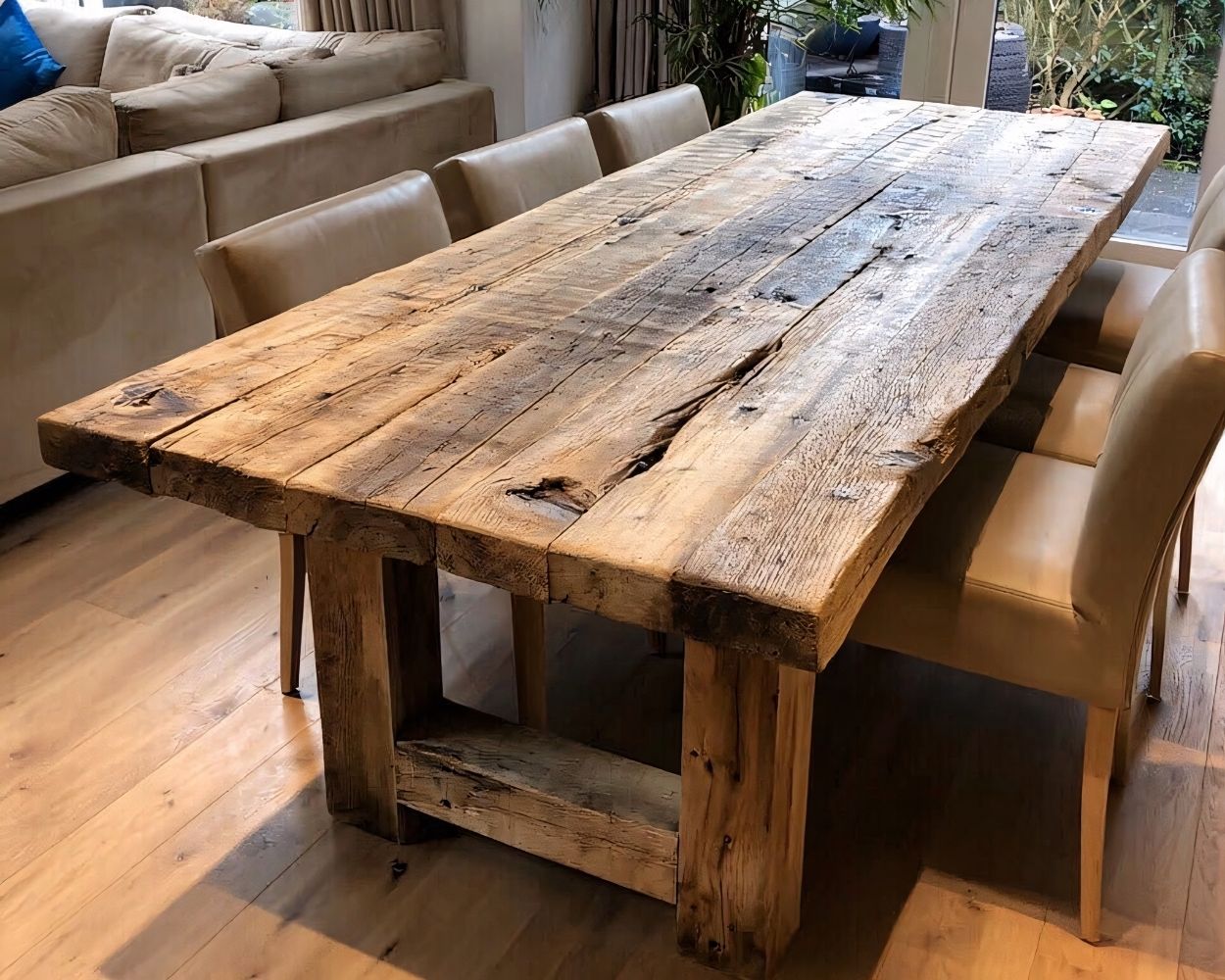
Selecting the best wood for a dining table is about balancing durability, style, and lifestyle needs. Oak and maple excel in high-use homes, walnut delivers visual impact, ash offers lightness and strength, and reclaimed wood adds character with purpose. For interior designers, remodeling companies, and home design professionals, understanding these differences ensures dining tables look beautiful and perform well for years to come.