What Type of Wood Is Best for a Table?
Choosing the right wood for a table is one of the most important decisions in furniture design. Tables are high-use surfaces. They anchor rooms, take daily wear, and often serve as visual focal points. Wood selection isn’t just about looks. Customers also take into consideration a table’s performance, longevity, and how it fits into the overall design story.
So, what type of wood is best for a table? The answer depends on how the table will be used, where it will live, and the level of durability your client expects.
Hardwoods vs Softwoods
For most tables, hardwoods are the preferred choice. Hardwoods come from deciduous trees and are denser, more durable, and better suited for surfaces that see regular use. Softwoods, like pine or fir, can work for casual or decorative tables, but they dent and scratch more easily.
For dining tables, work tables, and conference tables, hardwoods almost always deliver better long-term value.
Oak
Oak is one of the most commonly specified woods for tables. It’s strong, durable, and widely available. Oak holds up well in high-traffic homes, family dining rooms, and commercial settings. Its beautiful grain gives it a timeless look that works in traditional, transitional, and modern interiors.
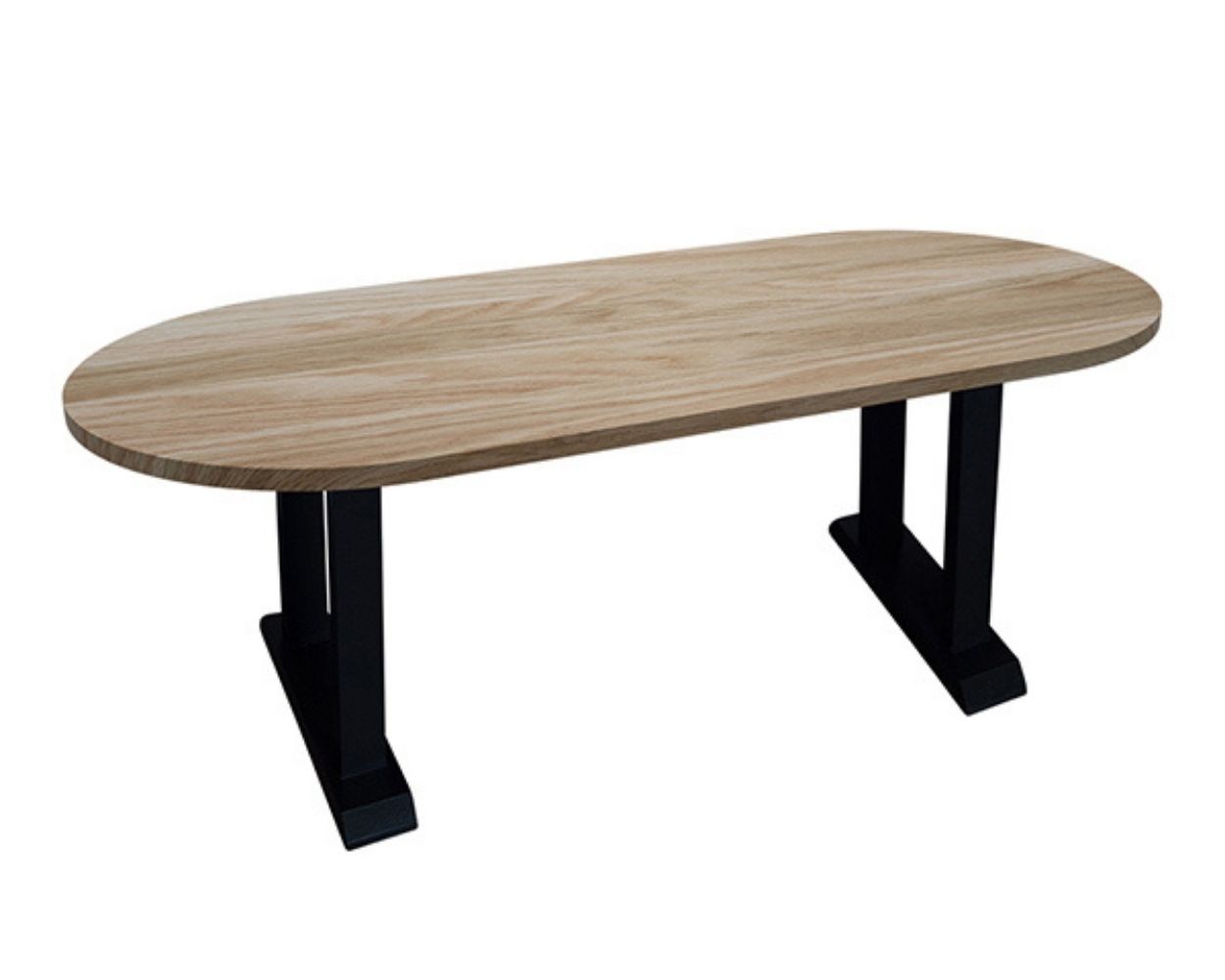
Designers often choose oak when durability is the top priority and the table needs to age gracefully over time.
Walnut
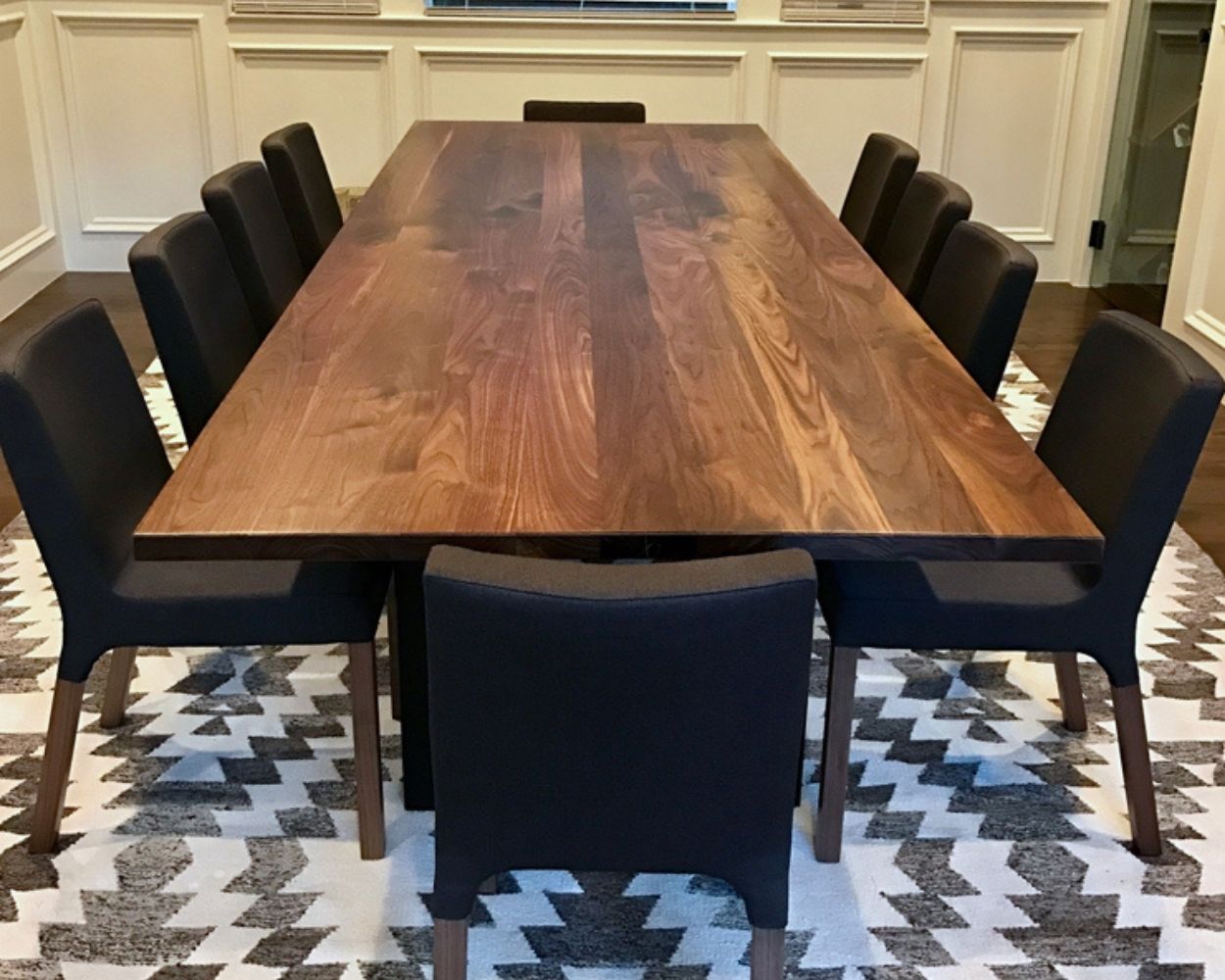
Walnut is prized for its rich, dark tone and smooth grain. It feels refined and intentional, which makes it a favorite for statement tables and modern interiors. While slightly softer than oak, walnut still performs well when properly finished and maintained.
Walnut tables are ideal for clients who want a sophisticated look and are willing to treat the piece as a design investment rather than a utility surface.
Maple
Maple is a dense hardwood with a subtle, uniform grain. It resists dents and wear better than many woods, making it an excellent choice for work tables, desks, and family dining spaces. Its lighter color fits well in contemporary and Scandinavian-inspired designs.
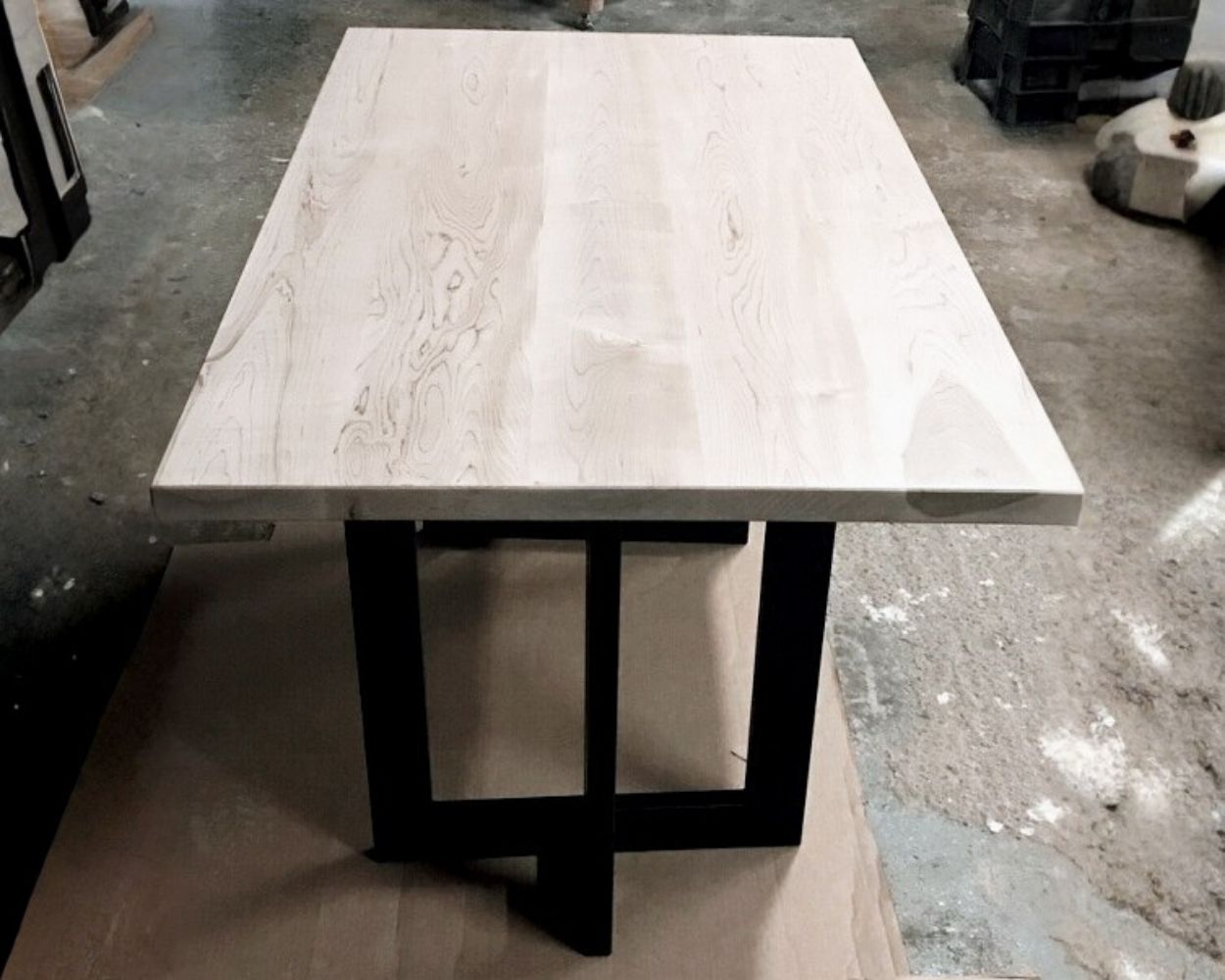
Maple is a strong option when you want durability without heavy grain movement.
Ash
Ash offers excellent strength with a grain that’s more pronounced than maple but lighter than oak. It’s often used in modern and mid-century designs where texture matters. Ash tables feel sturdy while still visually light, making them a smart choice for open-concept spaces.
Reclaimed and Engineered Options
Reclaimed wood adds character and sustainability appeal, but quality can vary. It works best when sourced carefully and sealed properly. Engineered wood with a solid wood veneer can be cost-effective, but it won’t match the lifespan of solid hardwood for heavily used tables.
The best wood for a table depends on use and intent. For durability and everyday living, oak and maple are safe, long-lasting choices. For elevated design and visual impact, walnut delivers depth and sophistication. Ash offers a balance of strength and texture, while reclaimed wood brings character when sourced responsibly.