10 Expert Tips to Choose the Best Mirror for Your Home
Mirrors are often treated as simple accessories, but in professional interior design they serve a much larger purpose. A well-chosen mirror can improve lighting, expand the sense of space, and strengthen the visual balance of a room. For interior designers, remodeling companies, and home design professionals, selecting the right mirror is an important step in creating refined and functional interiors.
Here are ten tips to help you choose the best mirror for your home or design project.
1. Start With the Purpose
Before selecting a mirror, define its role. Is it meant to provide daily functionality, increase natural light, or act as a decorative focal point? Understanding the purpose helps guide the size, shape, and placement.
2. Choose the Right Size
Scale is one of the most important factors. A mirror that is too small will look out of place, while one that is too large can overwhelm the wall. In bathrooms, mirrors should typically be slightly narrower than the vanity below them to maintain proper proportion.
3. Consider Framed Mirrors for Structure
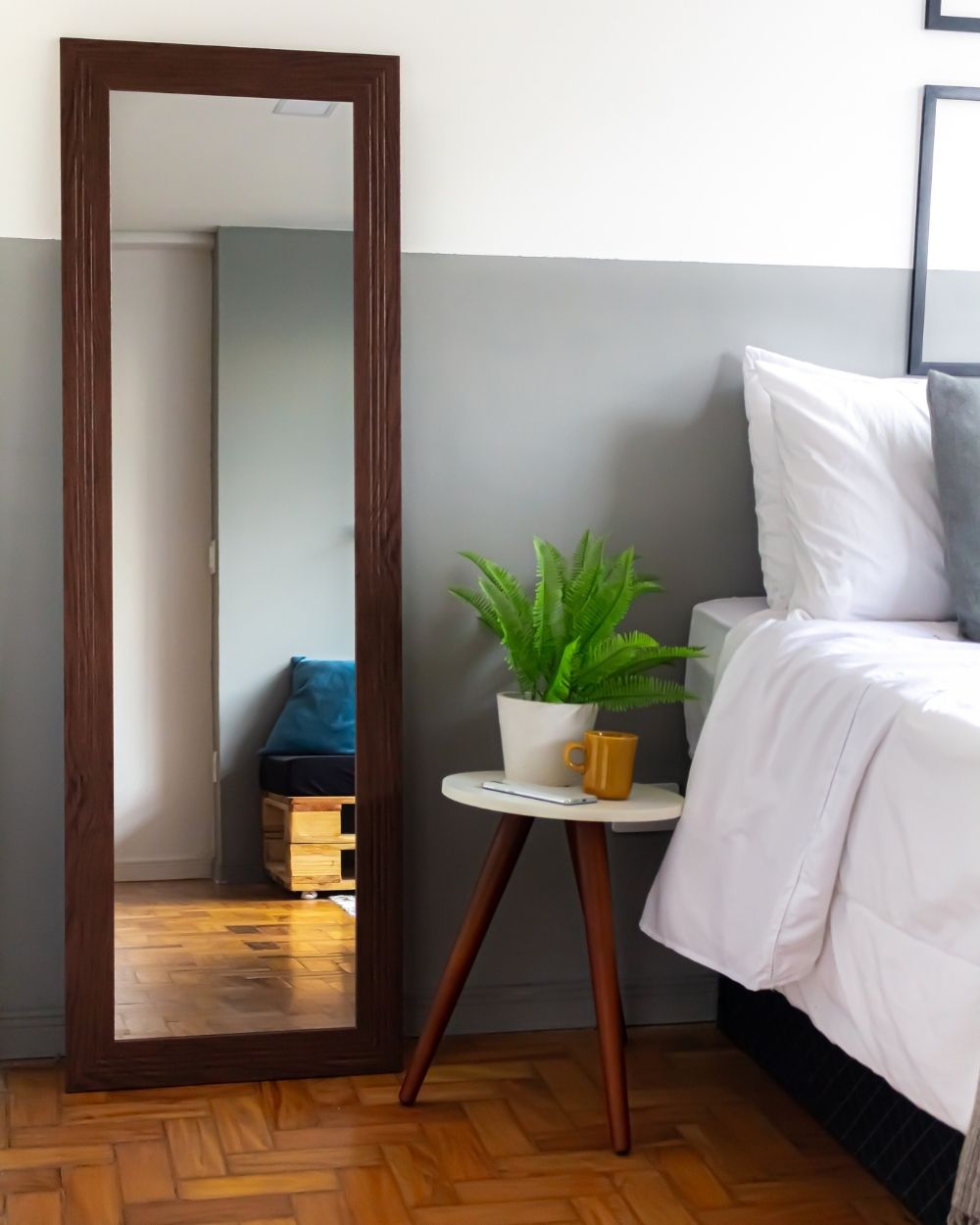
Framed mirrors often deliver a more finished look than frameless designs. A frame adds definition and allows the mirror to connect visually with other elements such as lighting fixtures, cabinetry, or hardware.
4. Use Custom-Sized Mirrors for Better Fit
Standard mirror sizes do not always align with the dimensions of a room. Framed, custom-sized mirrors allow designers to achieve precise alignment with furniture, vanities, and architectural features. This creates a more intentional and polished appearance.
5. Select the Right Shape
Mirror shape should complement the layout of the space. Rectangular mirrors are versatile and work well above vanities or consoles. Square mirrors can create a strong focal point in smaller rooms or powder bathrooms where balanced proportions are important.
6. Think About Light Reflection
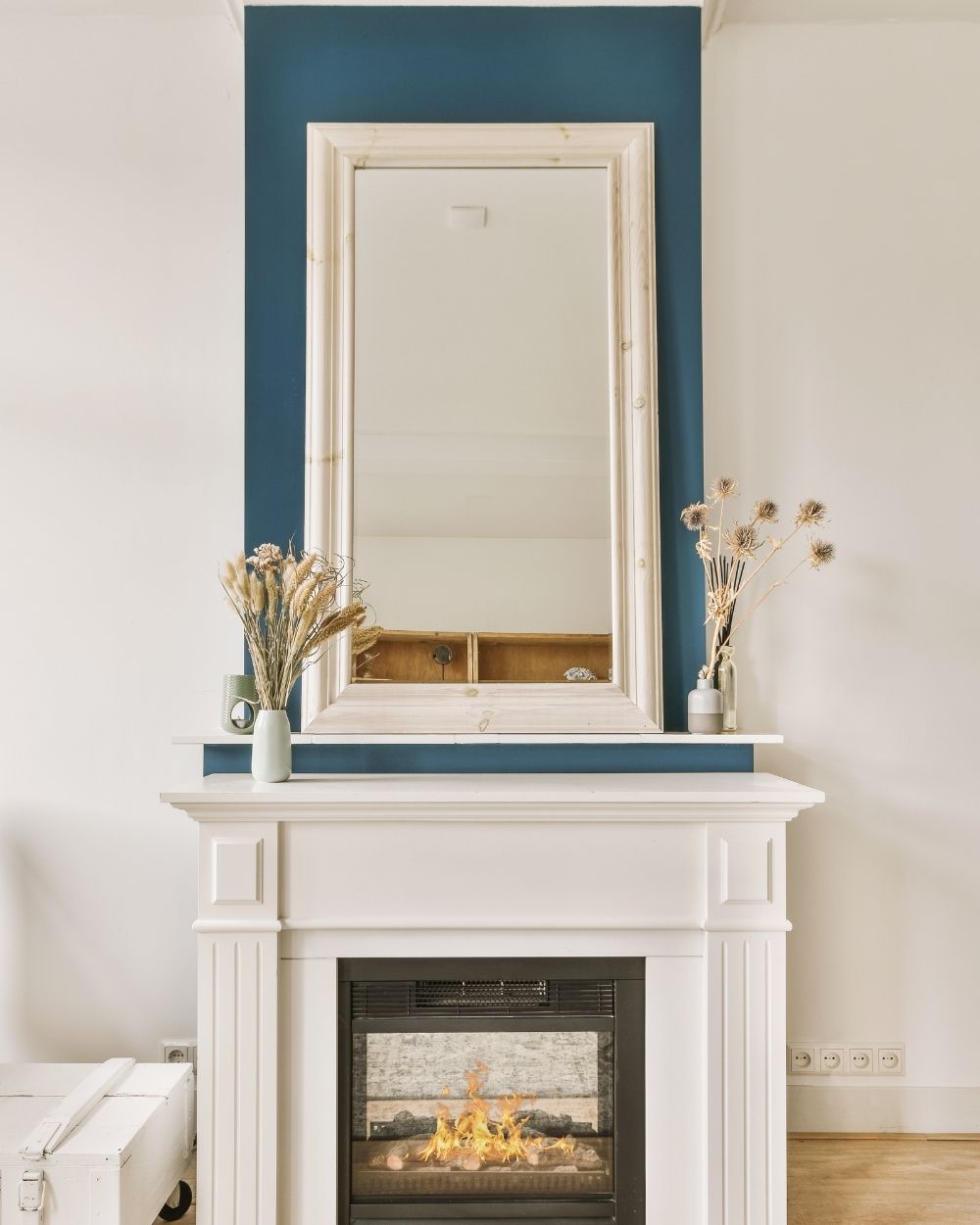
Mirrors should be positioned where they can reflect natural or artificial light. Placing a mirror opposite a window or near a light source can brighten the room and make the space feel larger.
7. Coordinate With Other Finishes
Mirror frames should relate to other finishes in the room. Matching or complementing metals such as faucets, cabinet hardware, or lighting helps maintain a cohesive design language.
8. Pay Attention to Placement Height
The height of the mirror should suit the function of the space. Bathroom mirrors should be positioned so that most users can see their reflection comfortably. In living spaces, mirrors are often placed at eye level to maintain visual balance.
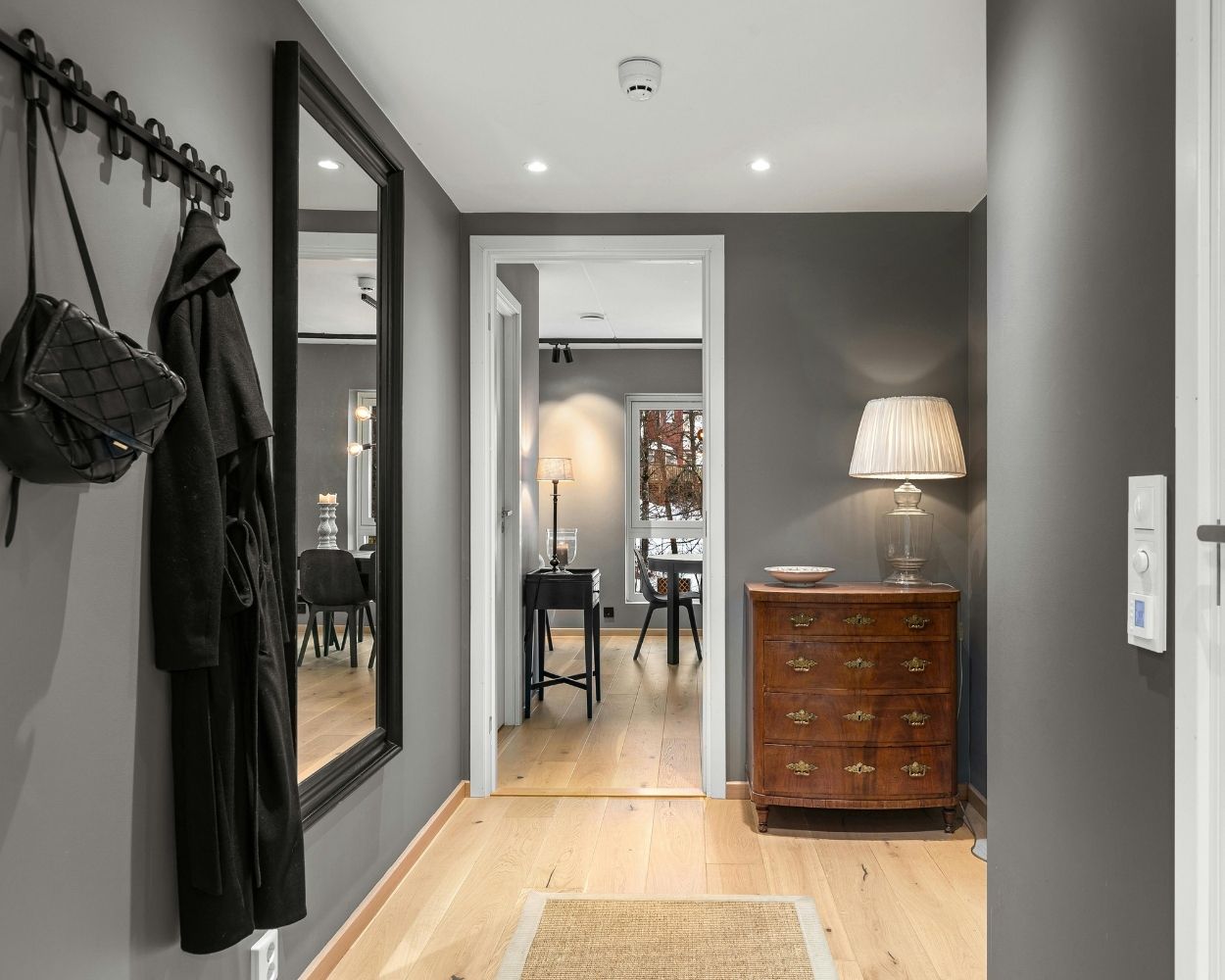
9. Avoid Reflecting Clutter
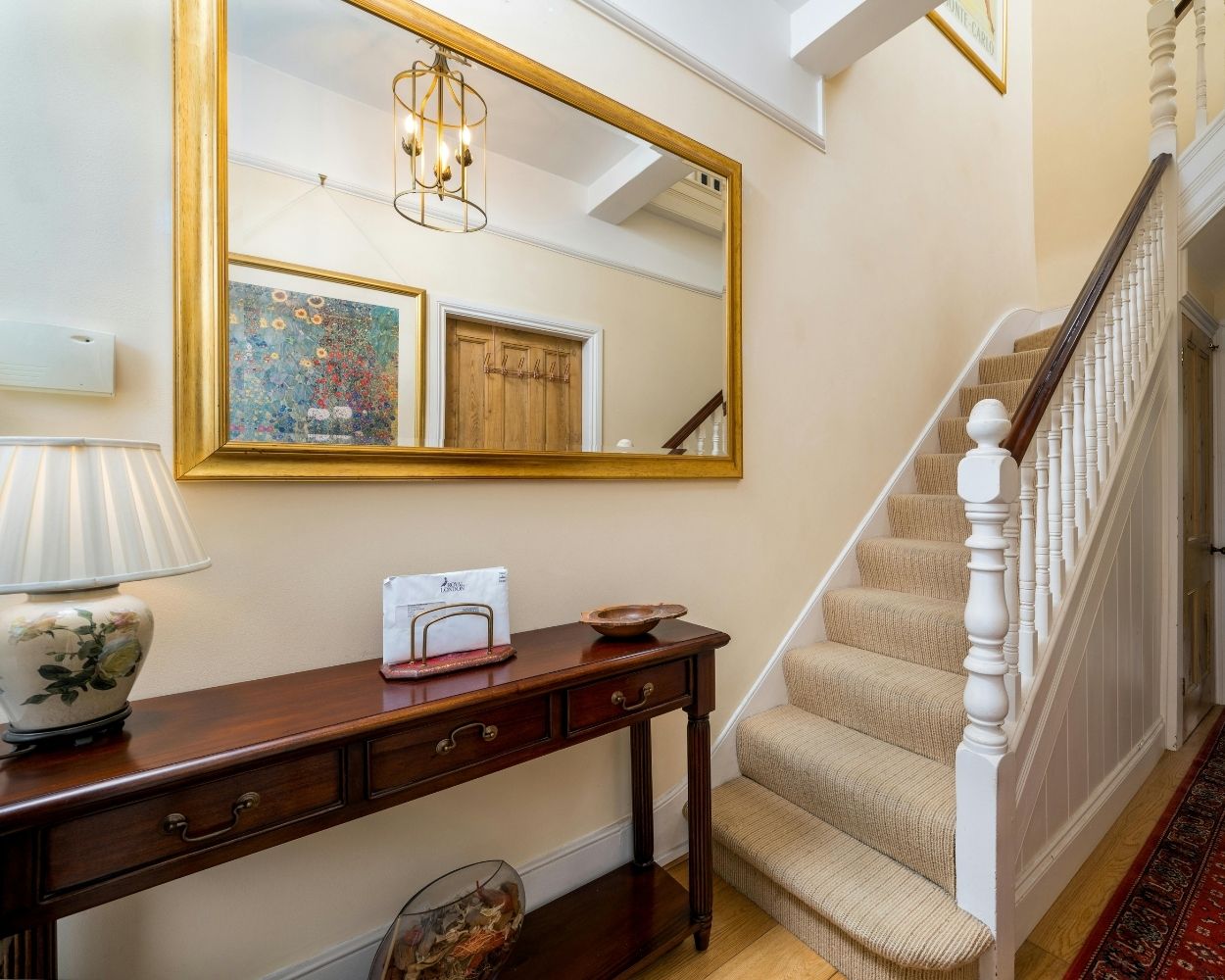
What a mirror reflects is just as important as the mirror itself. Designers carefully place mirrors so they reflect attractive elements such as windows, artwork, or architectural details rather than clutter or storage areas.
10. Treat Mirrors as Design Elements
Rather than viewing mirrors as simple utilities, treat them as part of the architecture of the room. A well-chosen framed mirror can anchor a wall, define a focal point, and elevate the overall design.
Choosing the right mirror requires attention to proportion, placement, and style. Using framed, custom-sized mirrors and considering how they interact with light and architecture, designers and remodeling professionals can dramatically improve the look and function of residential spaces.