5 Tips on How to Choose a Floor Mirror
Floor mirror is one of the most underrated tools in a space. Chosen well, it can make a room feel larger, brighter, and more intentional. Chosen poorly, it becomes visual clutter. The difference comes down to size, shape, framing, and placement, especially when working with custom-sized mirrors. Here’s how professionals approach the decision.
1. Start with Purpose, Not Style
Before selecting a mirror, define its role. Is it meant to reflect light in a dark hallway? Act as a functional dressing mirror in a bedroom? Or anchor a living space visually?
For designers and remodelers, this step is critical. A floor mirror used purely for function can be simpler and more understated. A mirror meant as a focal point should carry more visual weight through scale or framing.

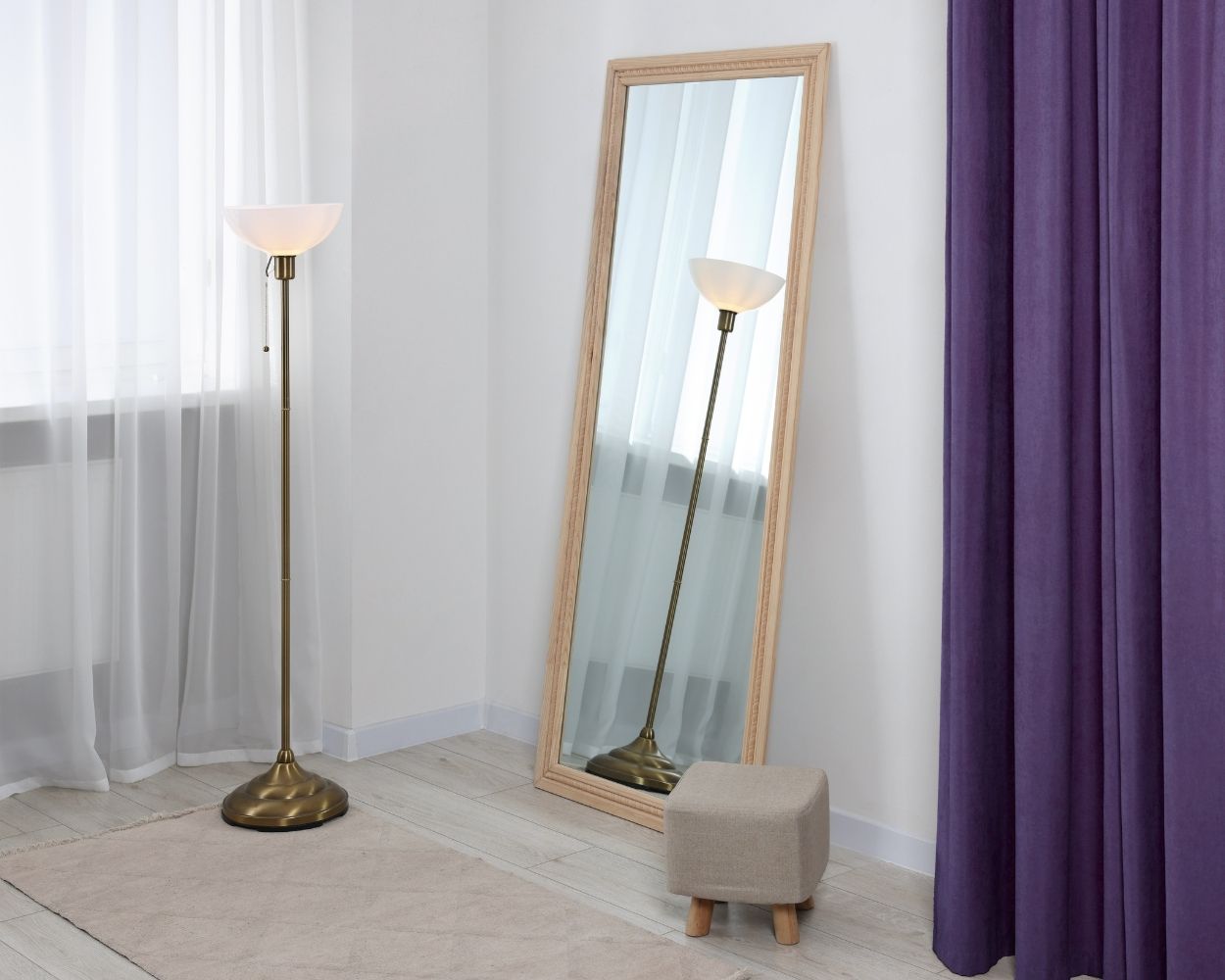
MAL-0908 Silver Framed Mirror for Bedroom
2. Get the Size Right
Floor mirrors should feel proportional to the room and adjacent furniture. A mirror that’s too small looks accidental. Too large, and it overwhelms the space.
In most residential projects, mirrors between 60 and 72 inches tall work well. Width depends on wall space and furniture placement. This is where custom-sized mirrors shine. Custom sizing allows you to align the mirror perfectly with door frames, millwork, or cabinetry lines, which instantly elevates the design.
For remodels, especially in primary bedrooms or dressing areas, custom sizing prevents awkward gaps and makes the mirror feel built-in rather than added later.
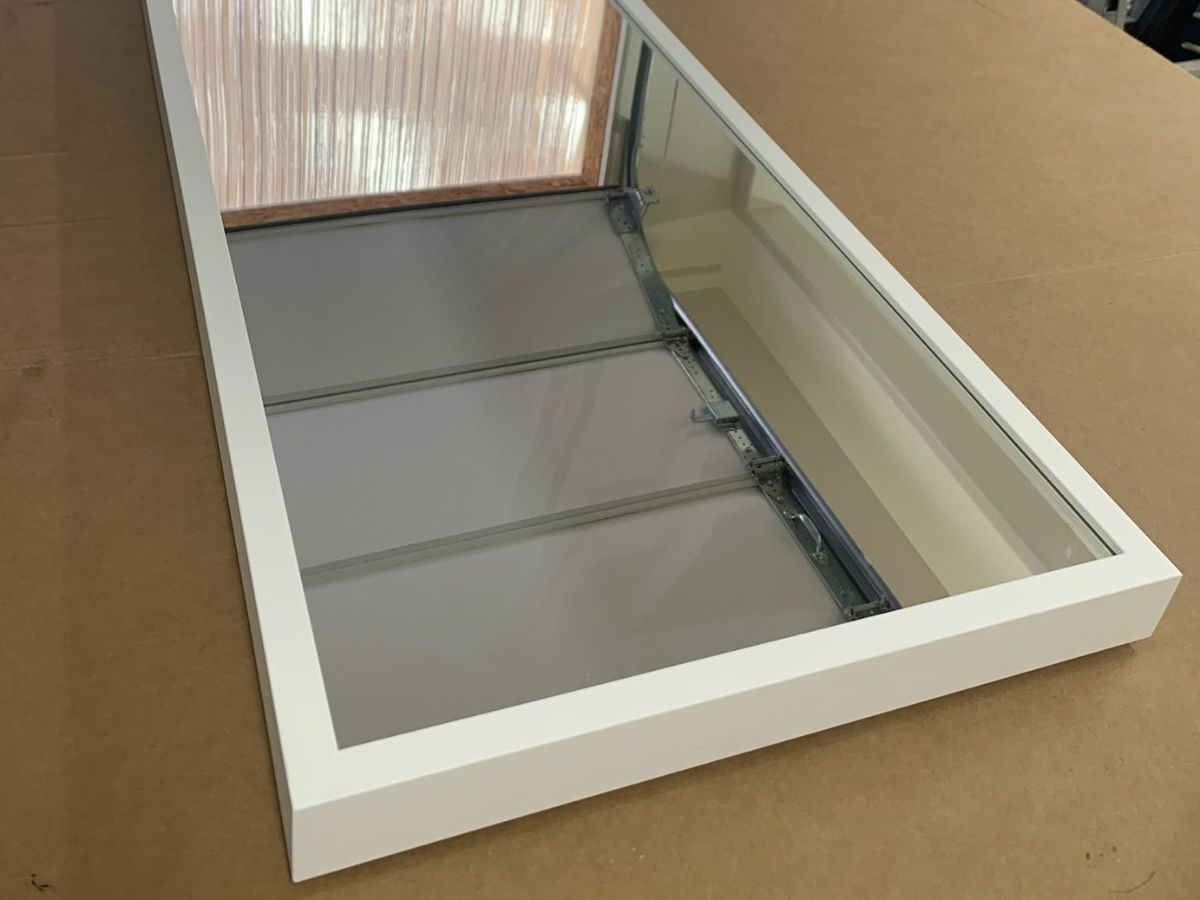
MAL-0384 White Framed Mirror
3. Square vs. Rectangular Shapes
Rectangular mirrors are the most common for a reason. Their vertical lines draw the eye upward and enhance ceiling height. They work beautifully in bedrooms, closets, and entryways.
Square floor mirrors, though less common, are excellent in modern or contemporary spaces. They feel bold and architectural. Designers often use them leaning against a wall in living rooms or studios where symmetry and balance matter.
The key is alignment. Square mirrors need enough breathing room to avoid feeling boxy or cramped.
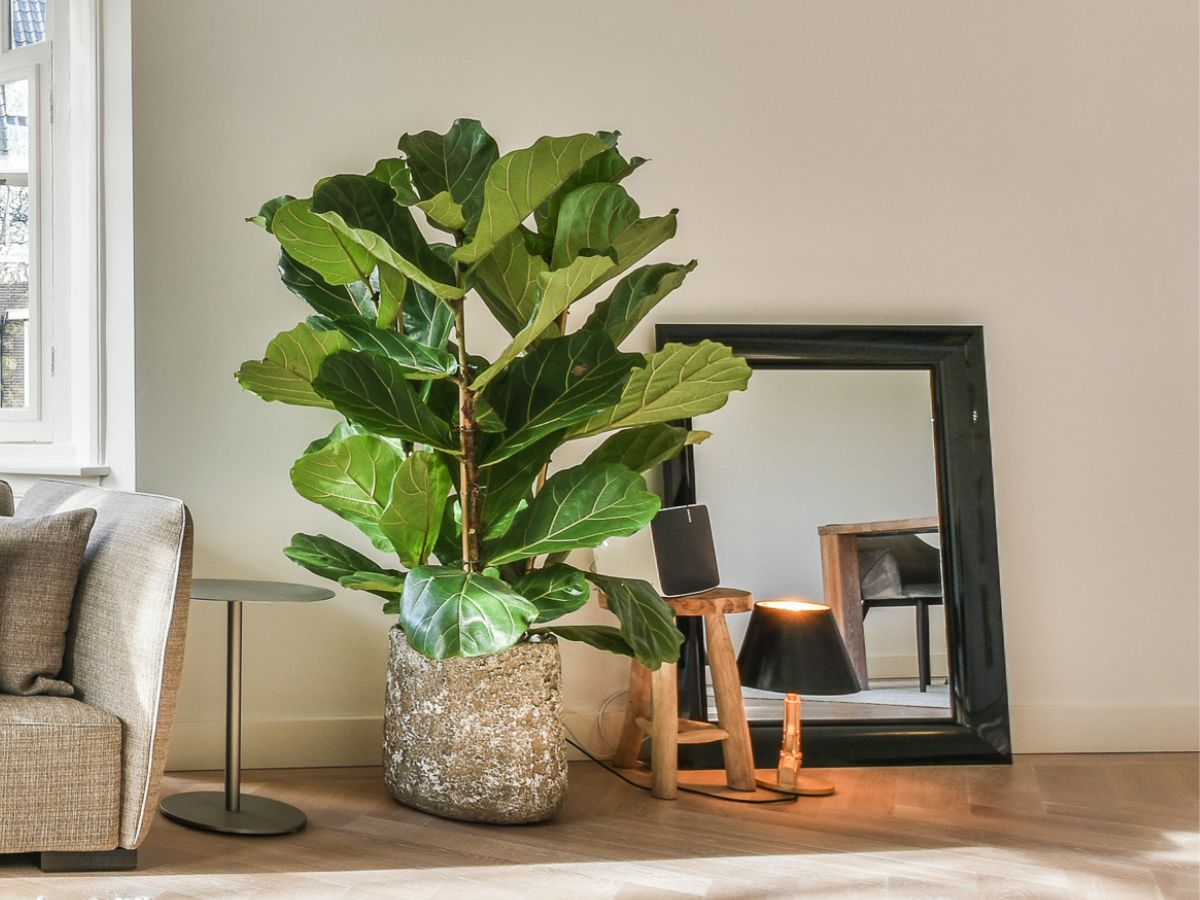
MAL-0914 Black Framed Mirror For Living Room
4. Choose the Right Frame
A framed floor mirror isn’t just about decoration. The frame defines the mirror’s presence in the room.
- Thin metal frames suit modern, industrial, or minimalist interiors.
- Wood frames add warmth and work well in transitional or organic designs.
- Wide or detailed frames can replace artwork and act as a statement piece.
For design professionals, framing is also a chance to tie finishes together. Matching a mirror frame to door hardware, lighting, or cabinetry creates cohesion without being obvious.
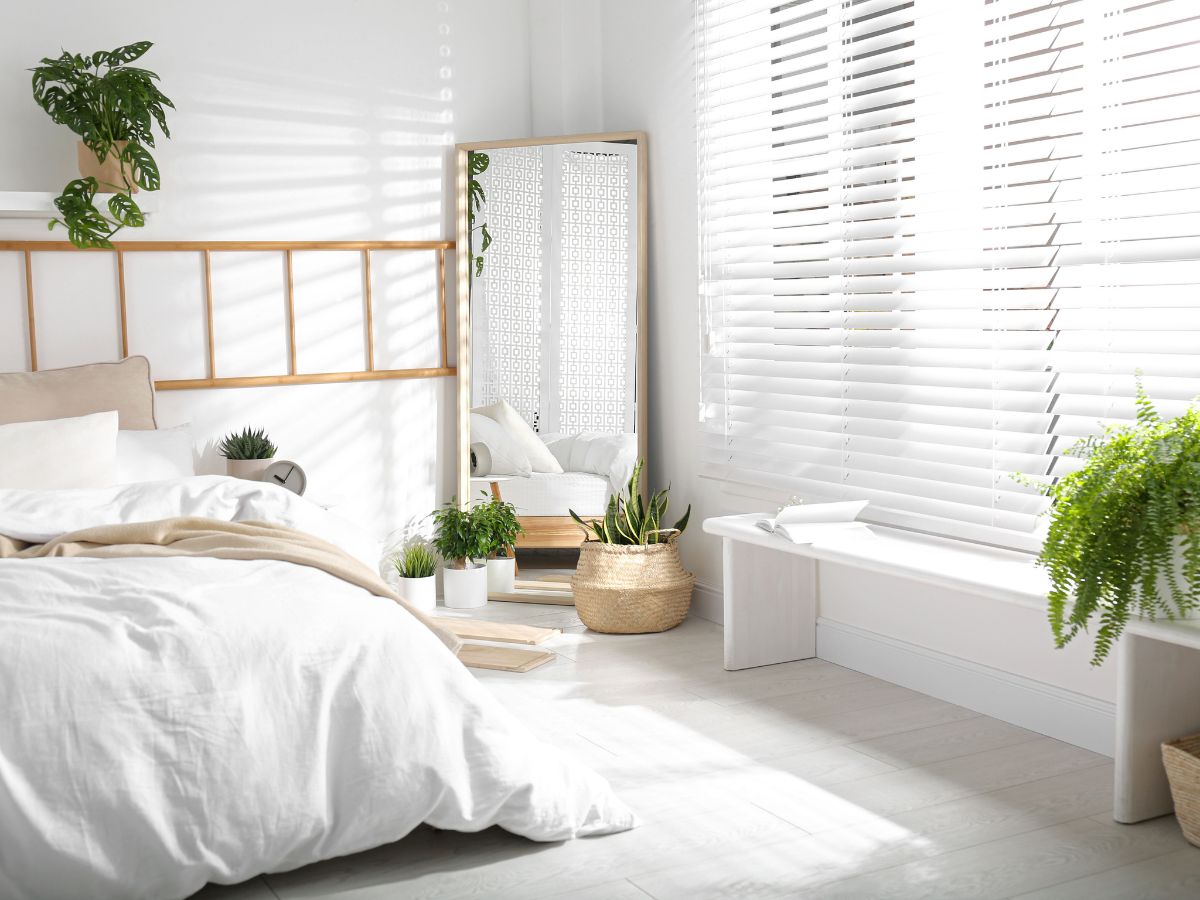
MAL-0393 Brown Framed Mirror For Bedroom
5. Placement Matters More Than You Think
Leaned mirrors feel relaxed and contemporary. Mounted mirrors feel polished and permanent. Both have their place.
Always consider what the mirror reflects. Natural light, artwork, or architectural details are ideal. Avoid reflecting clutter, open storage, or unfinished areas. A great mirror doubles the best part of the room.
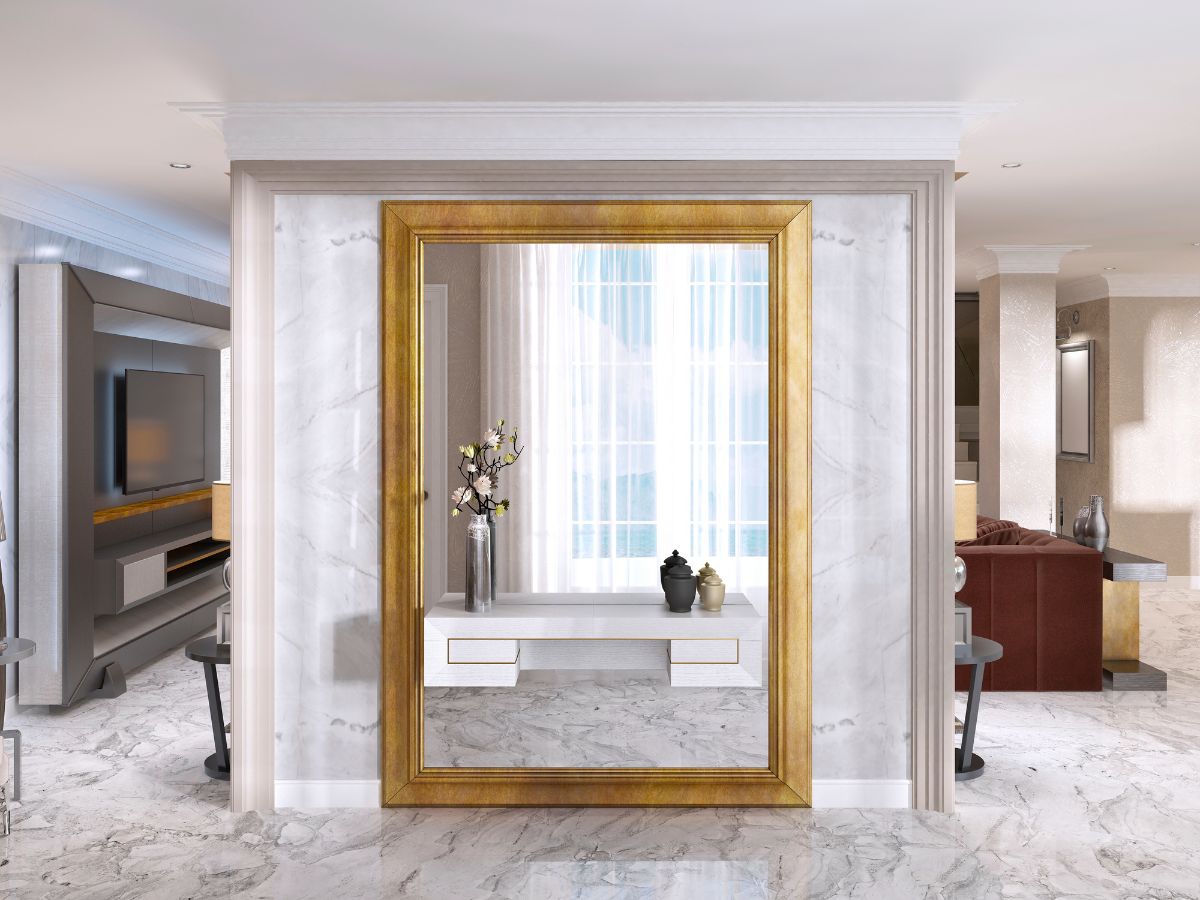
MAL-0388 Gold Framed Mirror for Living Room
A thoughtfully chosen floor mirror does more than reflect a space. It completes it. For interior designers, remodeling companies, and home design professionals, framed and custom-sized mirrors are practical tools that deliver both function and design impact when used with intention.