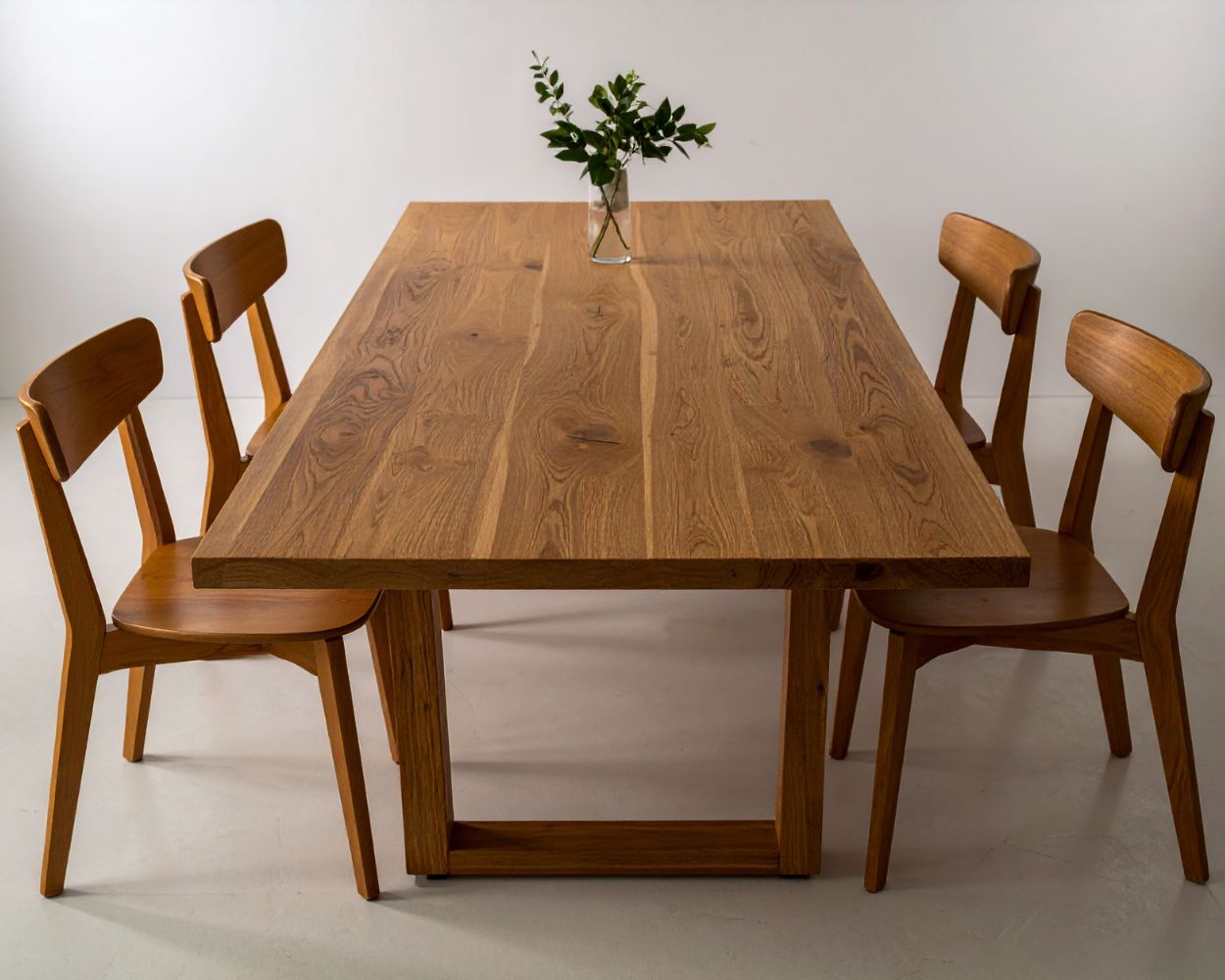
5 Tips When Purchasing Solid Wood Furniture
Investing in solid wood furniture isn’t just a purchase, it’s a long-term design and business decision. Whether you’re an interior designer specifying key pieces, a remodeling company furnishing a client’s home, or design personnel selecting materials for high-end builds, understanding how to choose quality solid wood furniture matters. In this guide, we break down practical tips and key considerations so you make choices that last, look refined, and enhance perceived value.
1. Understand Why Solid Wood Matters
Solid wood furniture stands out for its durability and timeless appeal. Unlike particleboard or MDF alternatives, solid wood is built to withstand decades of use. Solid wood pieces are not only strong; they can be repaired, refinished, and passed down through generations, making them a smart investment in both residential and commercial settings. Many experts point out that solid wood furniture ages gracefully, developing a rich patina that enhances its beauty over time.
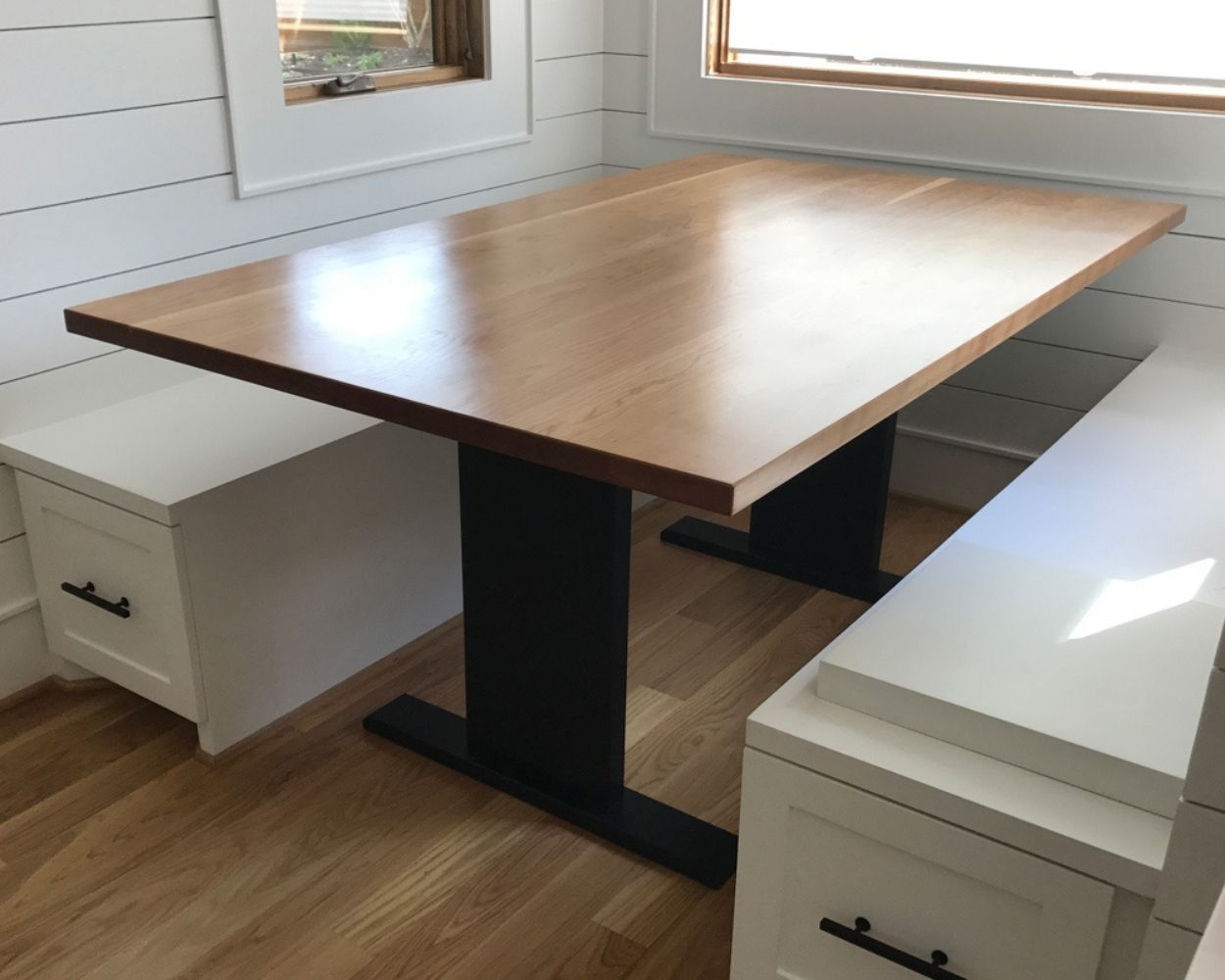
2. Prioritize Material Quality and Species
Different wood species offer varying levels of strength, grain pattern, and color. Hardwoods like oak, maple, walnut, and acacia are commonly preferred for high-traffic furniture because they resist dents, scratches, and warping. When evaluating pieces, ask for the type of wood used and whether it is solid through and through. Pieces marketed as “solid wood” may sometimes be veneer over cheaper cores, a detail that drastically impacts longevity and value.
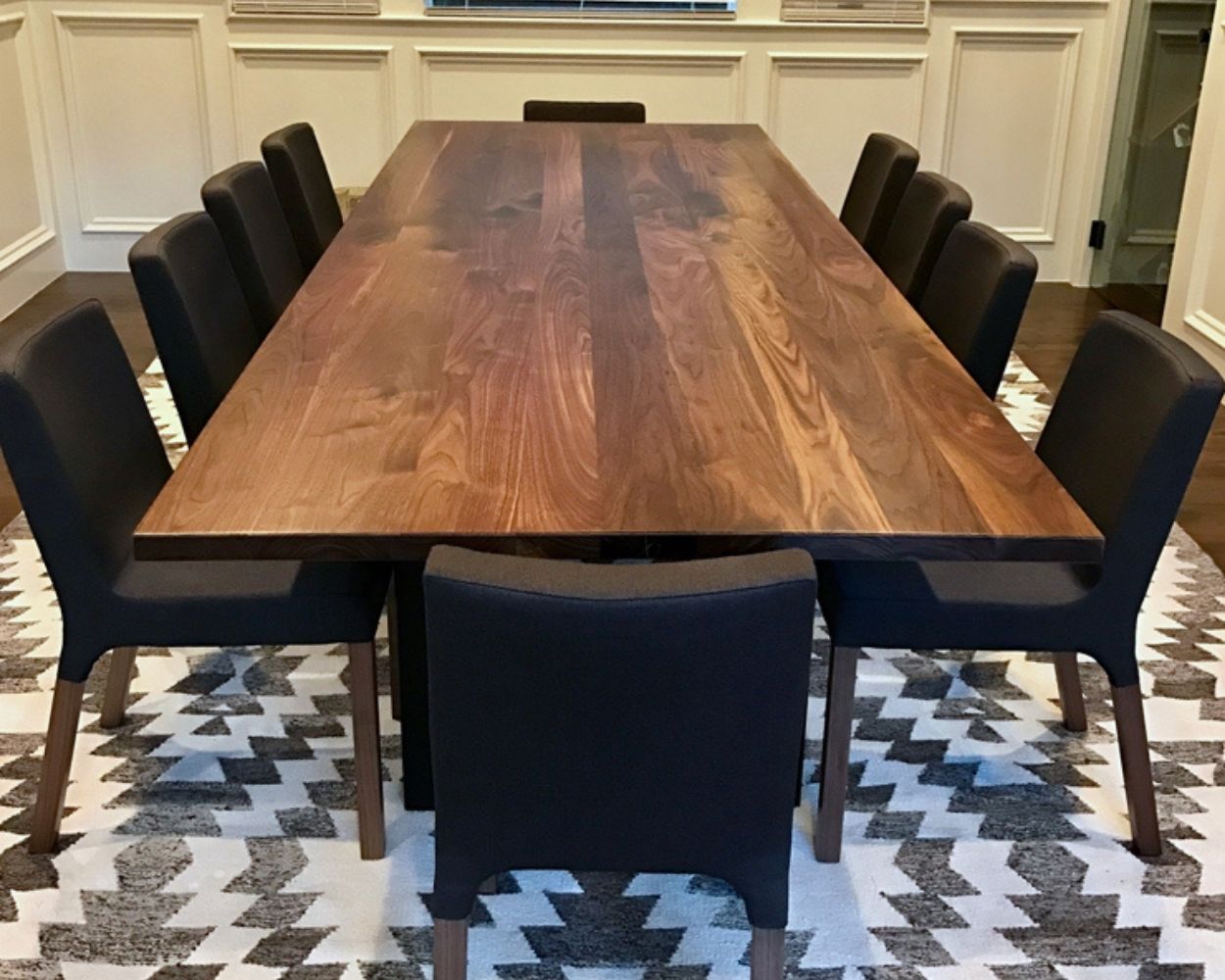
3. Examine Joinery and Construction
True craftsmanship shows up in the joinery. Look for traditional methods like dovetail joints, mortise-and-tenon, or tongue-and-groove connections. These are not just aesthetic details, they’re structural indicators of quality. High-quality joinery enhances stability and ensures the furniture won’t loosen or wobble over time. Pieces held together solely by staples, glue, or thin hardware often signal a lower-quality build.
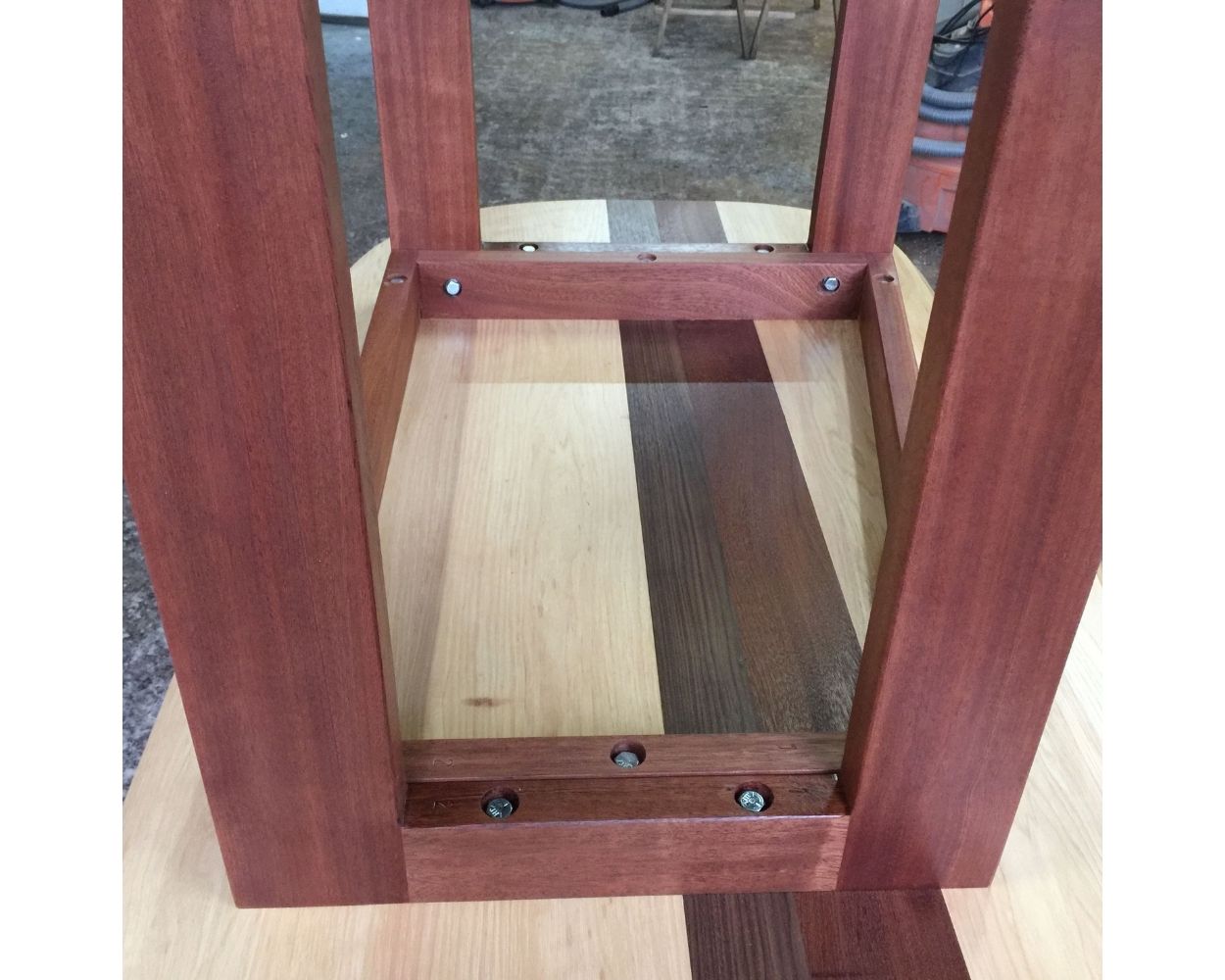
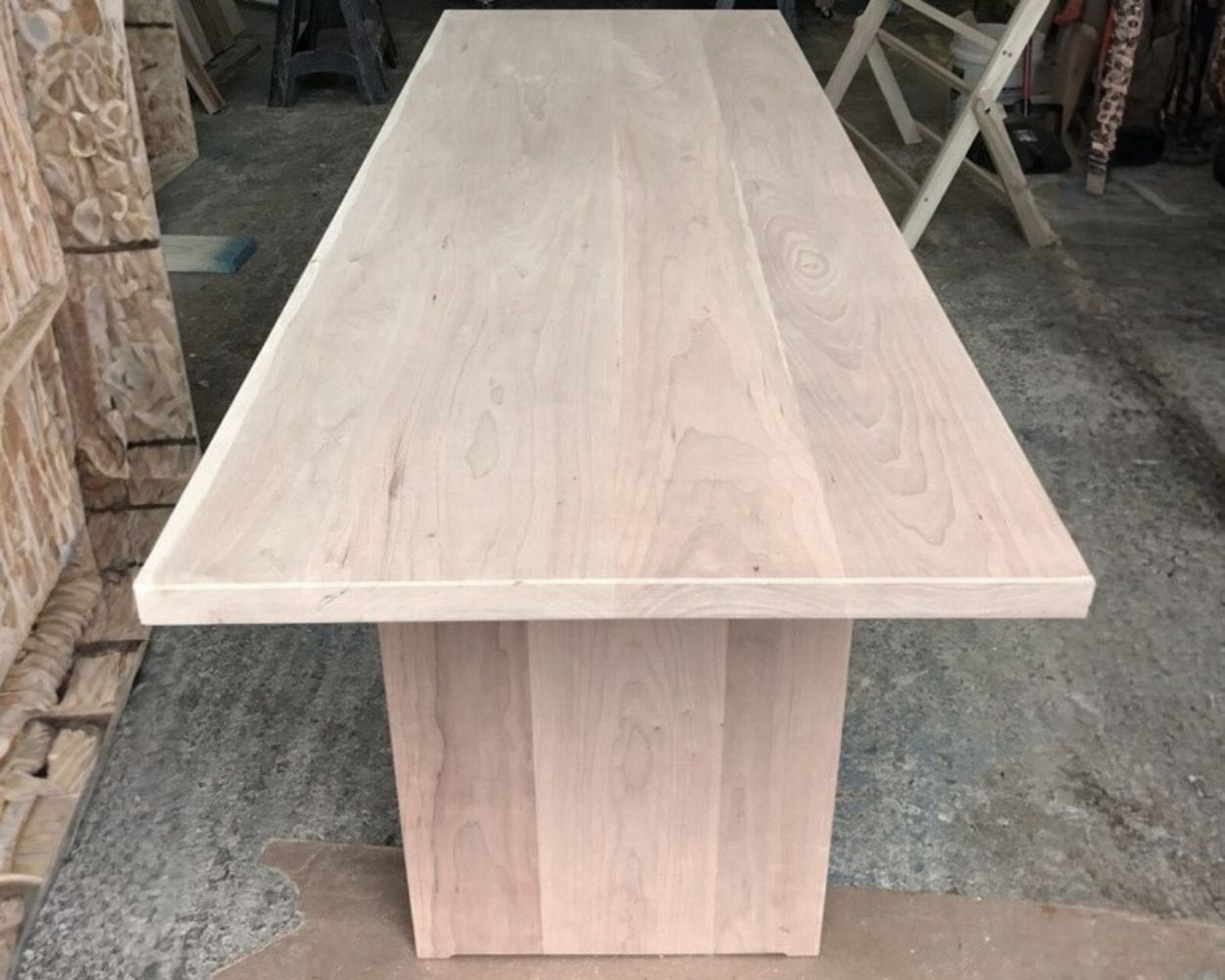
Underside of an alder-walnut table
4. Evaluate Finishes and Surface Treatment
The finish protects the wood and affects the piece’s aesthetic. A smooth, even, and well-applied finish highlights the wood grain and increases durability. Water-based or low-VOC finishes are ideal for indoor environments because they emit fewer harmful chemicals while still offering strong protection against moisture and wear. Understanding finish quality helps you choose furniture that looks refined and withstands everyday use.
5. Test for Stability and Longevity
When possible, physically interact with furniture before purchase. Solid wood pieces should feel substantial and balanced. A heavier piece often indicates denser, higher-quality wood. Test drawers, cabinet doors, and surfaces for function and stiffness. These small checks reveal a lot about long-term performance.
Choosing the right solid wood furniture requires attention to material, construction, finish, and sustainability. By focusing on these key areas, interior designers, remodelers, and home design professionals can create spaces that are not only beautiful but also durable, timeless, and valuable.