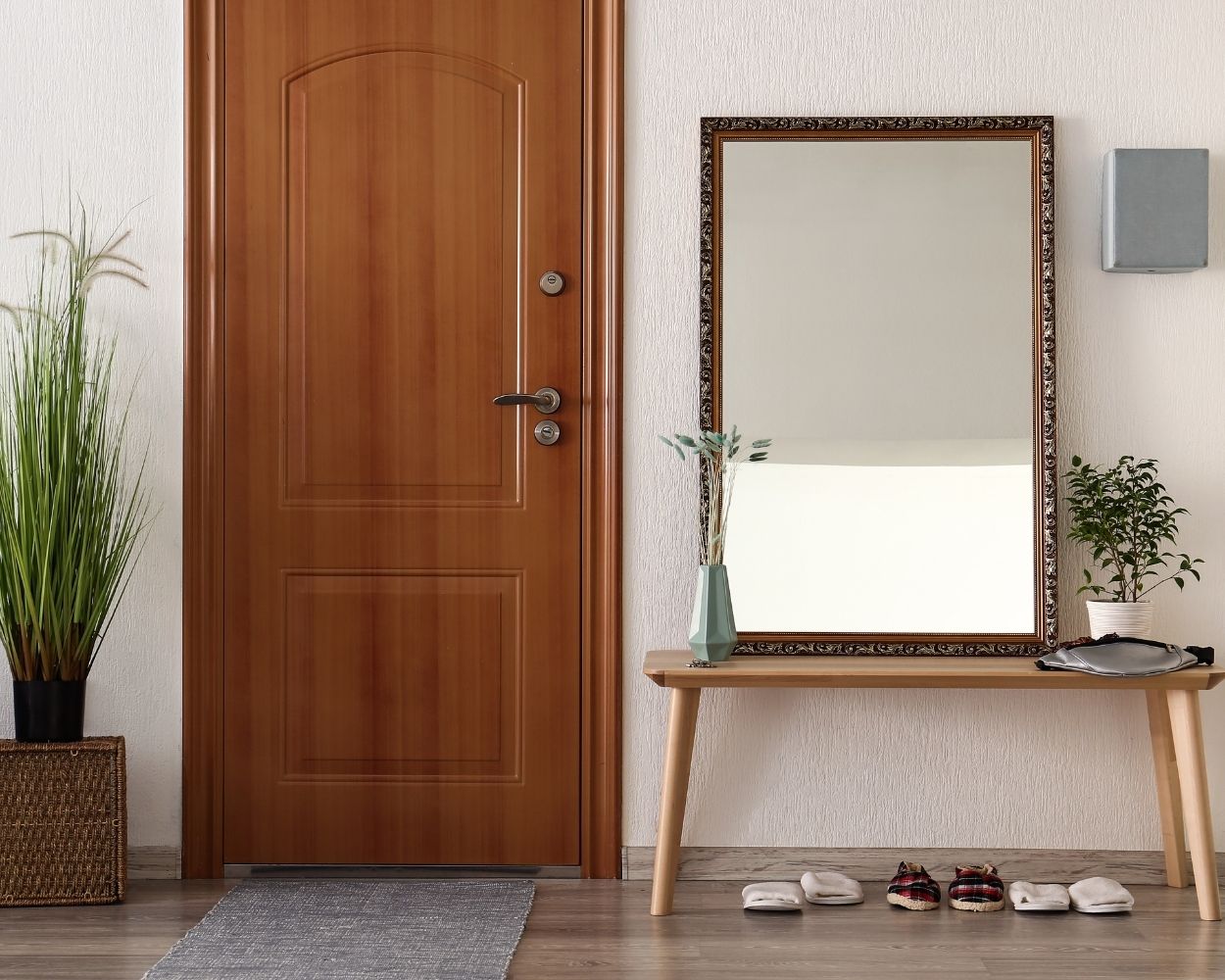
How to Tell If a Mirror Is Good Quality
A mirror may look simple, but quality varies more than most people expect. For interior designers, contractors, and home design professionals, choosing the right mirror affects not just appearance, but also longevity and performance.
So how do you know if a mirror is actually good quality?
Start with reflection clarity.
A high-quality mirror should produce a clean, undistorted reflection. Stand in front of it and move slightly from side to side. If the image bends, warps, or feels uneven, the glass is not perfectly flat.
This issue is more common in lower-cost mirrors, where thinner glass or poor manufacturing can lead to distortion. In professional settings, even slight imperfections become noticeable over time.
Next, check the glass composition.
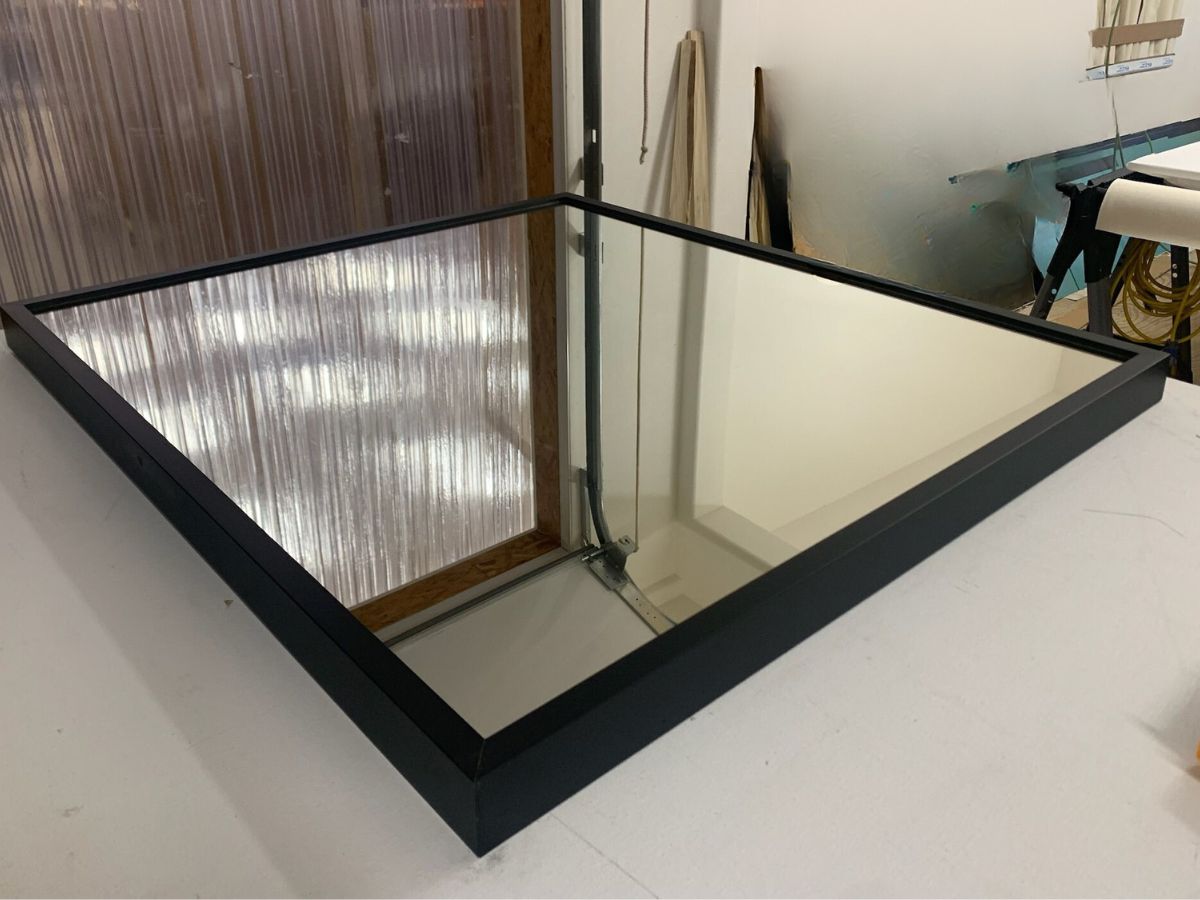
Standard mirrors often have a slight green tint due to iron content in the glass. Higher-quality mirrors, especially those made with low-iron glass, provide a clearer and more neutral reflection. This matters in spaces like bathrooms, dressing areas, and retail environments where accurate color representation is important.
Industry sources note that low-iron glass significantly improves clarity and color accuracy compared to standard mirror glass.
Look at the backing.
The backing is what protects the reflective coating. A well-made mirror typically has multiple layers of protective coating to prevent corrosion, especially in humid environments. In bathrooms, poor backing often leads to black spots or edge deterioration over time. This is one of the clearest signs of a low-quality mirror.

Edge quality is another detail to examine.
Clean, smooth edges indicate better manufacturing. Rough or uneven edges suggest lower production standards and increase the risk of damage during installation or use. Framed mirrors can help protect these edges, which is why they are often preferred in residential and commercial projects.
Consider weight and thickness.
Heavier mirrors with thicker glass are generally more durable and less prone to distortion. While weight alone is not a guarantee of quality, it is often a useful indicator when comparing options.
Now think about fit and proportion.
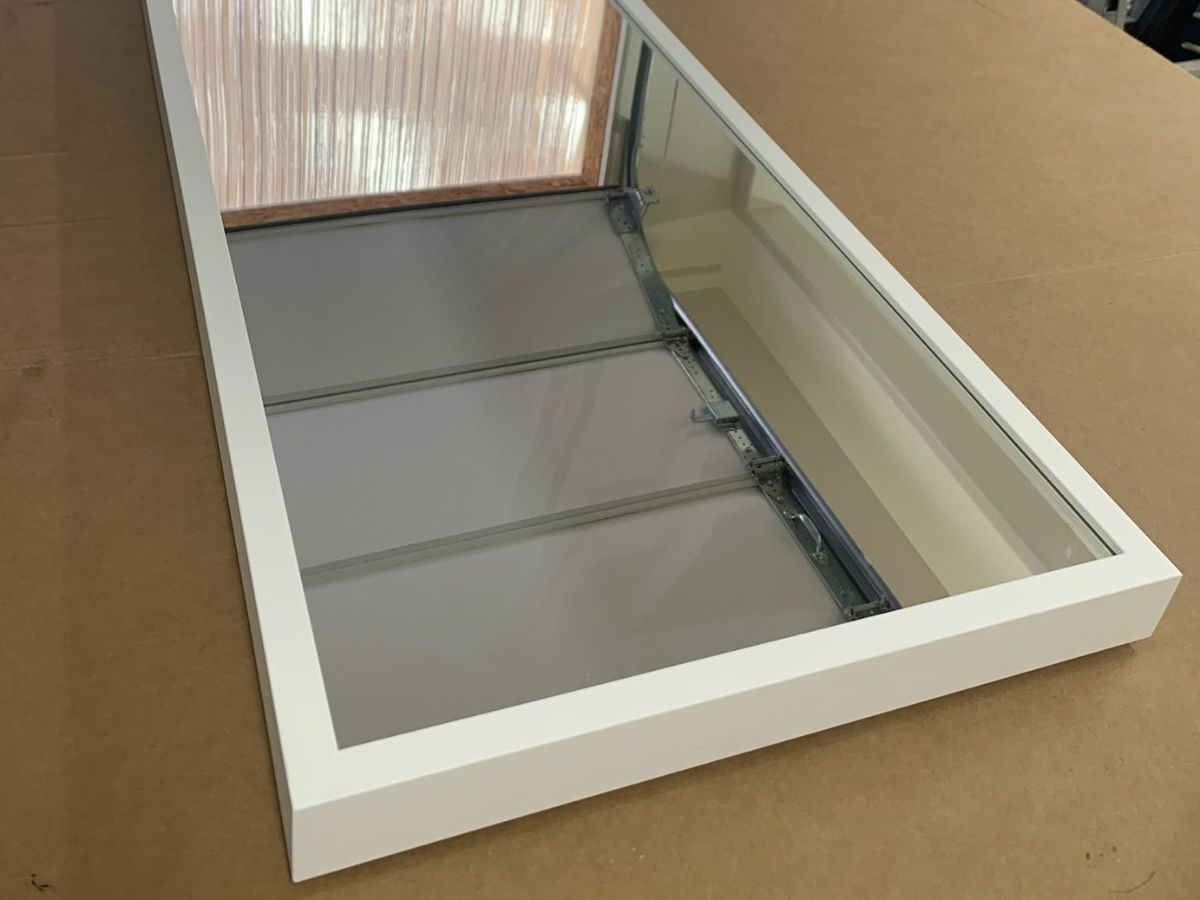
Custom-sized mirrors tend to perform better in designed spaces. They fit properly, align with surrounding elements, and reduce the need for compromises in layout. A well-sized mirror not only looks better but also signals a higher level of attention to detail.
Finally, assess overall construction.
A quality mirror should feel solid, with no visible defects, consistent reflection, and durable materials. It should also be appropriate for the environment where it will be installed, especially in high-moisture areas.
A good mirror is defined by clarity, durability, and proper construction. While many mirrors may look similar at first glance, the differences become clear over time.