Best Mirror Placement for Good Energy and Better Interior Design
The idea of a “lucky” mirror placement often comes from design principles tied to balance, flow, and how a space feels to live in. Whether you follow feng shui or simply want a well-designed interior, the core idea is the same: mirrors should enhance a space.
For designers, builders, and homeowners, the goal is intentional placement that improves light, proportion, and overall experience.
Let’’ look at where mirrors tend to work best.
1. Start with the entryway
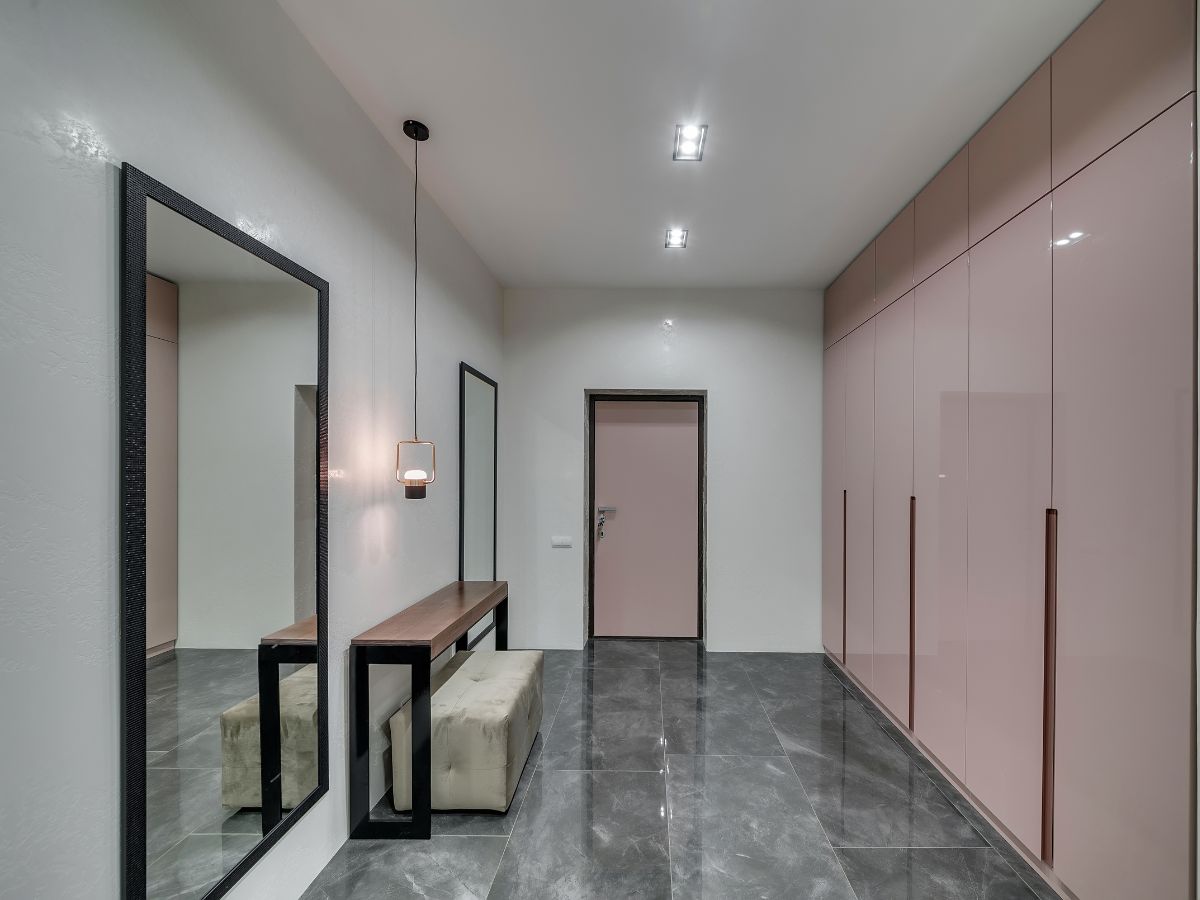
This is one of the most effective and widely recommended locations. A mirror near the entrance can reflect light into the home and make the space feel more open. It also adds a functional element for quick checks before leaving.
From a design standpoint, a framed, custom-sized rectangular mirror works well here. It creates structure and helps define what is often a transitional space. However, avoid placing a mirror directly facing the front door. In traditional design principles, this is believed to push energy back out. From a practical standpoint, it can also feel visually abrupt when entering a home.

2. Consider living areas
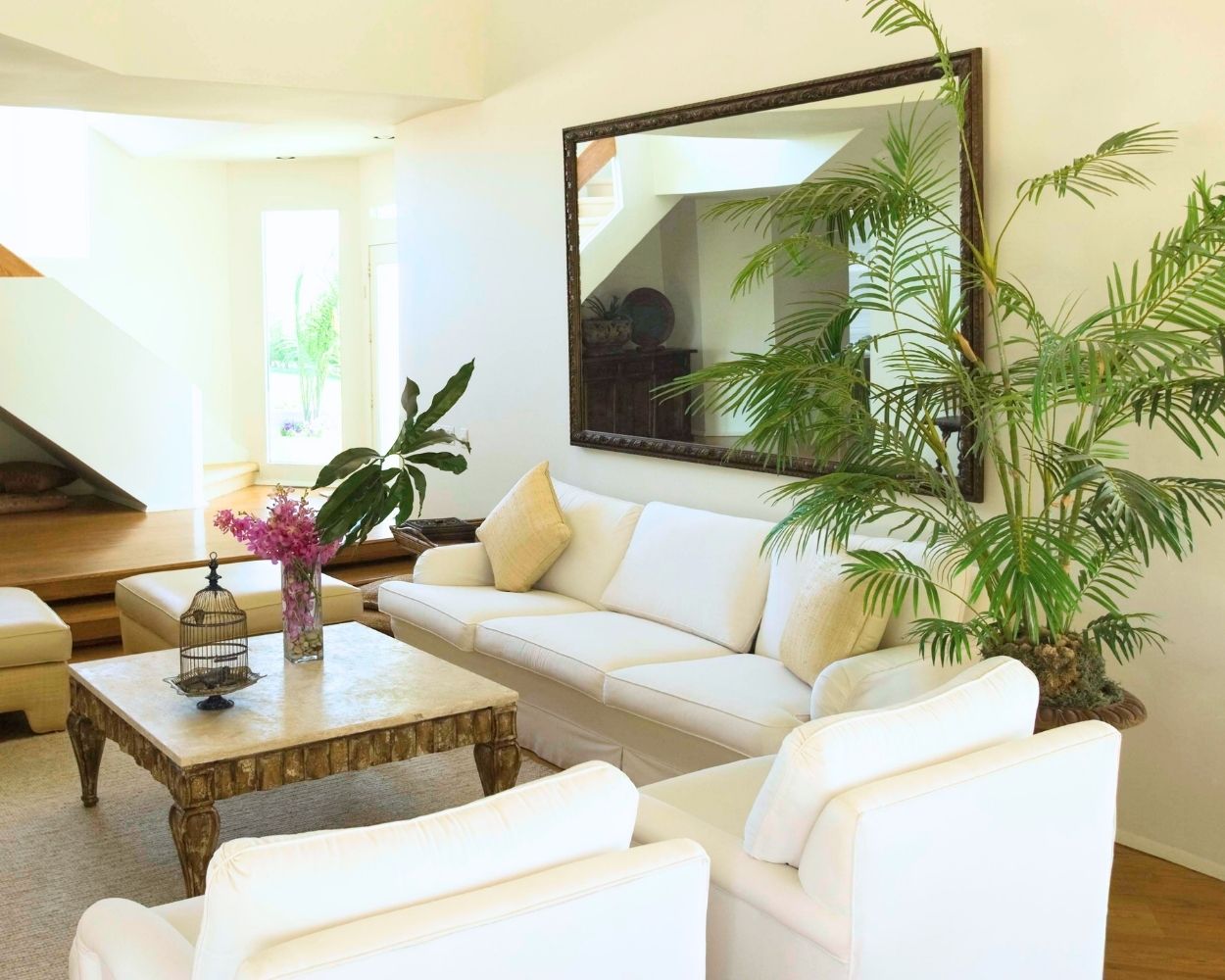
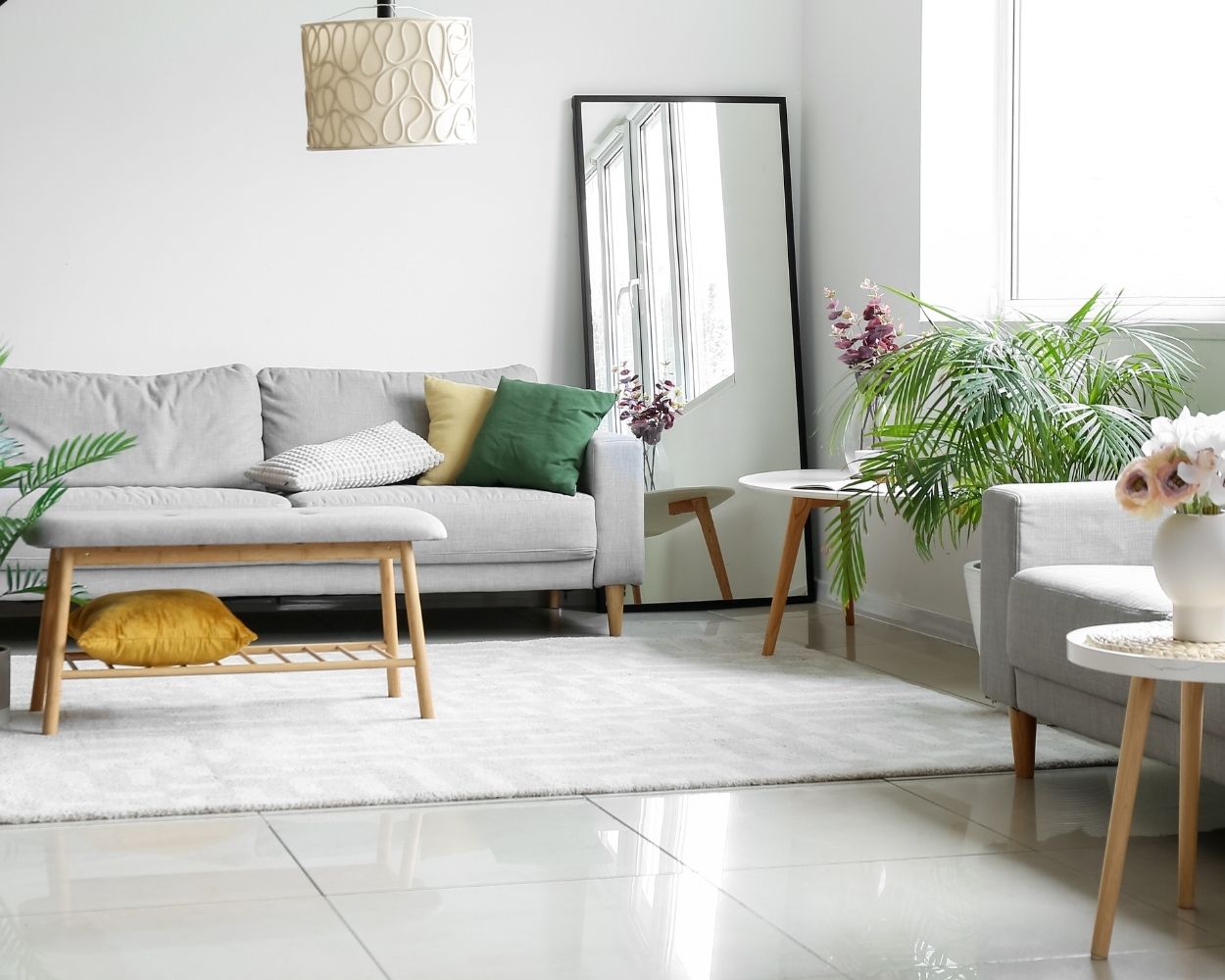
Mirrors in living rooms should reflect something worth seeing. This could be a window, natural light, or a well-designed focal point like artwork or furniture. When placed correctly, mirrors can increase perceived brightness and make the room feel larger. Reflective surfaces help distribute light more effectively, improving overall visual comfort.
Large, framed square or rectangular mirrors are especially effective here because they maintain clean lines and integrate easily with most layouts.
3. Dining rooms are another strong option
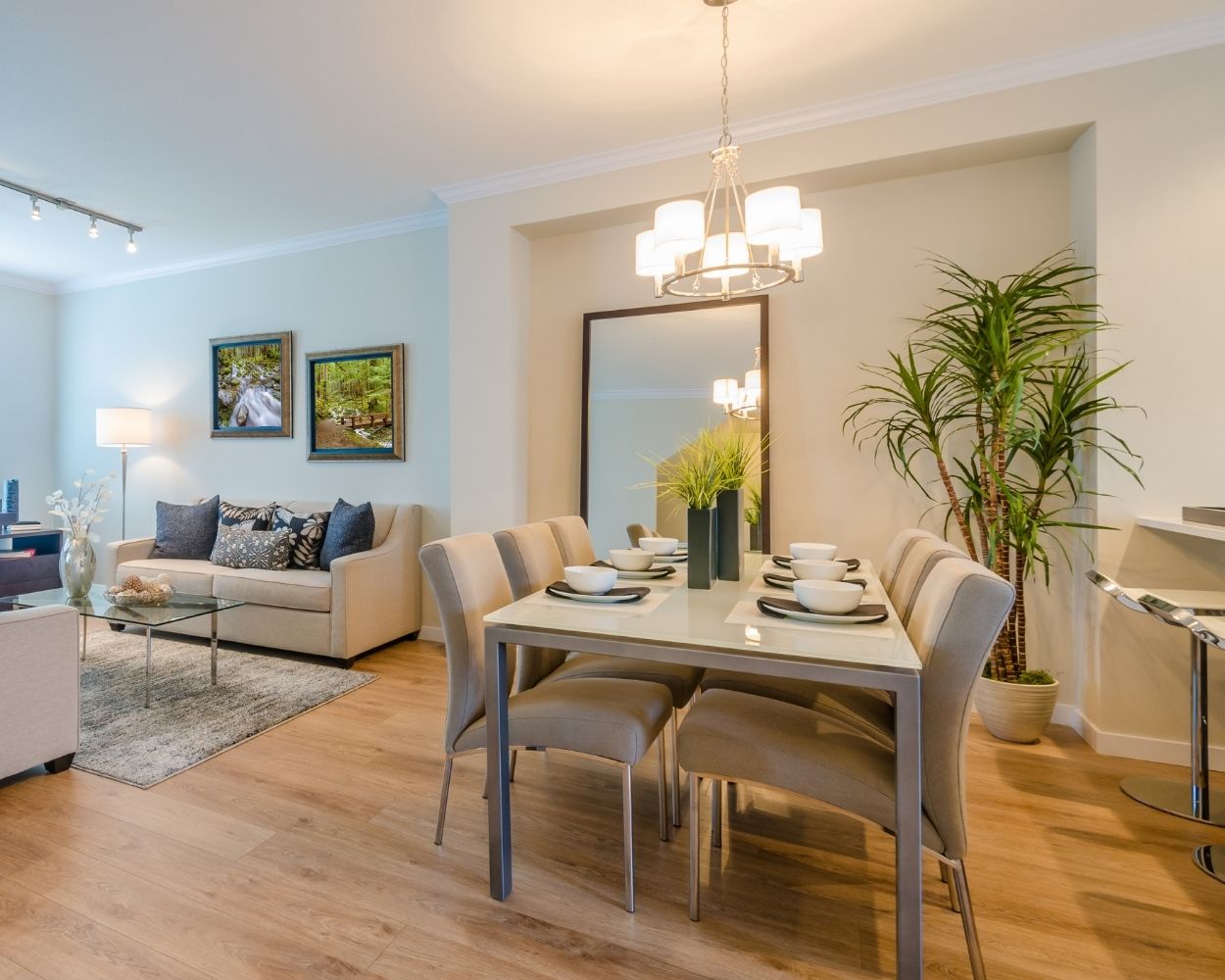
A mirror placed on a dining room wall can reflect both light and activity, making the space feel more dynamic and connected. In many design traditions, this is associated with abundance because it visually “doubles” the setting. From a professional perspective, it also enhances depth and creates a more engaging environment.
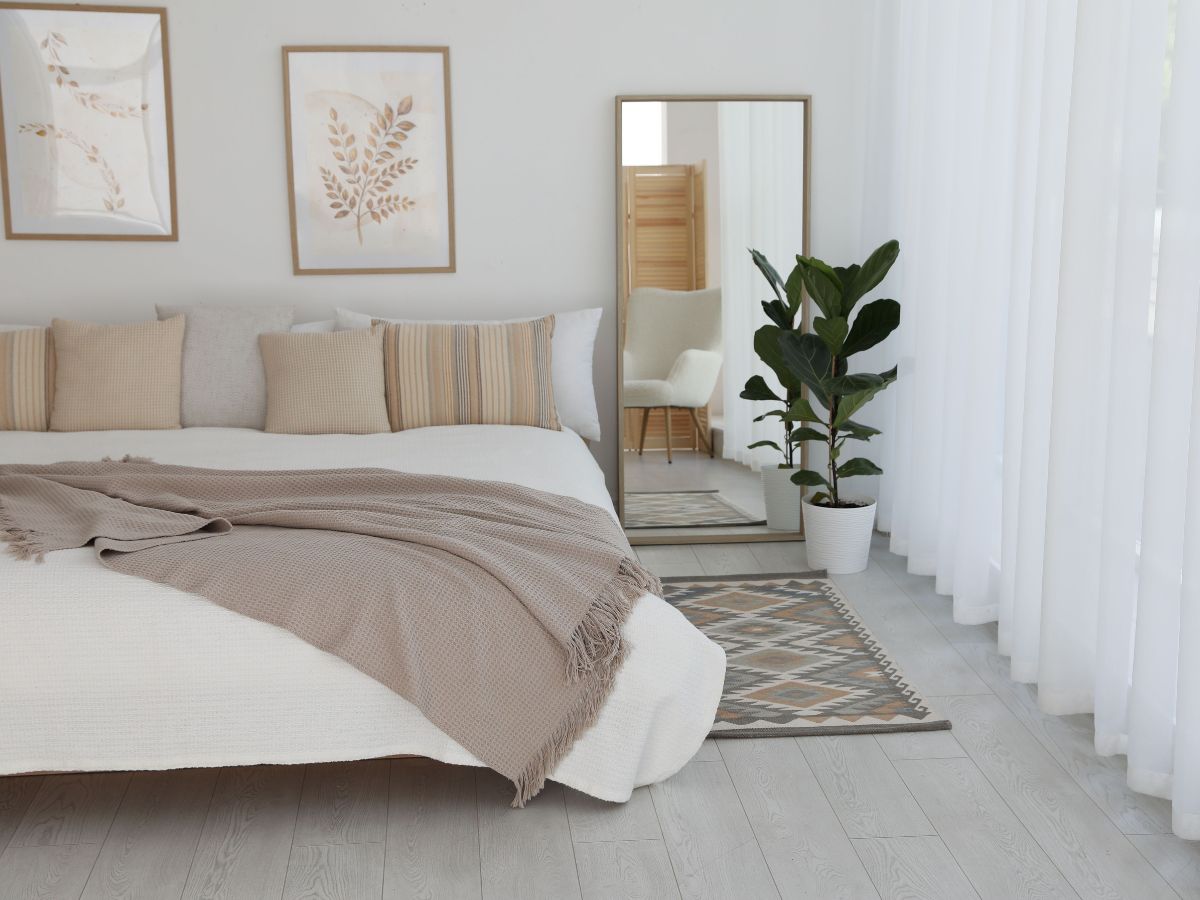
4. Bedrooms require more careful placement
Avoid positioning mirrors directly facing the bed. This can feel distracting and disrupt the sense of calm that a bedroom should provide.
Instead, place mirrors along side walls or near wardrobes. Custom-sized mirrors that align with furniture help maintain balance and avoid visual clutter.
5. Use mirrors to improve tight or dark spaces
Hallways, corners, and smaller rooms benefit the most from mirrors. These areas often lack natural light and depth. A well-placed mirror can correct both. The key is to reflect light and open space, not clutter or poorly designed areas.
The “luckiest” place for a mirror is about function, balance, and what the mirror reflects. Mirrors should enhance light, support the layout, and contribute to a calm, cohesive space. Framed, custom-sized mirrors are often the most reliable choice because they offer flexibility and a more intentional design.