What to Consider When Buying a Mirror
A mirror is one of the most versatile design elements in any interior. It serves a practical purpose while enhancing light, creating the illusion of space, and adding character to a room. Whether you’re furnishing a new home, renovating an existing space, or completing a commercial project, choosing the right mirror requires more thought than simply selecting one that looks attractive.
1. Determine the Mirror’s Purpose
Start by asking what the mirror is meant to accomplish.
Will it be a functional bathroom mirror, a statement piece in an entryway, or a decorative accent in a living room? Understanding its purpose helps determine the ideal size, shape, and placement.
For example, a bathroom mirror should provide clear visibility while complementing the vanity, whereas a dining room mirror may be used primarily to reflect light and create visual depth.
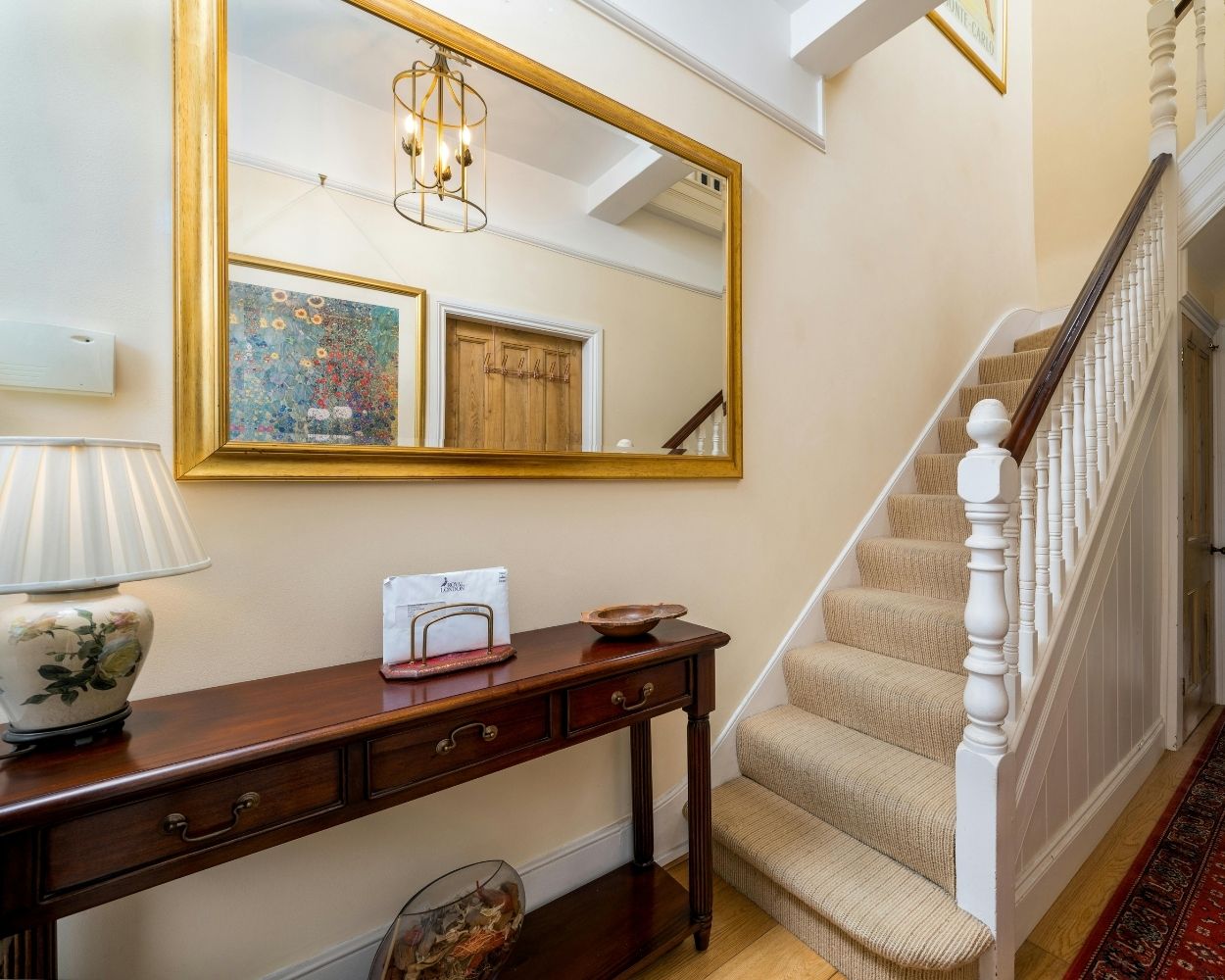
MAL-0388 Gold Framed Mirror for Entryway
2. Choose the Right Size
Size is one of the most important considerations.
A mirror that is too small can feel out of place, while one that is too large may overwhelm the room. As a general guideline, mirrors placed above furniture such as vanities, dressers, or consoles should be slightly narrower than the piece below them to maintain visual balance.
Custom-sized mirrors offer the flexibility to achieve perfect proportions. Instead of adjusting your design to fit a standard mirror, you can select dimensions that fit your wall and furniture precisely.
3. Select a Shape That Fits the Design
The shape of a mirror influences the overall look of a space.
Square mirrors create a balanced, symmetrical appearance that works beautifully in contemporary bathrooms, entryways, and bedrooms.
Rectangular mirrors remain one of the most popular choices because of their versatility. Installed vertically, they make ceilings appear taller. Hung horizontally, they help a room feel wider and are ideal for double vanities or large feature walls.
These classic shapes work seamlessly with nearly every interior design style.
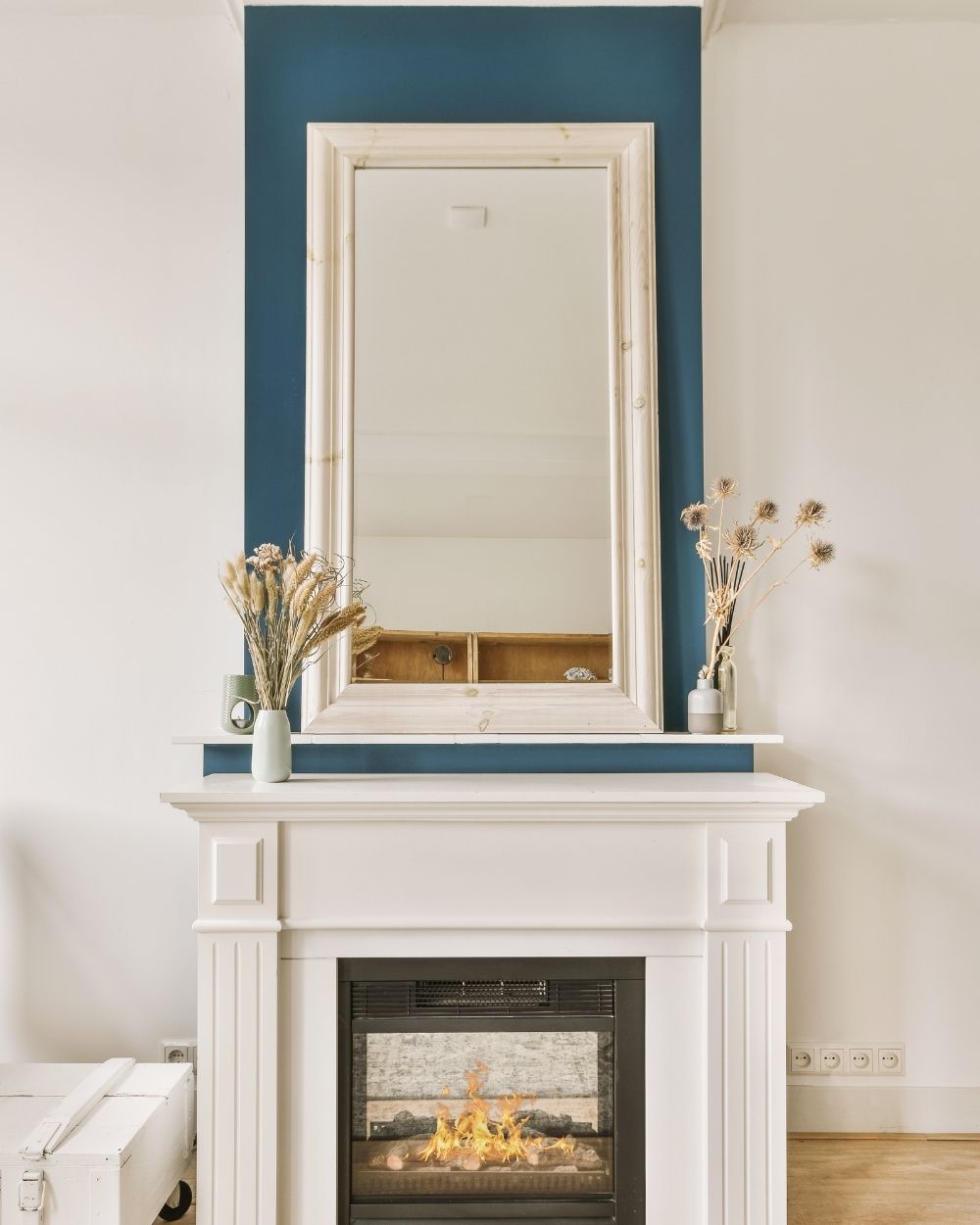
MAL-0911 White Framed Mirror For Living Room
4. Pay Attention to the Frame
A framed mirror adds personality and architectural detail while completing the overall design.
Slim black frames complement modern and industrial interiors, while natural wood introduces warmth and texture. Decorative frames can enhance traditional or transitional spaces by adding elegance and visual interest.
For the best results, coordinate the frame finish with lighting fixtures, cabinet hardware, faucets, or furniture accents. This creates a cohesive look that feels intentional and professionally designed.
5. Consider Placement and Lighting
Where you place a mirror is just as important as the mirror itself.
Positioning a mirror across from or beside a window reflects natural light throughout the room, making it feel brighter and more spacious. In bathrooms, proper placement above the vanity ensures both functionality and visual balance.
Thoughtful mirror placement can dramatically improve the perception of space without requiring structural changes.
6. Invest in Custom-Sized Mirrors
No two projects are exactly alike, which is why custom-sized mirrors have become increasingly popular among designers and remodeling professionals.
Custom-sized framed mirrors are manufactured to fit specific wall dimensions, oversized vanities, unique layouts, and commercial applications. They provide a tailored appearance that standard mirrors often cannot achieve.
This level of customization enhances the finished project while reducing awkward gaps and improving overall design continuity.
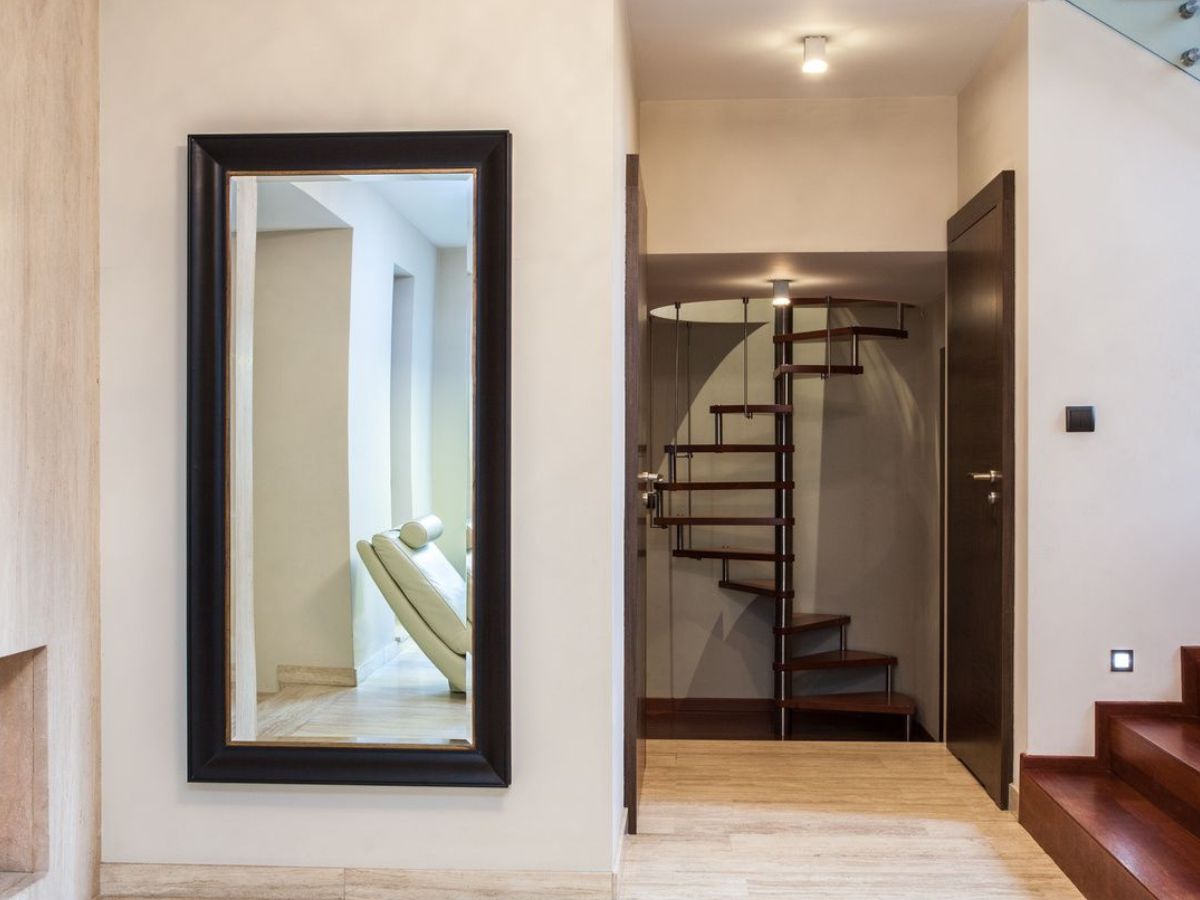
MAL-0295 Black Framed Mirror For Office Hallway
7. Think About Long-Term Quality
A mirror is an investment that should perform well for years to come.
Choose high-quality glass for a clear, distortion-free reflection and a durable frame that can withstand moisture and daily use, especially in bathrooms. Well-crafted mirrors not only maintain their appearance but also contribute to the perceived quality and value of the space.
Buying a mirror is about more than selecting a decorative accessory. The right mirror enhances light, improves functionality, and brings harmony to the overall design.
By considering purpose, size, shape, frame style, placement, and quality, you can confidently choose a framed, custom-sized square or rectangular mirror that complements any residential or commercial project.