A Guide to Buying the Perfect Decorative Mirrors
Decorative mirrors do more than reflect a space. They shape light, influence proportion, and often act as a focal point. For interior designers, builders, and remodeling professionals, choosing the right mirror is a strategic decision that affects the entire design.
Here is a practical guide to help you select mirrors that deliver both function and visual impact.
1. Start with the purpose
Every mirror should have a clear role. Is it meant to make a room feel larger? Improve lighting? Or serve as a statement piece?
For example, in smaller bathrooms or hallways, mirrors are often used to expand the sense of space. In living rooms or entryways, they tend to be more decorative, adding depth and interest.
When the purpose is clear, the rest of the decisions become easier.
2. Get the size and proportion right
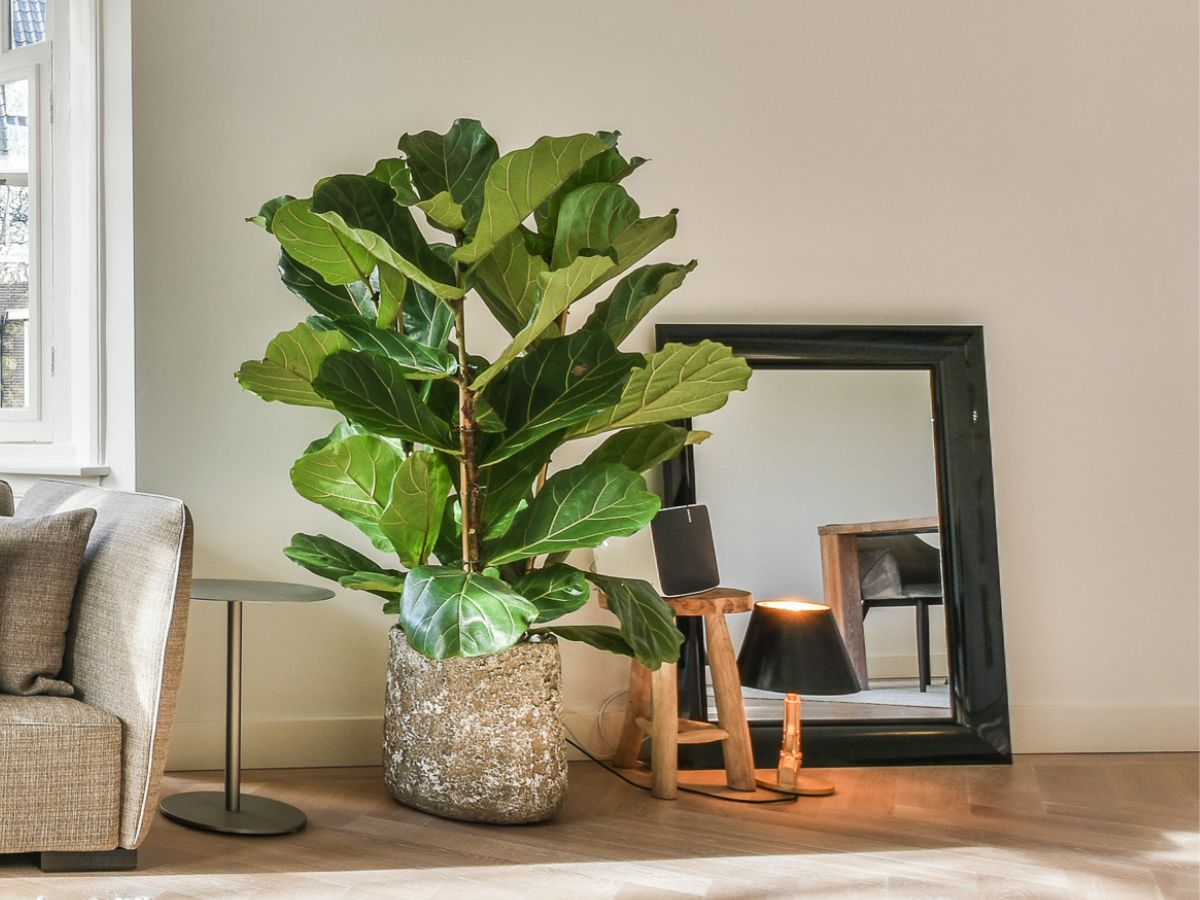
Size is one of the most common mistakes in mirror selection. A mirror that is too small can feel disconnected, while one that is too large can overpower the room.
As a general rule, decorative mirrors should relate to the furniture or wall they are paired with. For vanities, a mirror should align with the width of the sink or slightly smaller. For larger walls, consider oversized mirrors to create presence and balance.
This is where custom-sized mirrors become especially useful. They allow you to match exact dimensions, avoid awkward gaps, and maintain clean lines throughout the design.
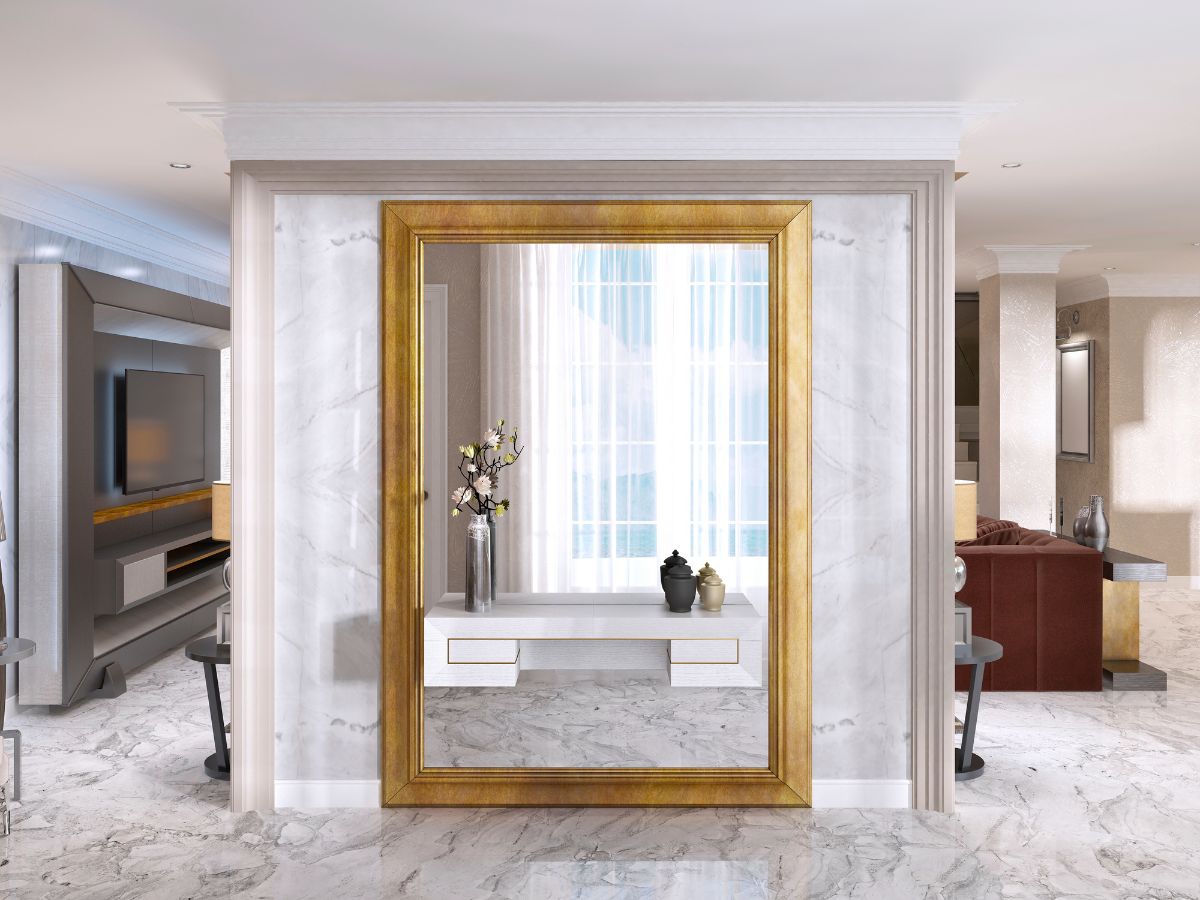
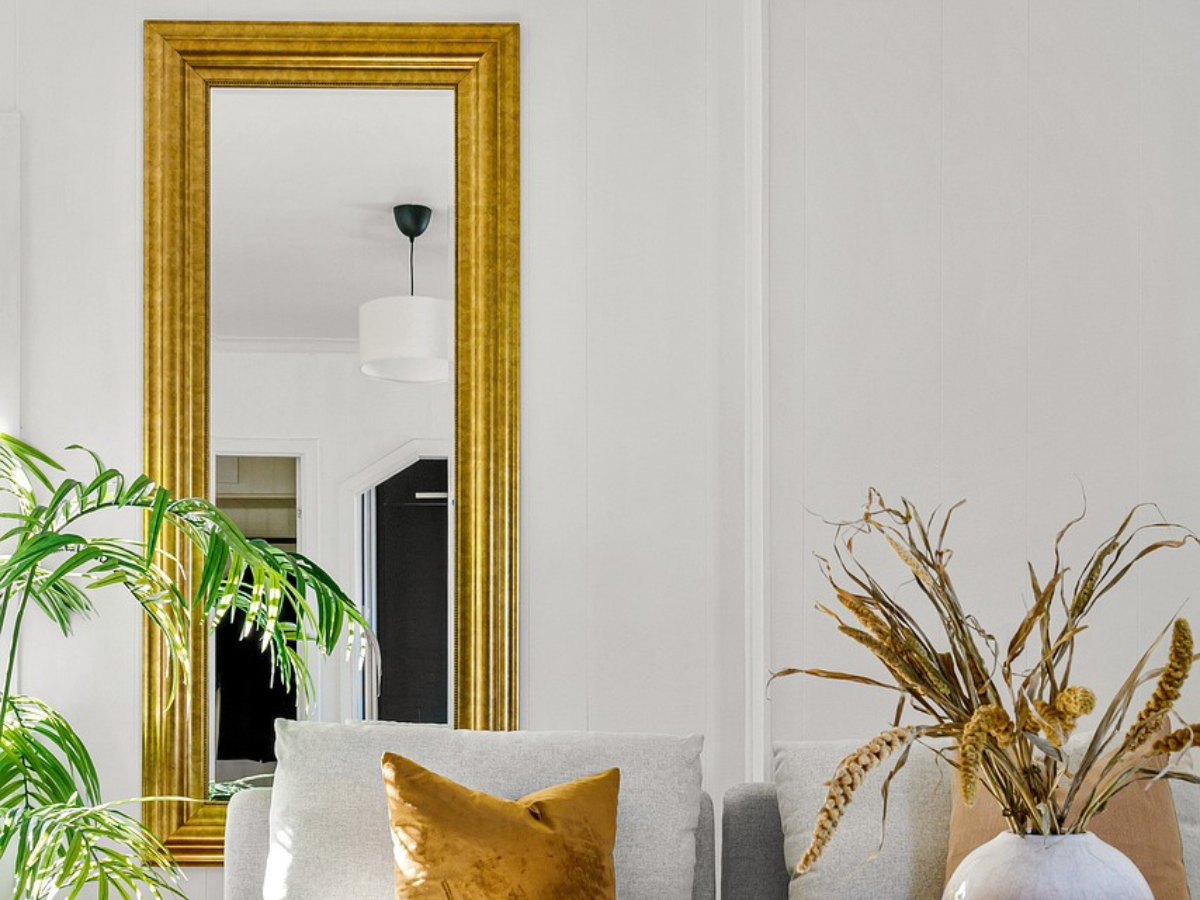
MAL-0388 Gold Framed Mirror for Living Room
3. Choose the right shape
Square and rectangular mirrors remain the most versatile options. They work well in both modern and traditional spaces and provide a structured, balanced look.
Rectangular mirrors are ideal for vertical or horizontal placement, depending on ceiling height and wall layout. Square mirrors, on the other hand, offer symmetry and are often used in pairs for a more architectural feel.
Custom sizing in these shapes gives you flexibility while keeping the design clean and intentional.
MAL-0358 Gold Framed Mirror for Living Room
4. Consider the frame as part of the design
A framed mirror is not just a reflective surface. It is a design element. Frames add contrast, texture, and definition. A black frame can create a modern edge, while wood tones bring warmth and softness. In many cases, a framed mirror can replace the need for additional wall décor because it already anchors the space.
Framed mirrors also help protect the edges, making them a practical choice for high-use areas like bathrooms and entryways.
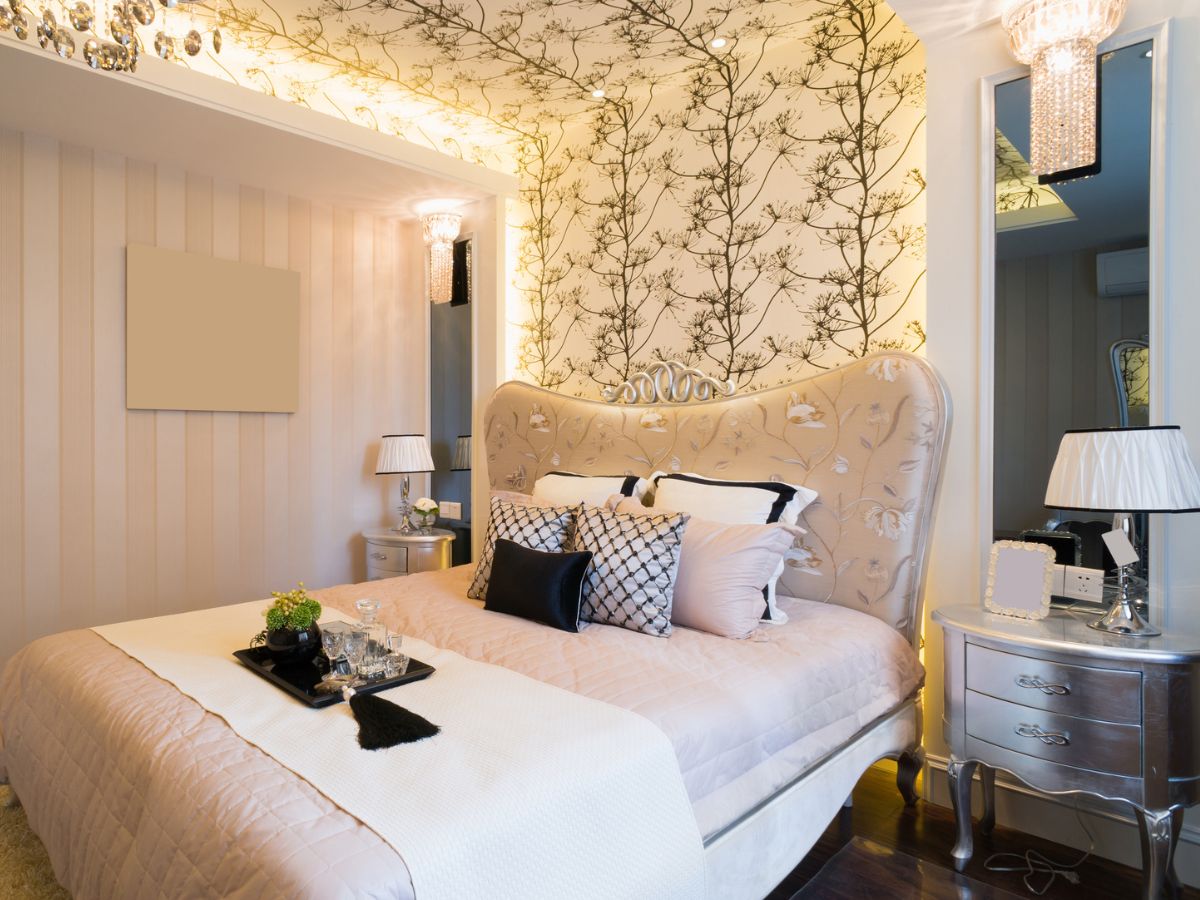
MAL-1296 White Framed Mirror For Bedroom
5. Think about light and placement
Mirrors interact directly with light, so placement matters. Positioning a mirror across from a window can increase natural light, while placing it near lighting fixtures can improve brightness and reduce shadows.
In bathrooms, combining mirrors with proper lighting, such as side-mounted fixtures, creates better visibility and a more balanced look.
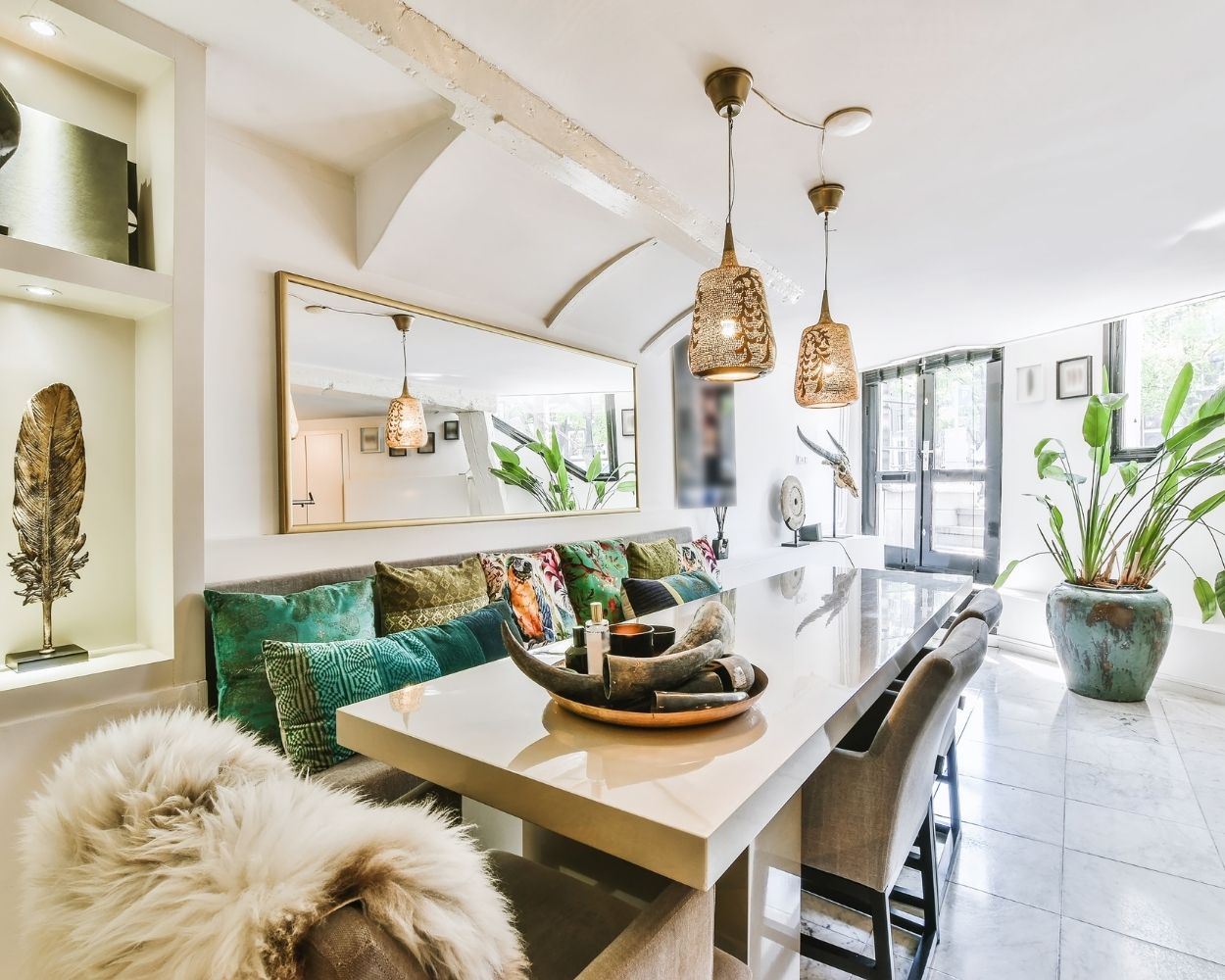
MAL-0979 Gold Framed Mirror for Dining Room
6. Invest in custom solutions when needed
Off-the-shelf mirrors can work, but they often require compromises. Custom-sized mirrors eliminate those issues. They allow you to align with cabinetry, match architectural features, and achieve a more refined finish. For professionals, this level of precision can make the difference between a space that feels complete and one that feels slightly off.
The perfect decorative mirror is not chosen by style alone. It is defined by how well it fits the space, supports the design, and enhances light and proportion. If you want consistent, high-quality results, focus on proper sizing, consider framed options, and use custom square or rectangular mirrors where precision matters most.