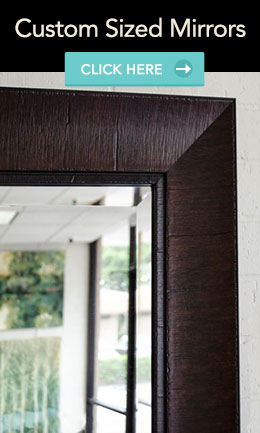
The Complete Guide to Choosing Custom Mirrors for Your Space
A mirror can do much more than provide a reflection. In a well-designed interior, it can add light, create visual depth, define a focal point, and make a room feel more intentional. But choosing the right mirror requires more than picking a style you like. Size, shape, placement, frame, and surrounding architecture all need to work together.
For interior designers, remodeling companies, builders, and home design professionals, here are the key factors to consider when specifying a mirror.
1. Start With the Space and Its Proportions
Before selecting a mirror, measure the wall, furniture, vanity, or architectural feature where it will be installed. Scale is critical. A mirror that is too small can look disconnected, while one that is too large may overwhelm the composition.
In bathrooms, a common approach is to select a mirror that is similar in width to the vanity or somewhat narrower. Houzz notes that custom sizing can be especially useful when a standard mirror does not provide the right proportions for a vanity or wall.
This is where a custom-sized mirror becomes valuable. Instead of designing around an available size, you can specify dimensions that fit the space precisely.
2. Choose a Shape That Supports the Design
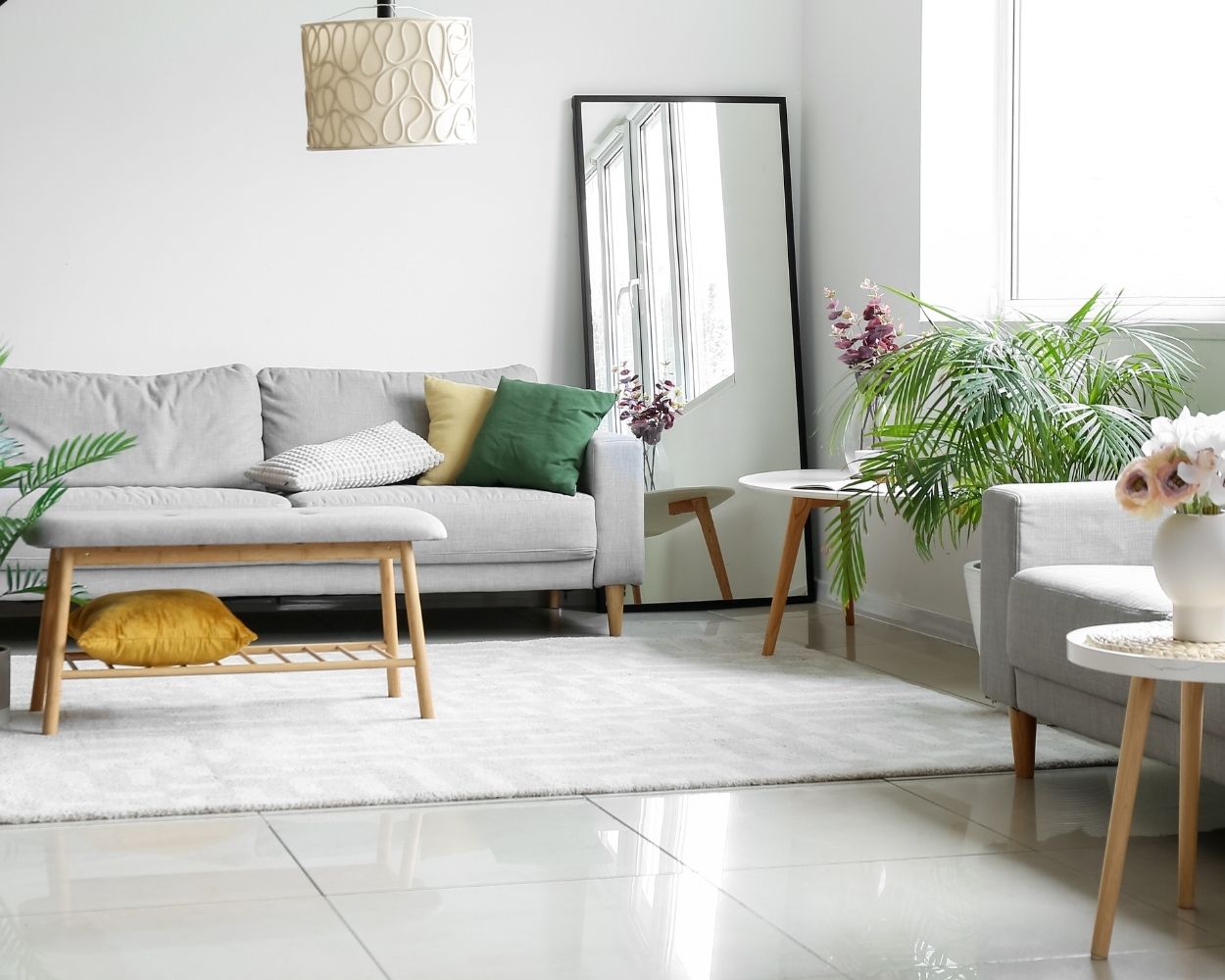
Shape should complement the architecture and furniture. Square and rectangular mirrors are versatile choices for contemporary, transitional, and traditional interiors because their clean geometry works naturally with vanities, cabinets, windows, and architectural lines.
A tall rectangular mirror can emphasize ceiling height, while a wider design can visually expand a wall. For double vanities, one large rectangular mirror or two individually sized mirrors can create very different compositions.
Think about the lines already present in the room, then choose a mirror that reinforces rather than competes with them.
3. Treat the Frame as a Design Element
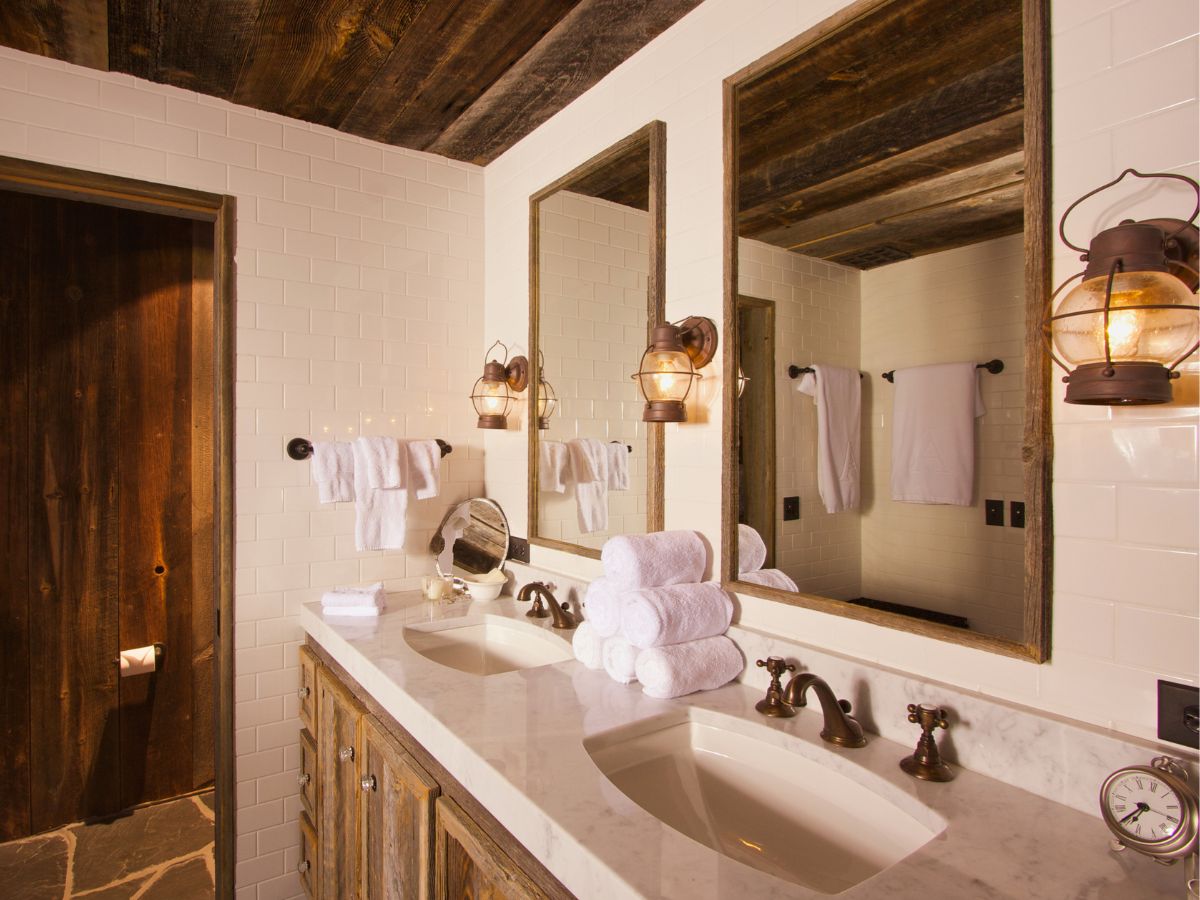
A frame can turn a functional mirror into a distinctive architectural detail. Select a finish that relates to existing elements such as cabinet hardware, faucets, lighting, wood tones, or other decorative materials.
A simple frame can provide a polished look without overpowering the room, while a more substantial or decorative frame can make the mirror a focal point.
For commercial or high-end residential projects, specifying the frame early can also help create consistency throughout multiple rooms.
4. Consider Lighting and Placement
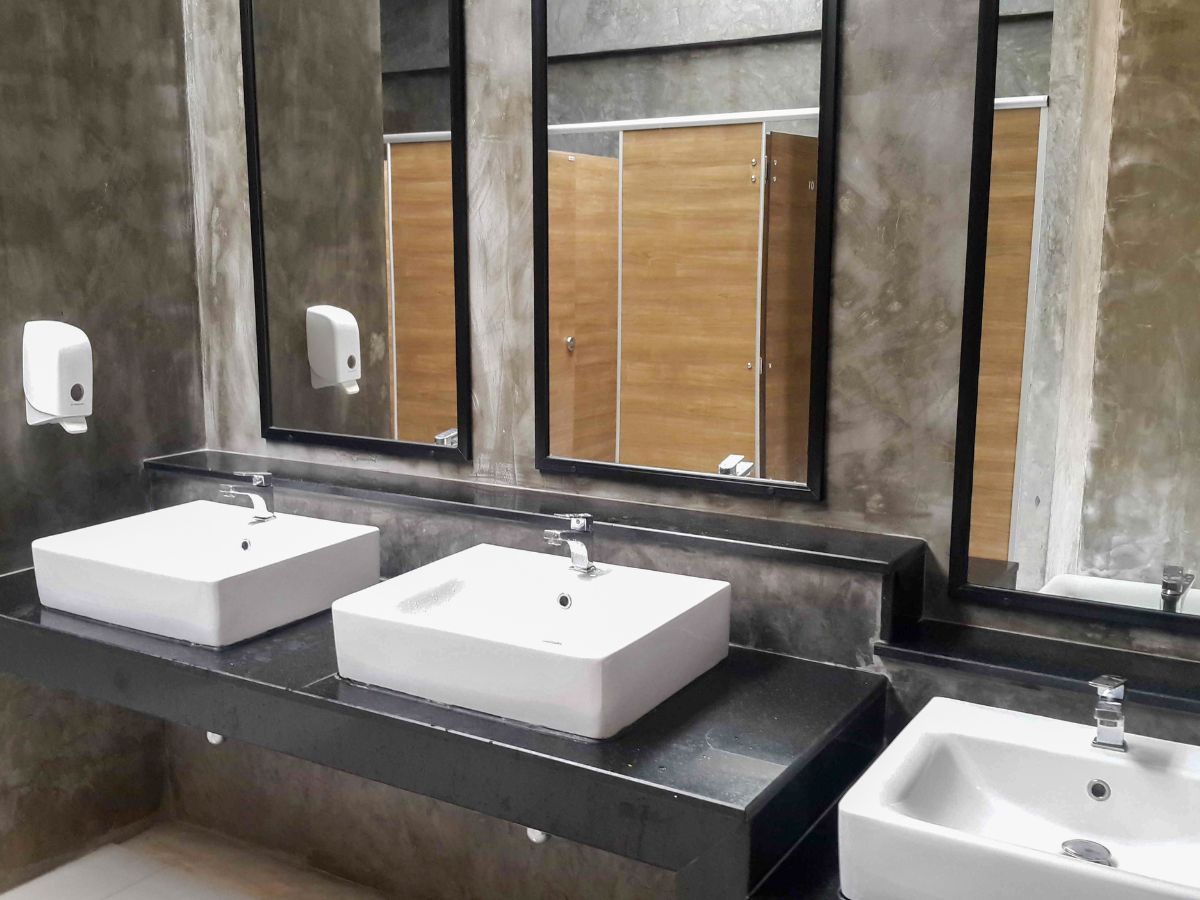
A mirror should be positioned with lighting in mind. In a bathroom, for example, sconces may need space beside the mirror, while overhead lighting can influence the available height. Consider mirror proportions alongside vanity lighting rather than treating these decisions separately.
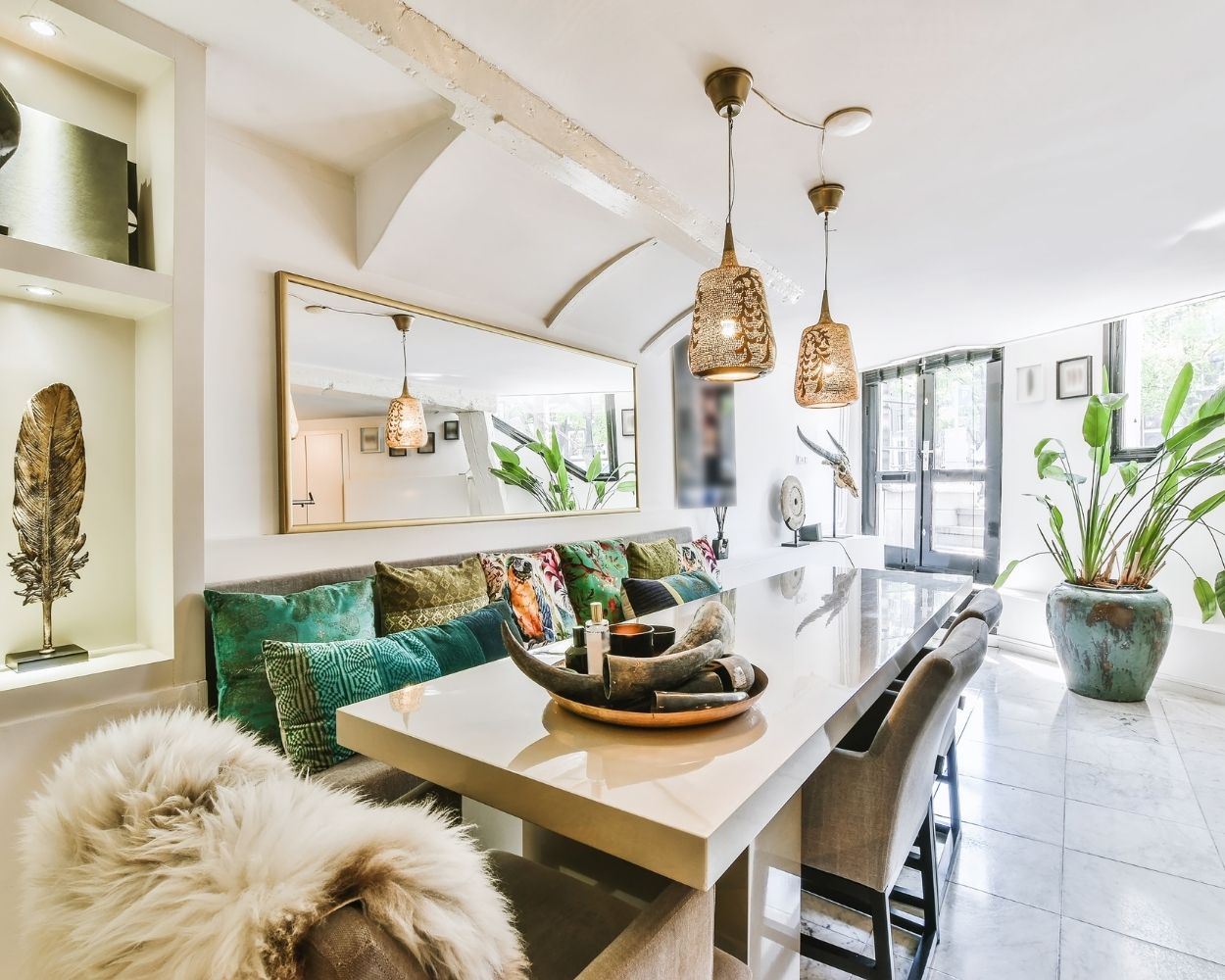
Placement also matters beyond bathrooms. Positioning a mirror where it reflects natural light, an attractive architectural feature, or an open area can strengthen the room’s visual impact.
5. When in Doubt, Go Custom
Standard mirrors can work beautifully, but they can also create compromises when a wall, vanity, niche, or furniture piece has unusual dimensions. A custom-sized mirror eliminates much of that guesswork.

For designers and remodeling professionals, framed, custom-sized mirrors offer control over both proportion and style. The result is a finished piece that is designed around the architecture rather than forced into it.