Why Wall Mirrors Matter: 5 Ways They Transform Your Home
A wall mirror can be one of the most versatile elements in a home. It provides a practical reflection, but its design value goes much further. When properly sized and positioned, a mirror can reflect natural light, create the perception of greater depth, highlight architectural features, and give a room a more finished appearance. Interior designers have long used mirrors as a strategic tool for making spaces feel brighter and more open.
Here are several reasons why a well-chosen wall mirror deserves a place in the design plan.
1. Mirrors Can Make a Space Feel Larger
One of the biggest advantages of a wall mirror is its ability to create visual depth. A mirror reflects the room around it, giving the eye the impression that the space continues beyond the wall.
This can be particularly useful in smaller living rooms, entryways, bedrooms, and bathrooms. Designers can use a large mirror to visually expand a wall without changing the actual footprint of the room. Houzz notes that mirrors can reflect elements within a room and enhance the perception of space.

2. Mirrors Help Maximize Light
A strategically placed mirror can bounce natural or artificial light around a room. Positioning one opposite or near a window can help distribute daylight, while placement near decorative or accent lighting can add another layer of brightness.
This makes mirrors especially useful in rooms that receive limited natural light. The goal is not simply to add reflection, but to control what the mirror reflects and where that reflected light goes.
3. A Mirror Can Become a Focal Point
A wall mirror does not have to blend into the background. A distinctive frame can make it an important design feature.
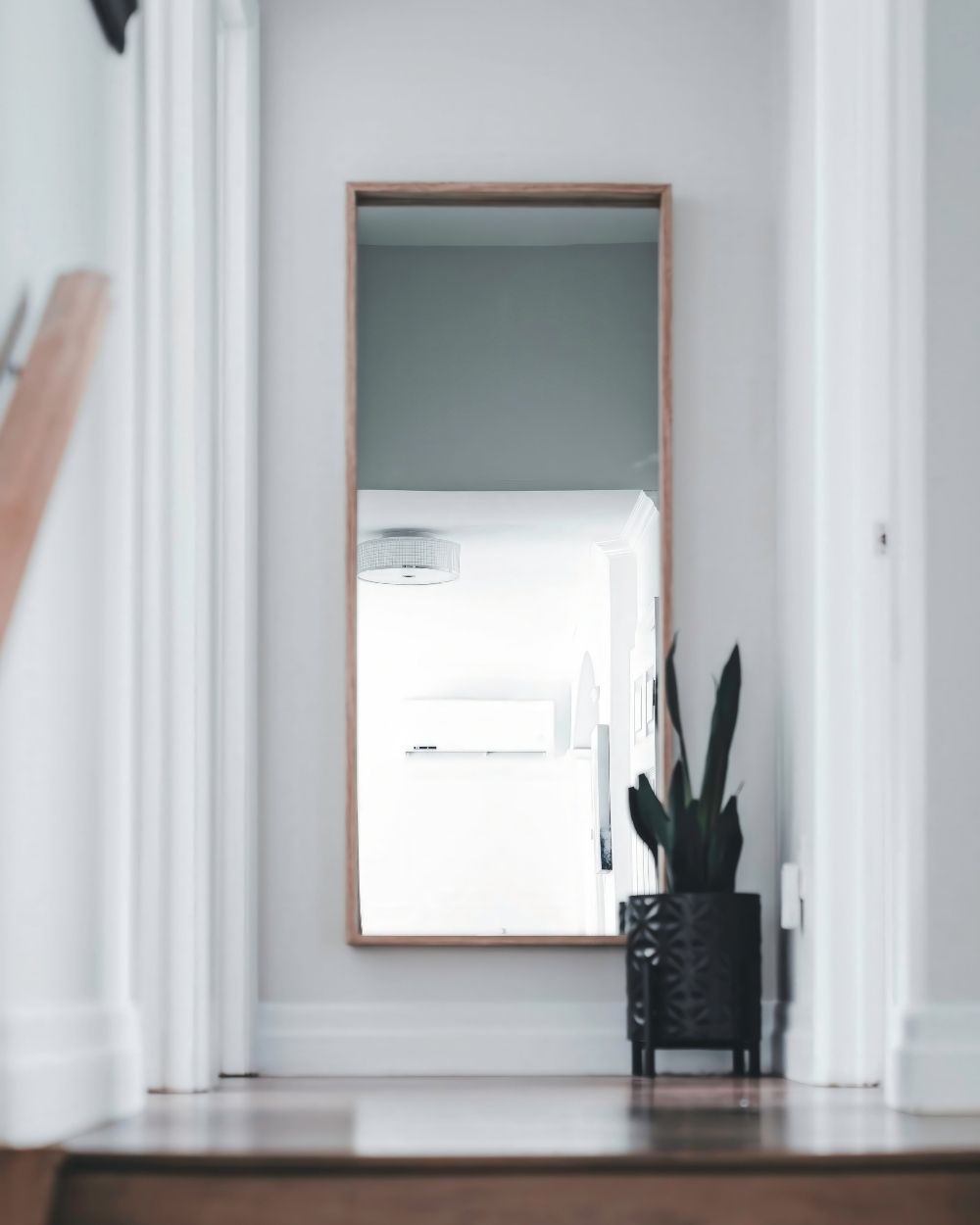
A framed, custom-sized mirror can complement cabinetry, furniture, wall treatments, lighting, and architectural lines. Rectangular designs work particularly well in contemporary and streamlined interiors, while the frame can introduce warmth, contrast, texture, or a more traditional character.
For designers working on custom residential or remodeling projects, specifying the frame as part of the overall material palette can create a more cohesive result.

4. Custom Sizing Creates Better Proportion
Standard mirror dimensions do not always suit a particular wall or furniture arrangement. A mirror that is too small can look disconnected, while an oversized piece may overpower its surroundings.
Custom sizing gives design professionals greater control over width and height. A mirror can be specified to fit precisely above a vanity, behind a console, across a feature wall, or within a specific architectural opening.
This is particularly valuable when working with unusual wall dimensions or carefully planned built-ins.
5. Mirrors Add Function Without Sacrificing Style
A mirror can serve an obvious practical purpose while also contributing to the overall aesthetic. In an entryway, it provides a convenient final check before leaving the house. In a bedroom, it supports dressing and styling. In a bathroom, it is essential to the vanity area.
The key is to select a mirror that works with the room rather than treating it as an isolated accessory.
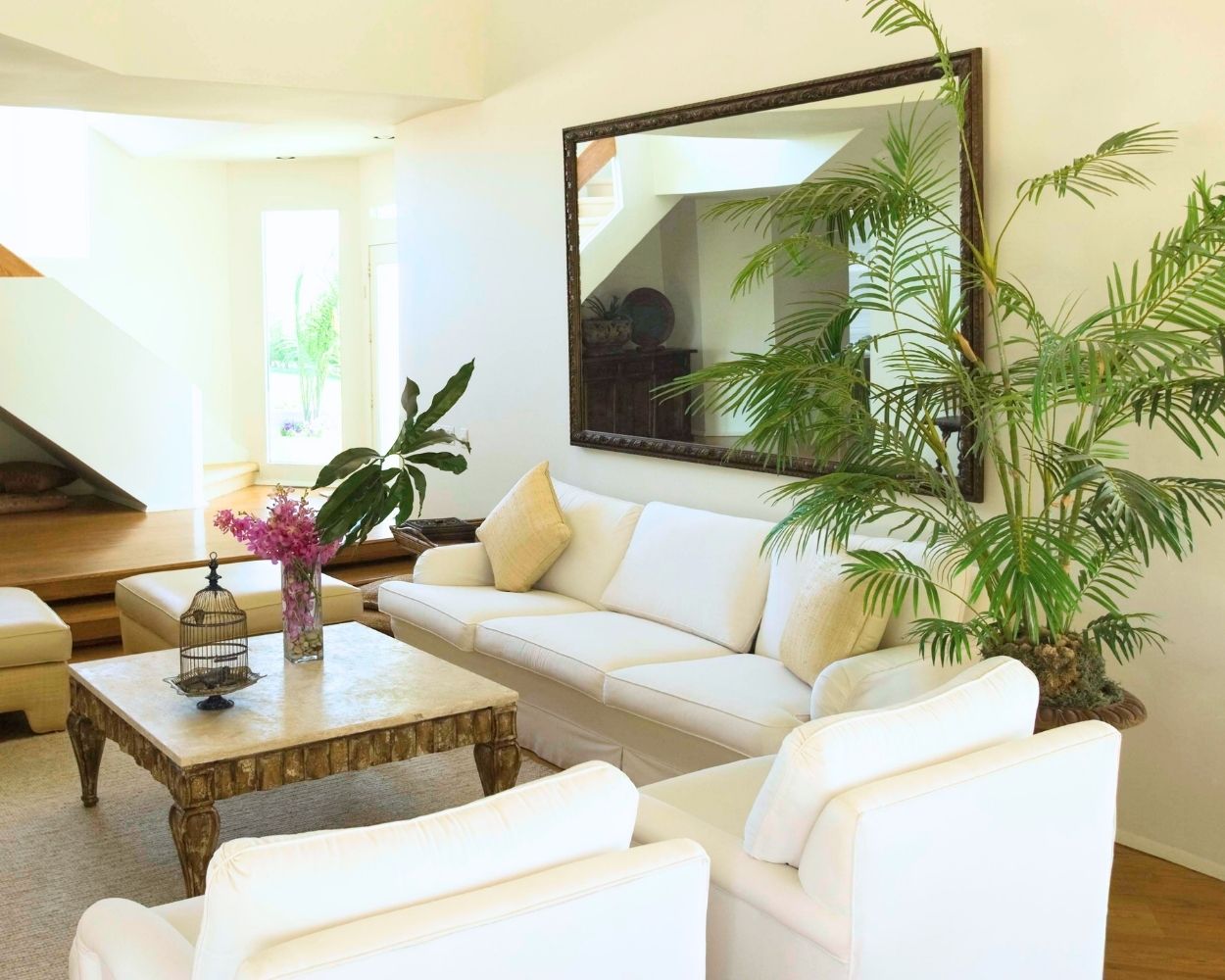
For home design professionals, a custom-sized framed wall mirror offers an opportunity to combine function, proportion, and visual impact in one element.
Ultimately, the best wall mirror is one that feels intentional. Consider the room’s scale, lighting, furniture, architecture, and existing finishes before selecting the size and frame. When these details are coordinated, a mirror becomes an integral part of the interior design.