How to Choose a Table Top: 5 Tips
Choosing a table top sounds simple, until you’re responsible for how it performs five or ten years from now. Tables are workhorses. They host meals, meetings, homework, laptops, and daily wear. For interior designers, remodeling companies, and home design professionals, the right table top balances durability, proportion, and design intent.
Here’s how to make that decision with confidence.
1. Start With How the Table Will Be Used
Before selecting materials or finishes, define the table’s purpose. A dining table for a family of five has very different demands than a conference table or a decorative console.
High-use tables need surfaces that resist scratches, heat, and spills. Occasional-use tables can prioritize appearance over durability. Asking how often the table will be used, by how many people, and for what activities should guide every other decision.

2. Choose the Right Material
Material selection determines both performance and visual impact.
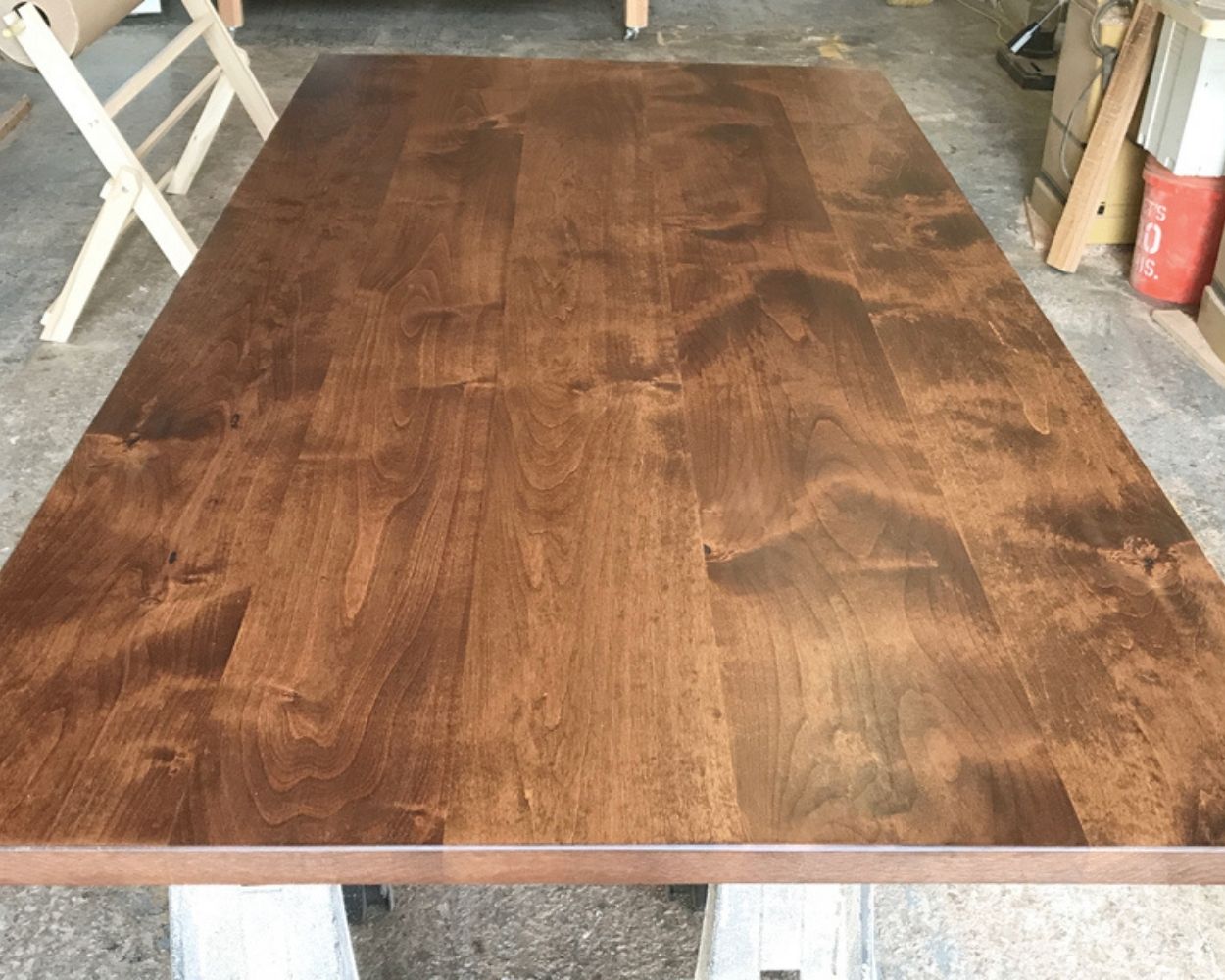
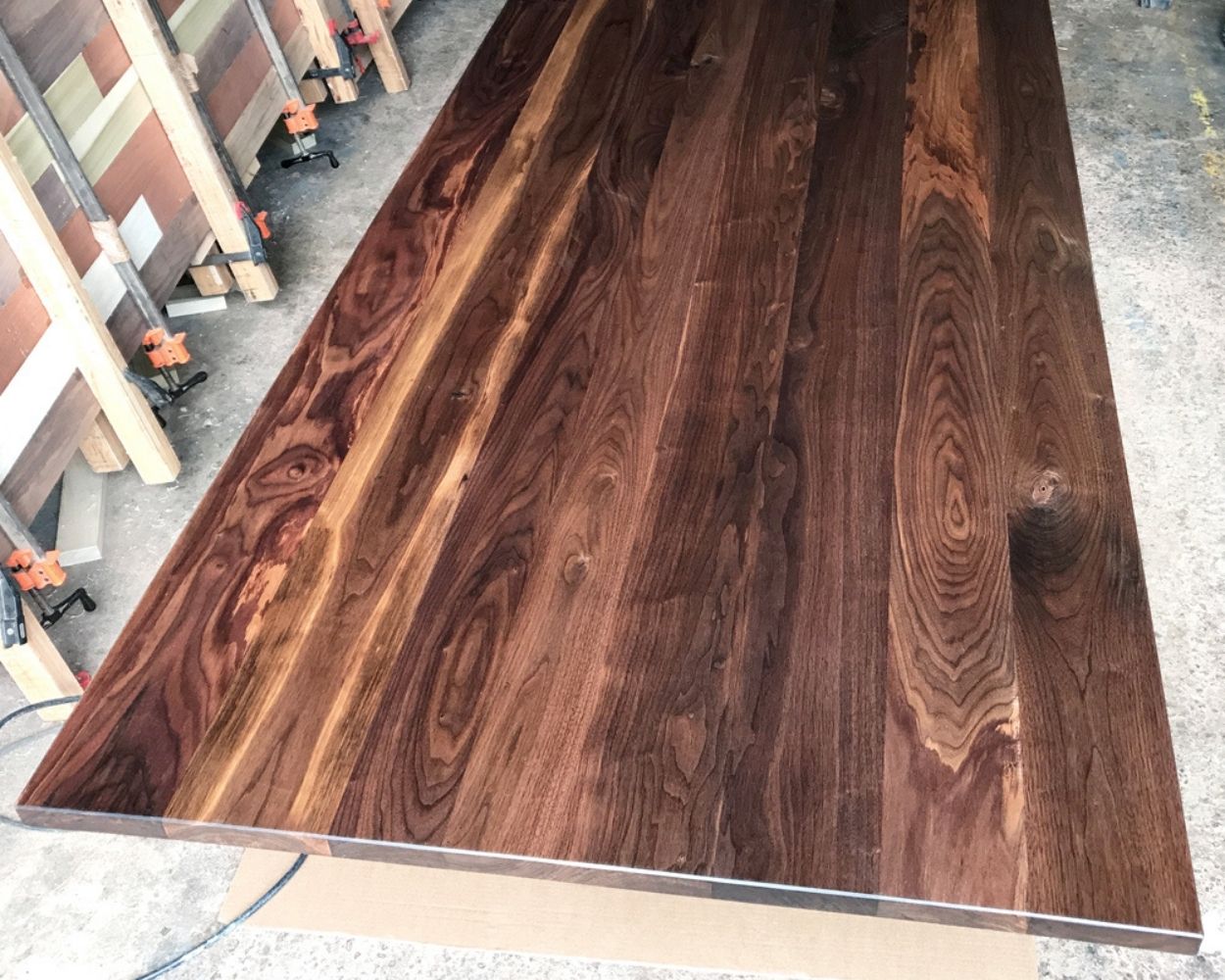
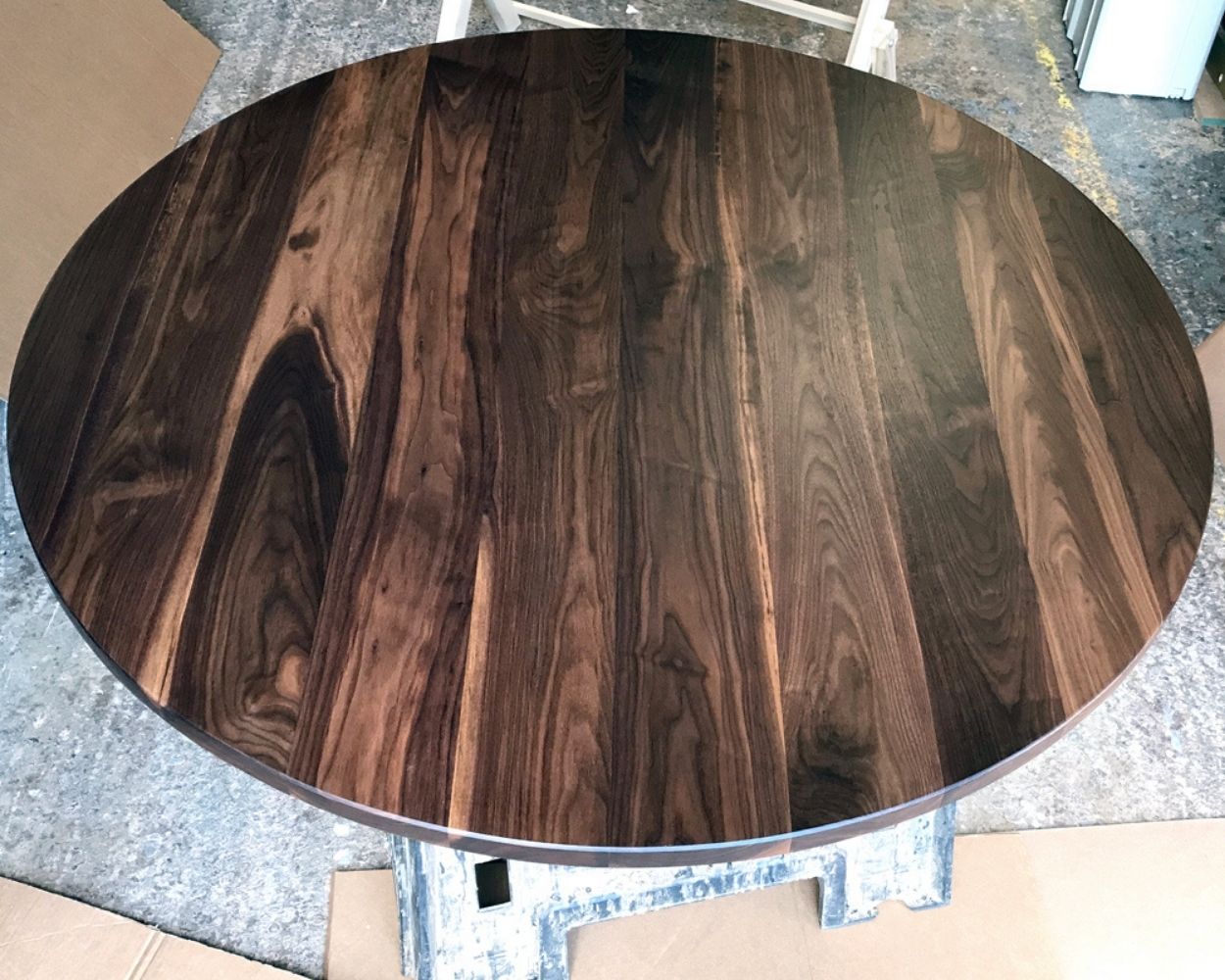
Solid wood table tops are a top choice for designers because they age well and can be refinished. Oak and maple offer strength and durability, making them ideal for everyday use. Walnut provides a richer, more refined look suited for statement pieces.
Engineered wood with a solid wood veneer can be cost-effective for projects with tight budgets, but it won’t have the same lifespan as solid wood. Stone, glass, or composite surfaces work well in specific applications but require careful consideration of weight, maintenance, and safety.
For most residential and light commercial projects, solid wood remains the most versatile and reliable option.
3. Get the Size and Shape Right
Table tops should be sized for both the room and the people using them. Oversized tops overwhelm a space, while undersized ones feel awkward and impractical.
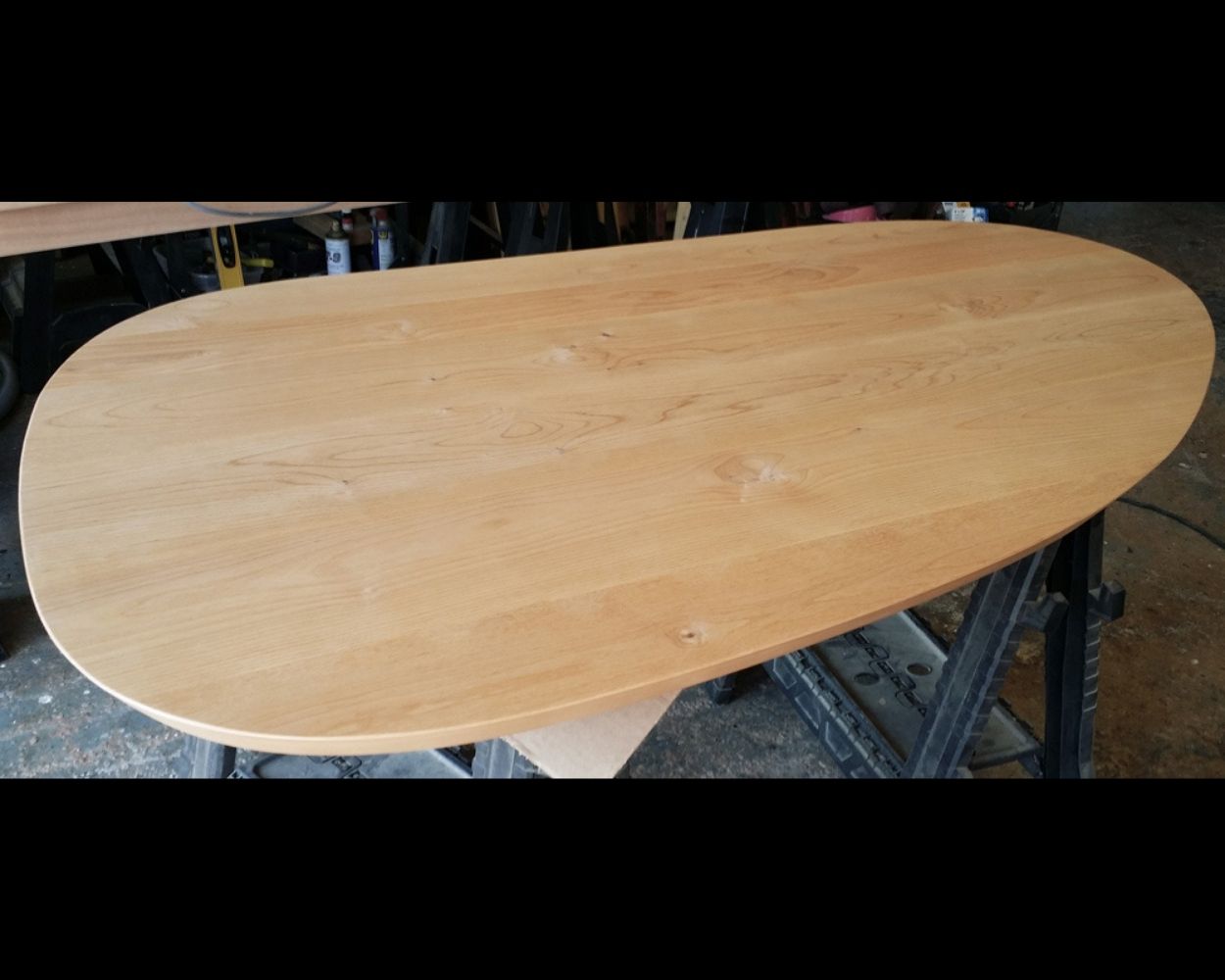
As a rule, allow enough clearance around the table for chairs and circulation. Rectangular table tops work well in longer rooms and seat more people efficiently. Square tops suit compact spaces or symmetrical layouts. Round and oval tops improve flow in tight areas and reduce sharp corners.
Custom sizing is often worth the investment. It eliminates wasted space and ensures the table fits the room rather than forcing the room to work around the table.
4. Pay Attention to Thickness and Edge Profile
Thickness affects both durability and visual weight. Thin tops feel modern and minimal, while thicker tops feel substantial and grounded. The right choice depends on the base design and the room’s scale.
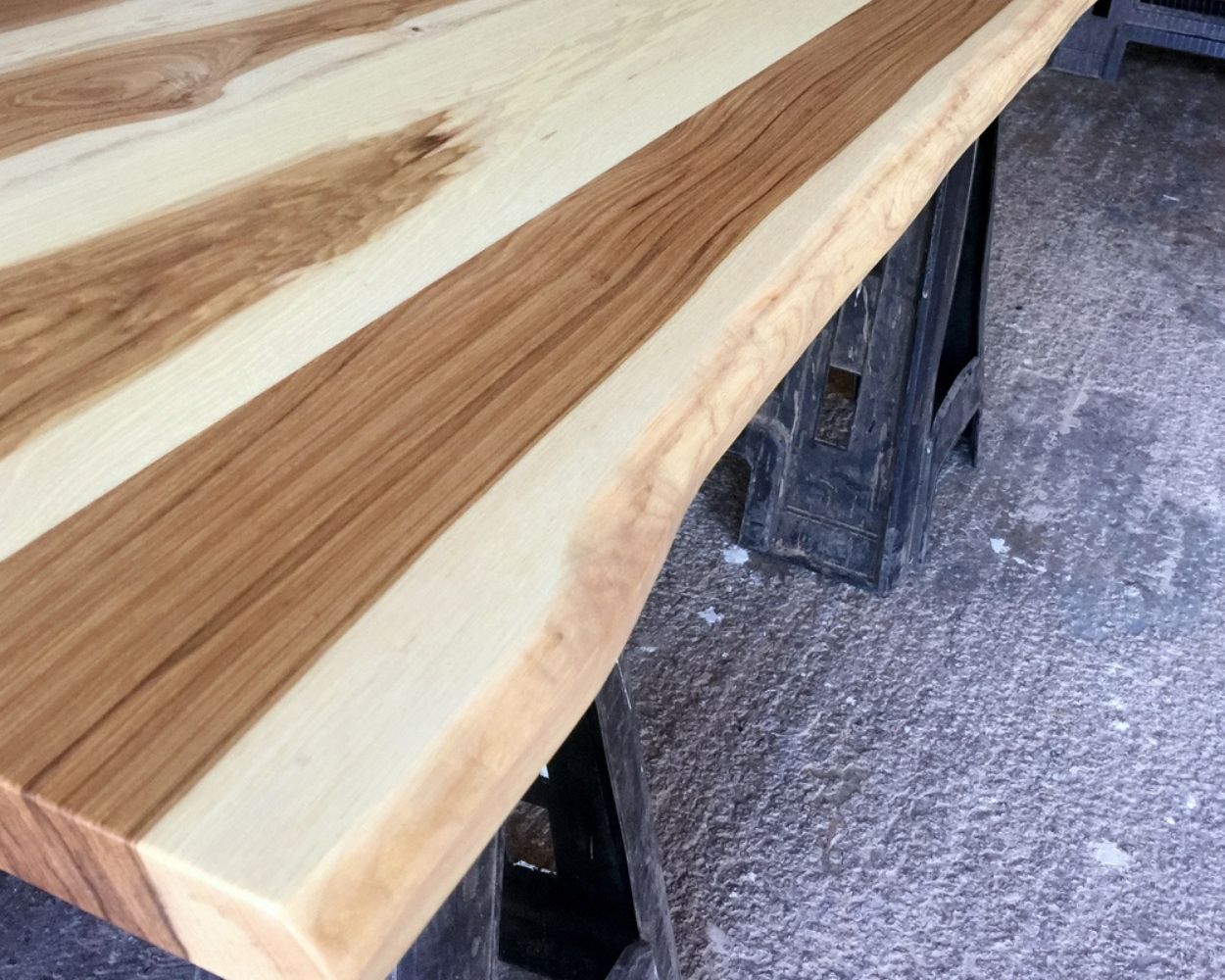
Edge profiles matter more than many people realize. Clean square edges suit modern interiors. Beveled or eased edges soften the look and feel more traditional. Live edges add character but should be used intentionally to avoid overpowering the space.
5. Select a Finish That Matches Real Life
A table top finish should support how the table will be used, not just how it looks on install day. Matte and satin finishes hide scratches and fingerprints better than high gloss. Protective finishes help resist moisture and heat, especially in dining and work areas.
Color also plays a role. Lighter finishes brighten spaces and feel casual. Darker finishes add drama but may show wear more easily. Always consider lighting and surrounding materials before finalizing the finish.
Choosing a table top is about more than style. It’s about understanding use, scale, material performance, and long-term value. When designers and builders specify table tops thoughtfully, the result is furniture that works hard, looks intentional, and lasts.