Decorating with Mirrors: 6 Design Ideas
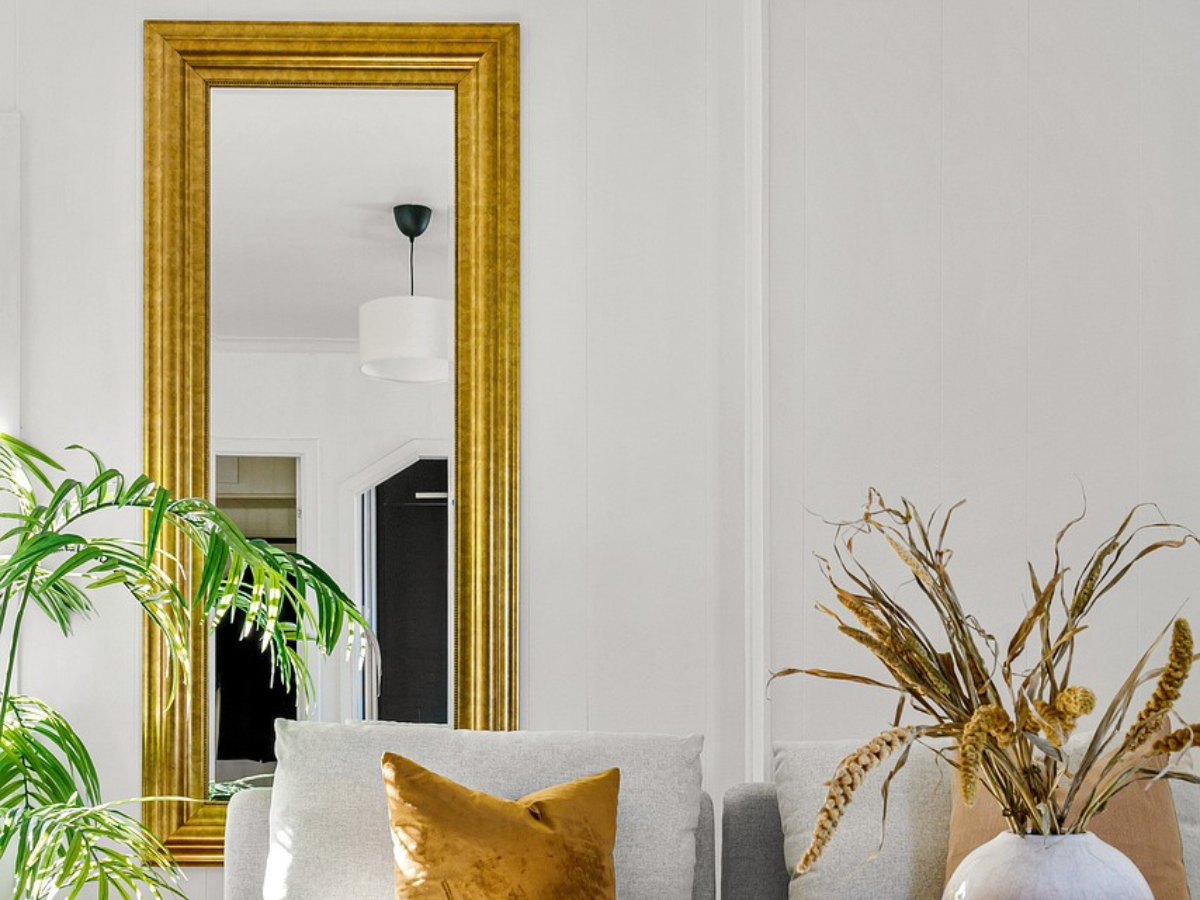
Mirrors are one of the most effective tools in interior design. They reflect space, improve light, create the illusion of space, and bring balance to a room. For designers, builders, and remodeling professionals, mirrors are not just accessories. They are strategic elements that can shape how a space is experienced.
Here are practical ways to use mirrors that consistently deliver strong results.
1. Start with light.
One of the simplest and most effective uses of a mirror is to reflect natural light. Placing a mirror directly across from or adjacent to a window helps distribute daylight deeper into the room. This works especially well in living areas, hallways, and smaller rooms that lack strong natural light sources.
2. Use mirrors to define space.
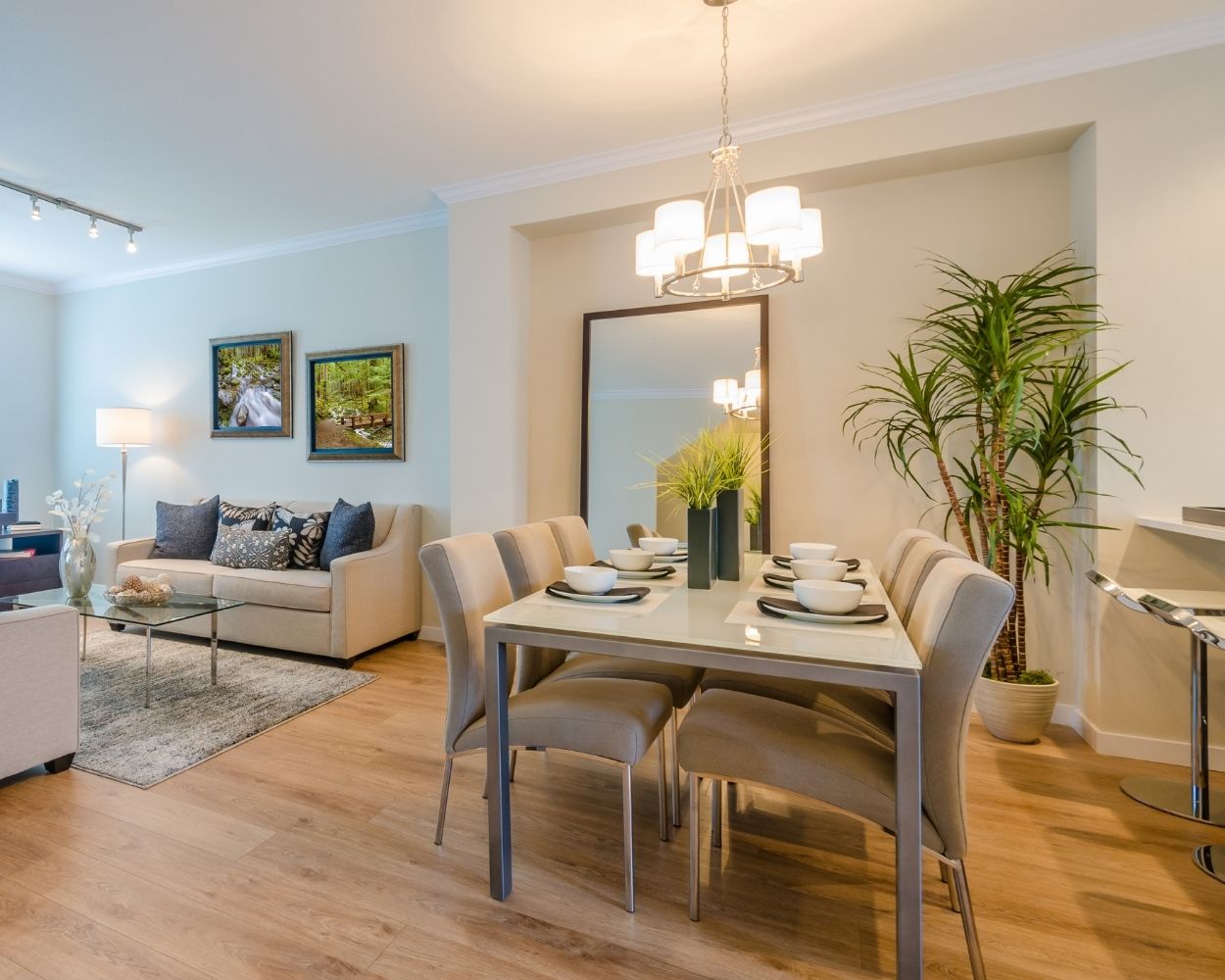
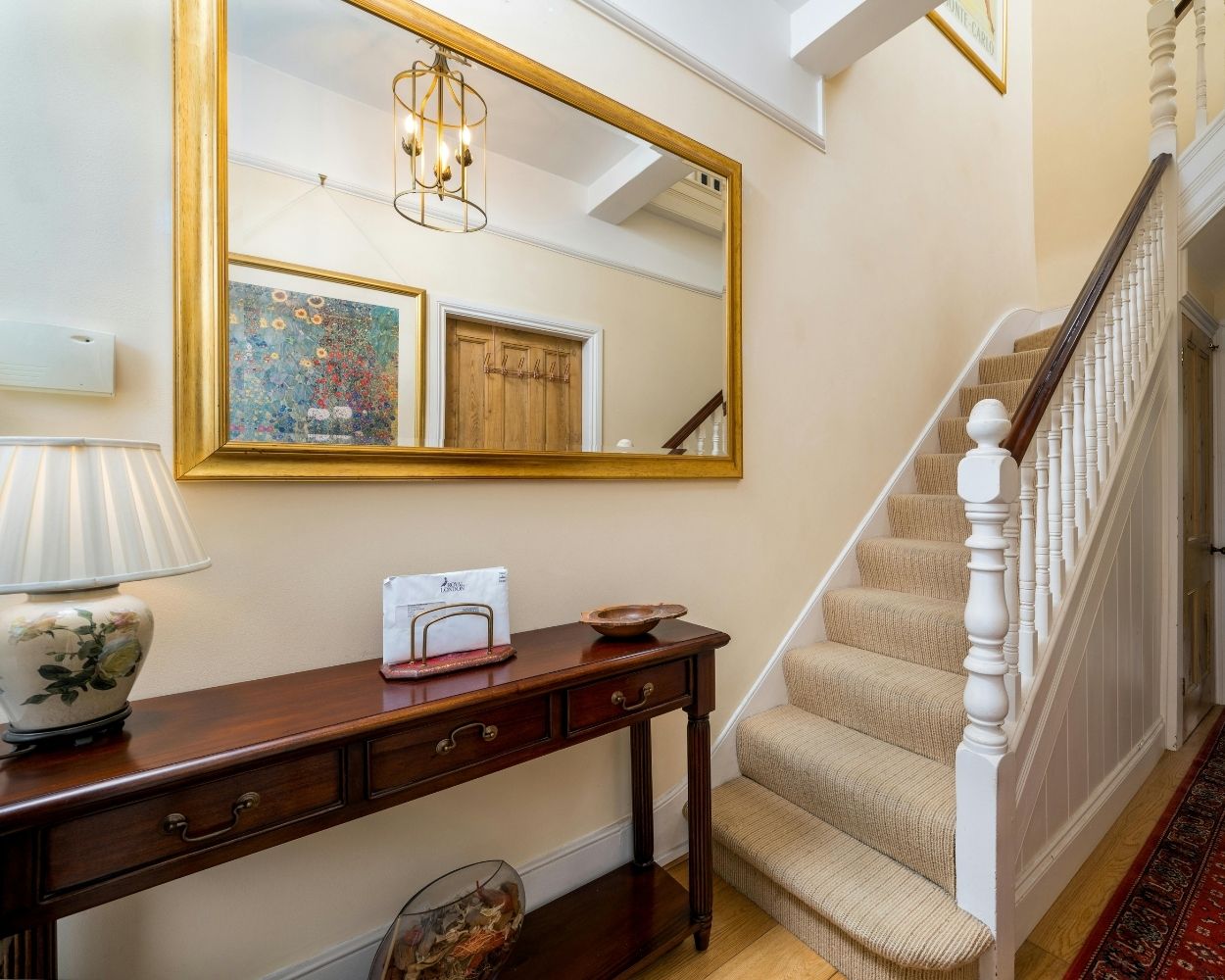
A well-placed mirror can act as a visual anchor. In entryways, a large rectangular mirror above a console table creates structure and makes the space feel intentional. In dining rooms, a square or horizontal mirror can reflect the table setting and lighting, adding depth without overcrowding the wall.
Custom-sized mirrors are particularly effective here. They allow you to match the proportions of the wall and surrounding furniture precisely. This eliminates the common issue of mirrors that feel too small or disconnected from the rest of the design.
3. Mirror frame
Framing matters more than most people expect.
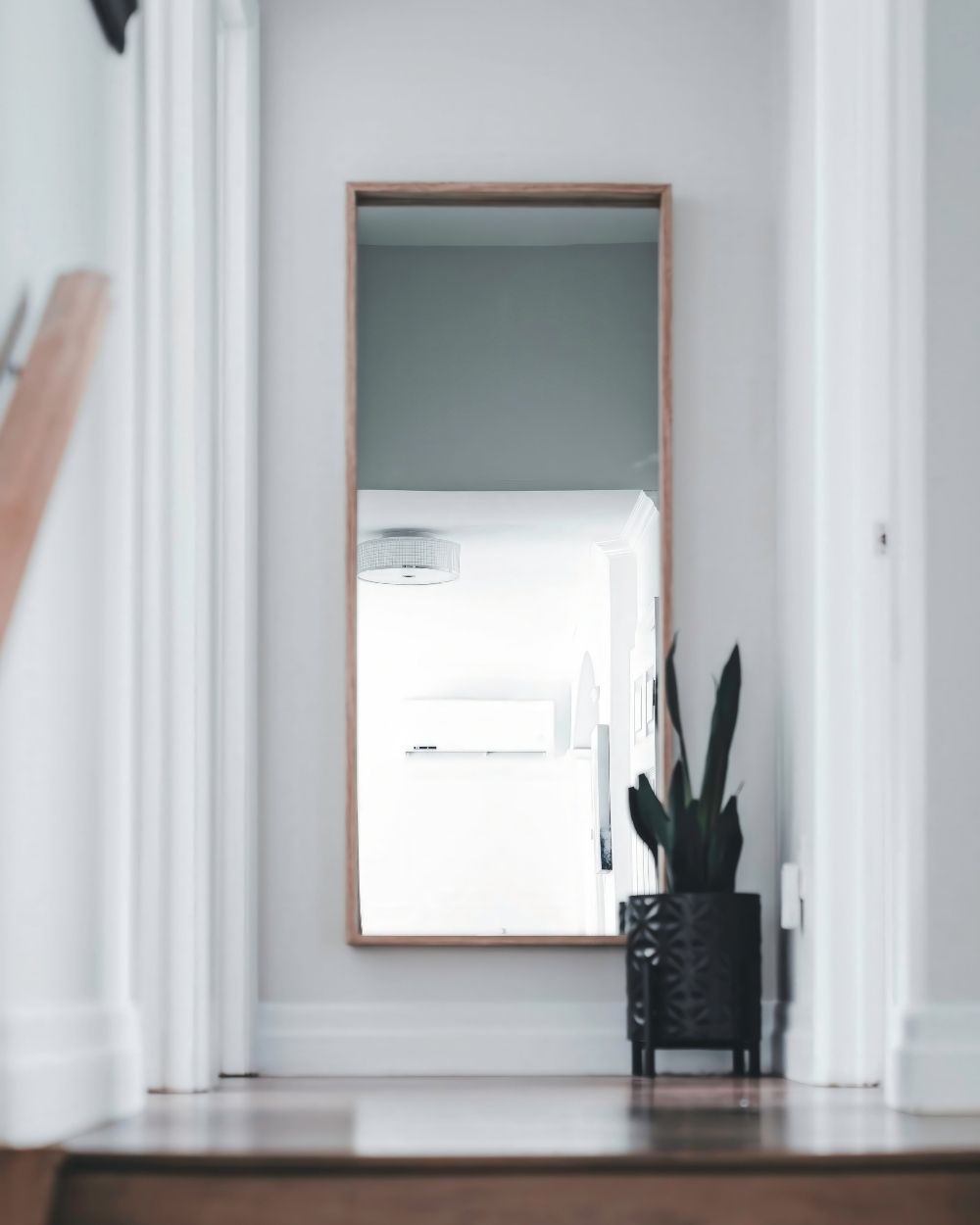
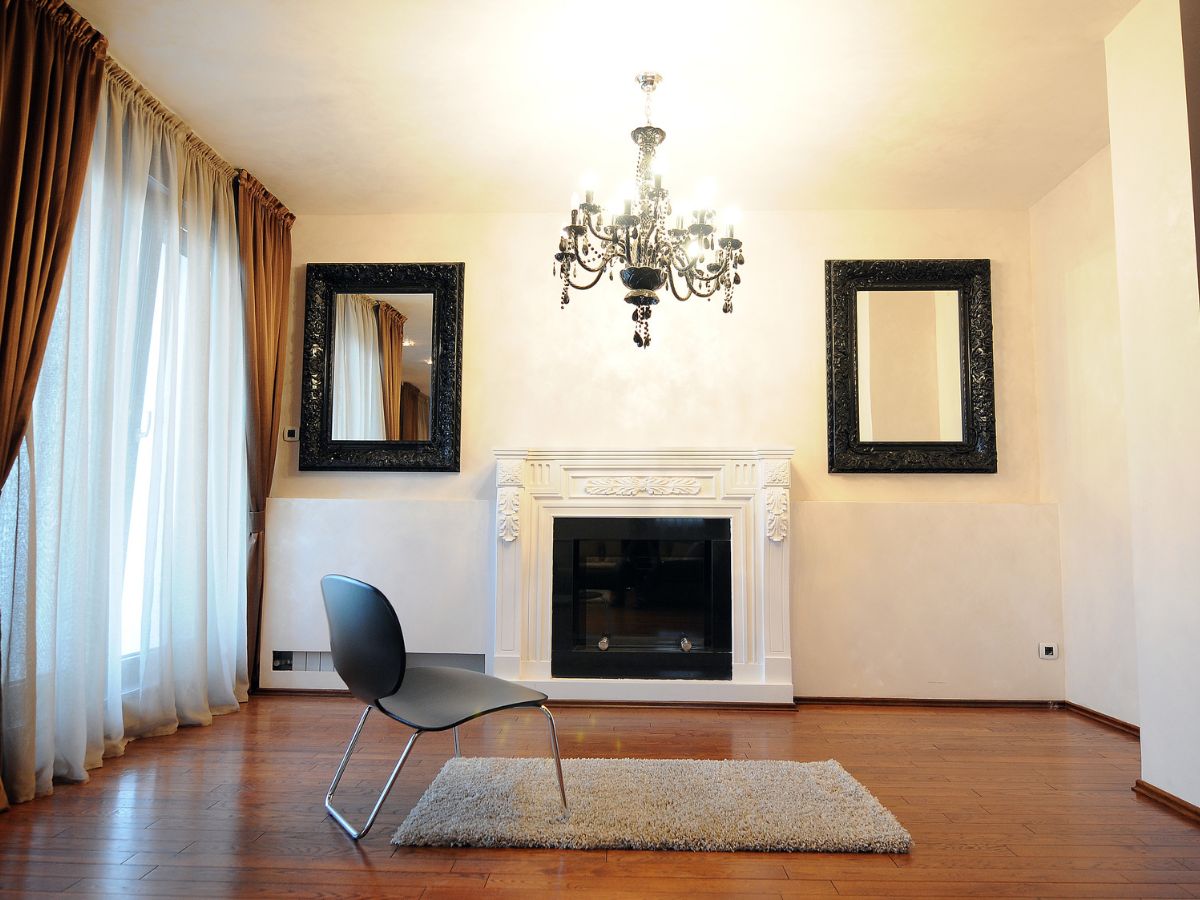
A framed mirror can tie together materials and finishes within a space. For example, a black frame can connect with lighting fixtures or hardware, while a wood frame can soften a modern room and add warmth. Framed mirrors tend to feel more complete and intentional, especially in residential settings.
Frameless mirrors still have their place, particularly in minimalist or contemporary interiors. However, even then, sizing and placement need to be carefully considered to avoid a flat or unfinished look.

4. Use mirrors to expand tight areas.
In smaller rooms, mirrors can visually double the space. A large vertical mirror in a narrow hallway can make the area feel wider and more open. In bedrooms, a floor mirror can extend sightlines and add both function and scale.
The key is placement. Avoid positioning mirrors where they reflect clutter or awkward angles. Instead, aim to reflect clean lines, natural light, or well-designed focal points.
5. Layer mirrors into the overall design.
Mirrors work best when they are integrated into a broader design plan. They should align with furniture, lighting, and architectural features. For example, aligning a mirror with a vanity or centering it between wall sconces creates symmetry and balance.
Custom sizing becomes especially valuable in these situations. It allows for precise alignment, which is often what separates a standard space from a professionally designed one.
6. Think beyond function.
Mirrors can also serve as statement pieces. Oversized mirrors, unique frames, or grouped mirror arrangements can add character without overwhelming a space. For builders and designers, this is a simple way to introduce visual interest while keeping the design clean and controlled.
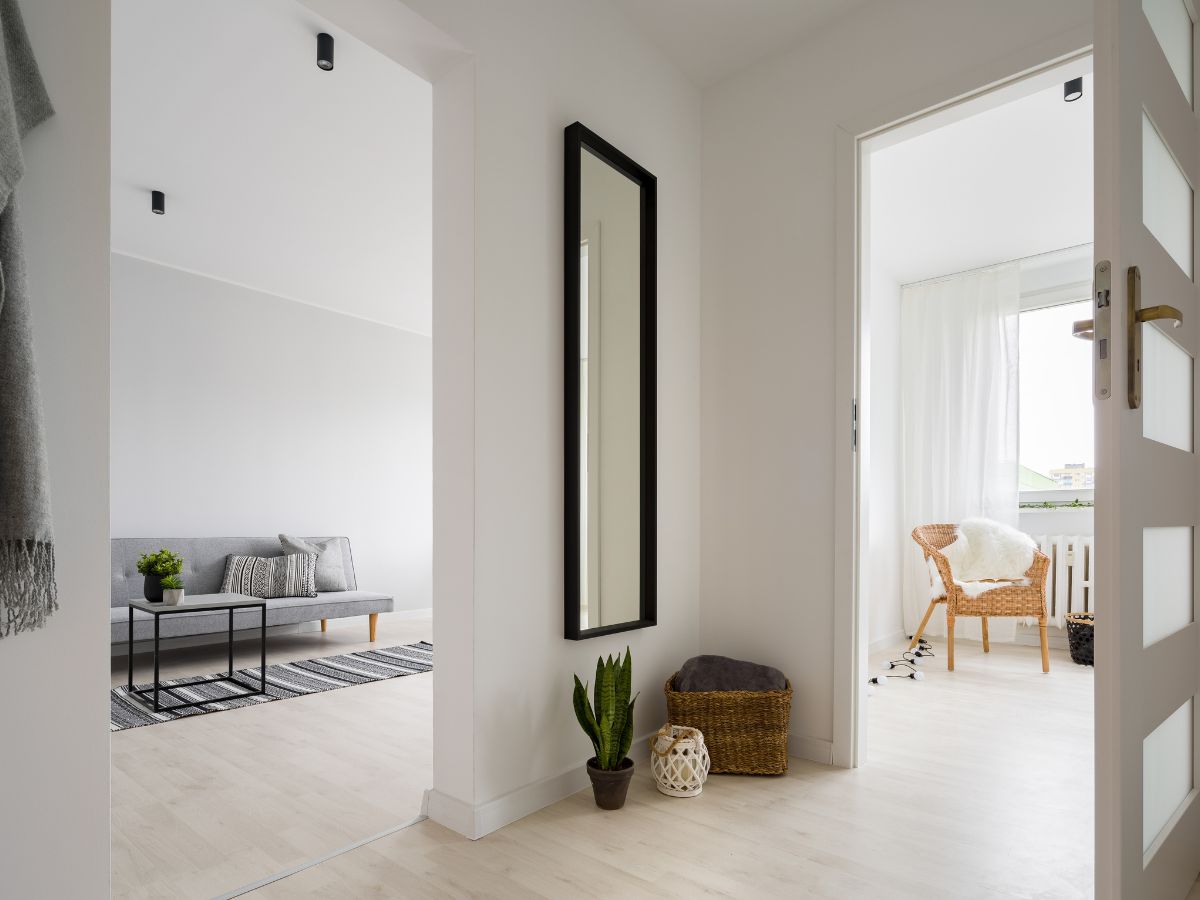
In the end, decorating with mirrors is about intention. When size, placement, and framing are considered carefully, mirrors can transform a space without major structural changes.