5 Places NOT to Hang a Mirror in Your Home
Mirrors are powerful design tools. They can amplify light, expand space, and elevate interiors. But placed poorly, mirrors can do more harm than good visually, functionally, and energetically. Here’s a guide to the key spots where mirrors should not be hung in a home and why these areas matter.
1. Directly Opposite the Front Door
Placing a mirror directly facing the main entrance may seem like a way to make a foyer look larger. But from both practical and energy-flow perspectives, this is often discouraged. Feng Shui design principles suggest that a mirror opposite the front door can reflect positive energy (or visual focus) right back out of the home, making the entry feel less welcoming.
For interior designers and builders, a better option is to place the mirror on an adjacent wall where it can still add depth without creating discomfort or a jarring first impression.

2. Opposite Beds in Bedrooms
Bedrooms are about rest, calm, and comfort. Many designers and feng shui practitioners advise against hanging mirrors directly opposite a bed. In addition to potential sleep disruption and subconscious distraction, reflections of the bed can create visual “busyness” that works against serenity in a resting space.
Instead, consider placing mirrors on closet doors, near dressing areas, or on walls adjacent to the bed rather than facing it.
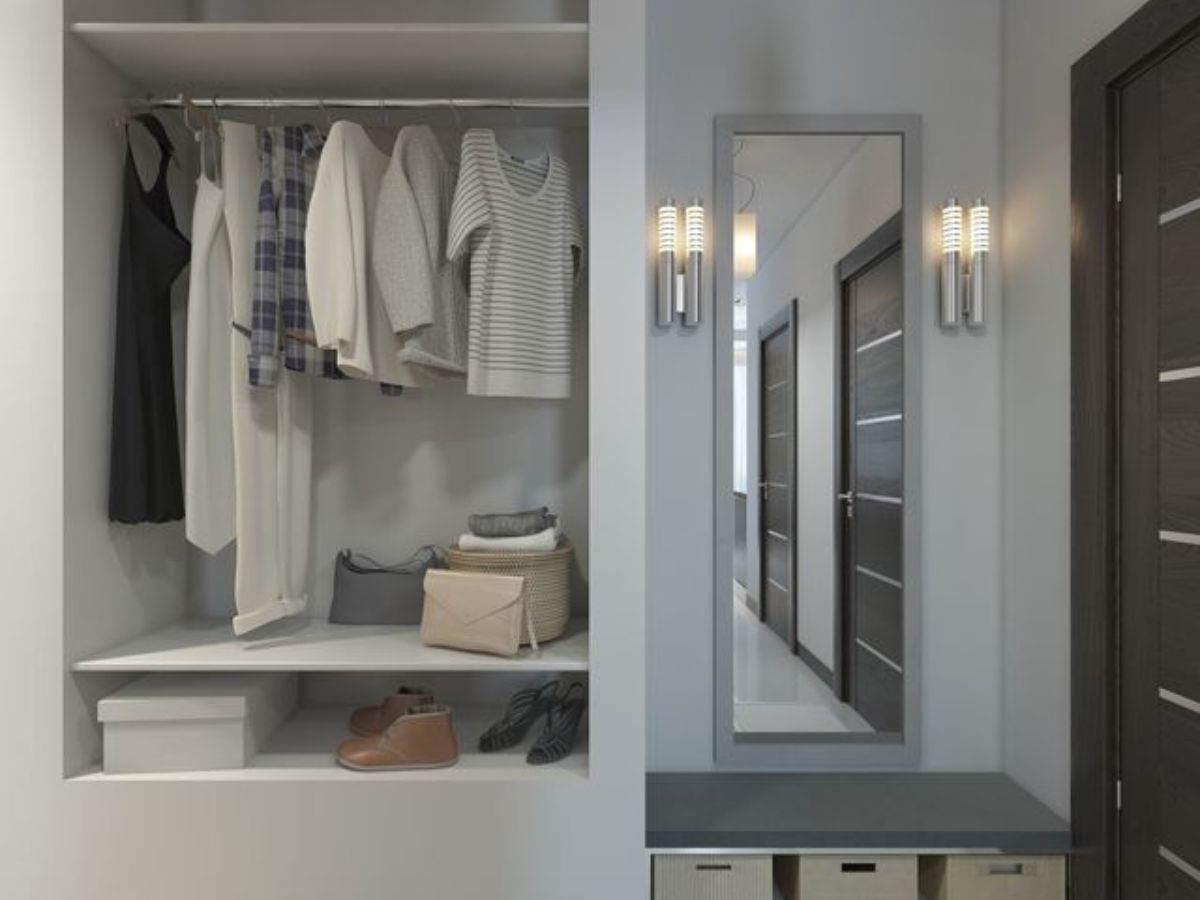
3. In Narrow Hallways or at Odd Heights
While hallways benefit from mirrors that expand perceived space, poor placement can backfire. Hanging a mirror too high, too low, or at the end of a tight corridor may overwhelm the eye, create visual distortion, or even feel disorienting.
For remodeling companies and homeowners, the key is to hang mirrors at eye level, aligned with architectural features and human scale. This allows light to bounce without creating an unintended “funhouse” effect.
4.Opposite Cluttered or Unattractive Areas
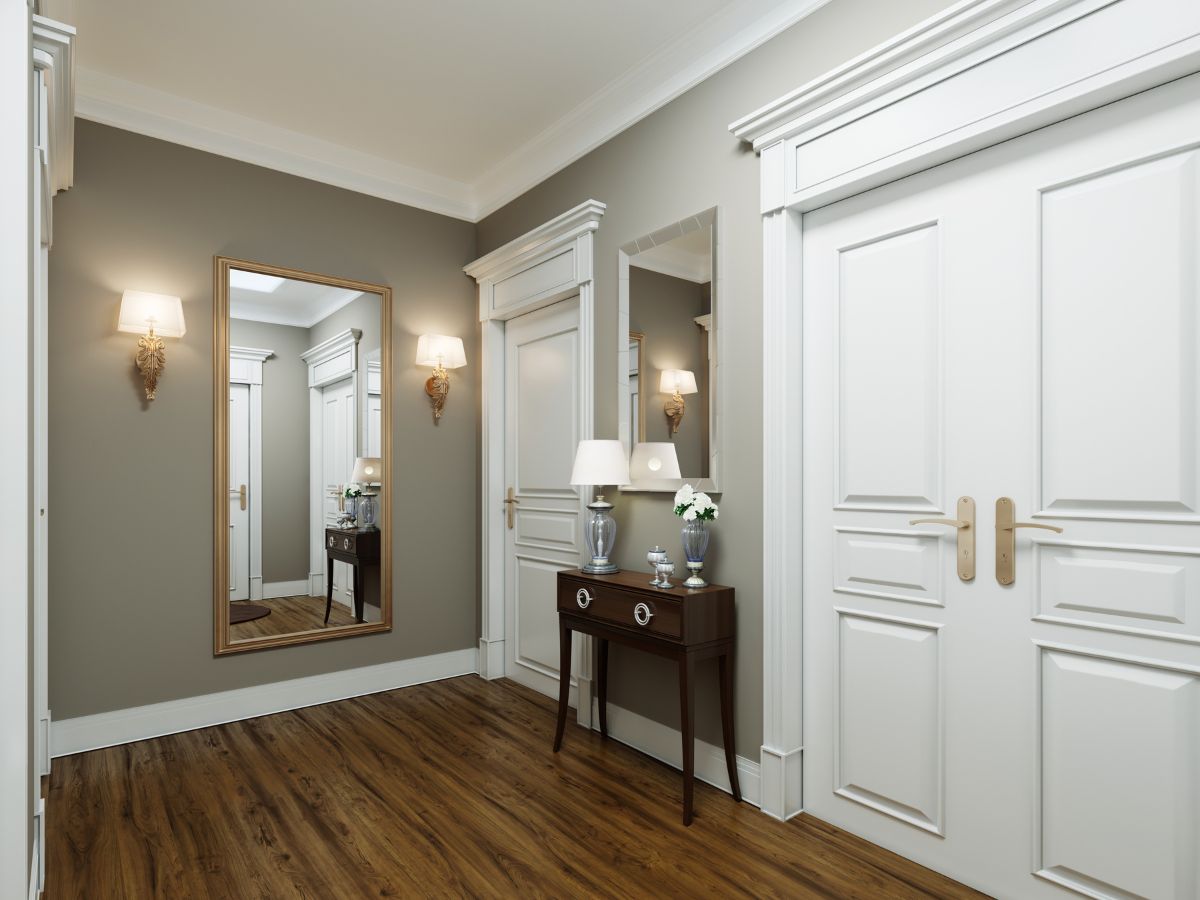
One of the most overlooked mistakes in mirror placement is what the mirror actually reflects. A mirror opposite a busy, messy, or unattractive view doubles that visual noise making the space seem even more chaotic.
Before installing a mirror, carefully evaluate the line of sight. A well-placed mirror should reflect something intentional like architectural detail, light, or curated art rather than clutter or work areas.
5. In Kitchens Exposed to Heat, Steam, or High Traffic
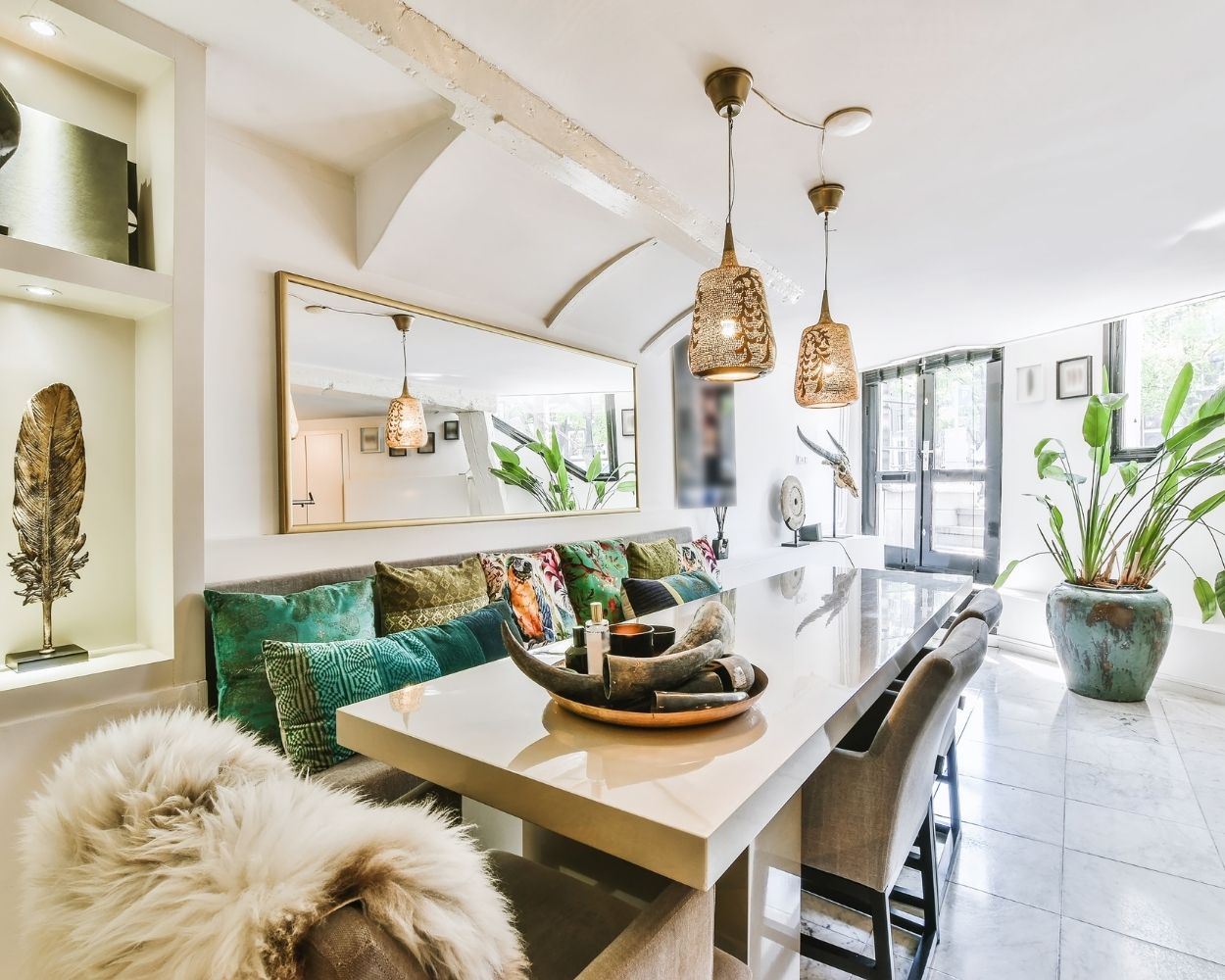
Kitchens are functional spaces where heat, steam, splatters, and daily activity are constant. Hanging a mirror here especially opposite the stove or sink can mean extra maintenance and constant cleaning to remove spots and haze.
If you want reflective surfaces in a kitchen, consider mirrored backsplash tiles in less oil-prone zones, or strategically place a framed mirror where steam exposure is minimal and the reflection enhances visual flow.
Avoiding these common placement mistakes ensures mirrors perform as strategic design elements instead of visual distractions. When you choose custom-sized mirrors with intentional placement, each reflects not just space but thoughtful design.