7 Expert Tips for Using Mirrors to Brighten a Room
Mirrors are more than decorative accessories. When placed with care, they can transform a dark or dull room into a brighter, more inviting space. They reflect natural and artificial light, create a sense of depth, and help interiors feel more open. For interior designers, remodeling companies, and home design professionals, mirrors offer a practical way to improve a room without major construction.
The key is choosing the right size, shape, frame, and placement. Here are seven tips to help you make the most of mirrors in your next design project.
1. Position Mirrors Near Windows
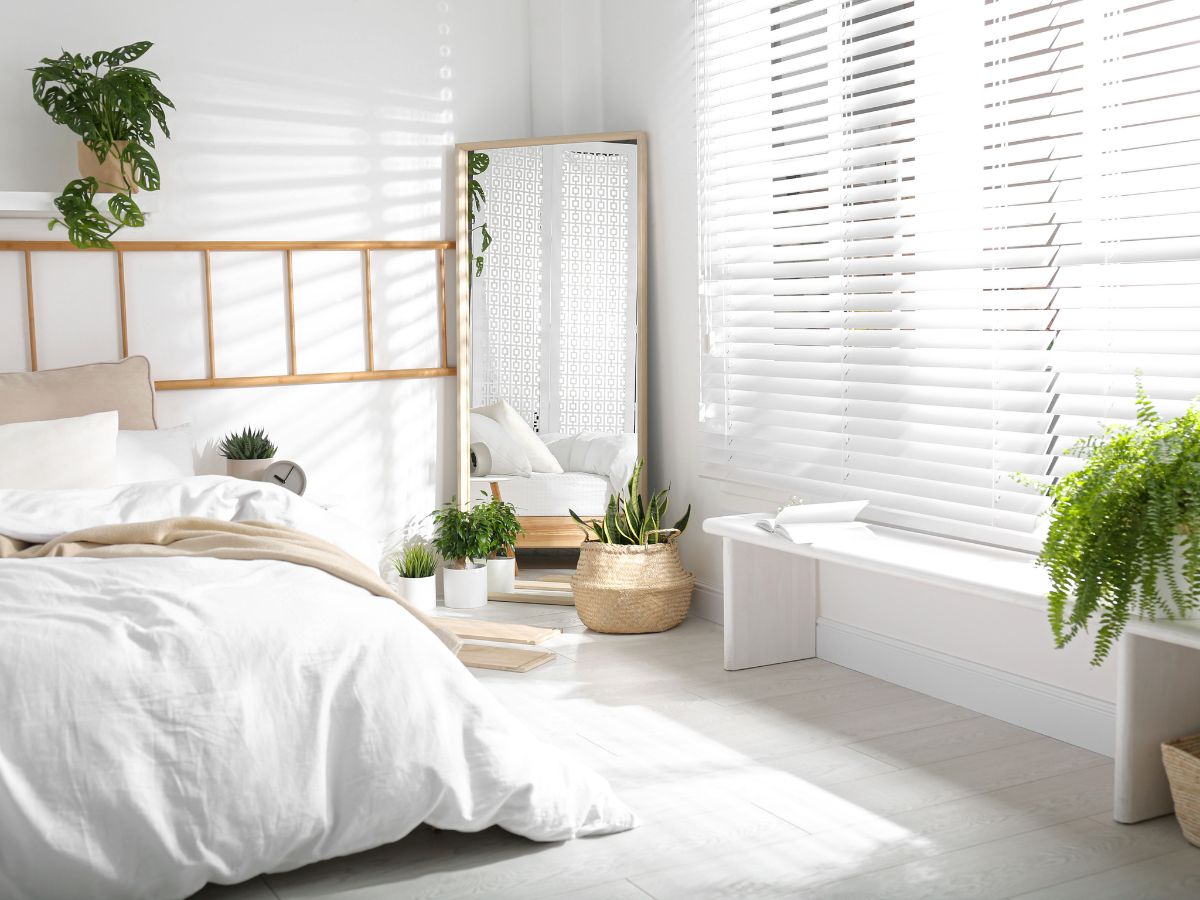
One of the easiest ways to brighten a room is to place a mirror where it can reflect natural light. Consider installing a large rectangular mirror opposite or beside a window. This helps redirect daylight toward darker areas and makes the room feel more open. Before installation, check the reflection from different angles to ensure it captures an attractive view rather than an unwanted part of the room.
2. Choose Larger Mirrors for Greater Impact
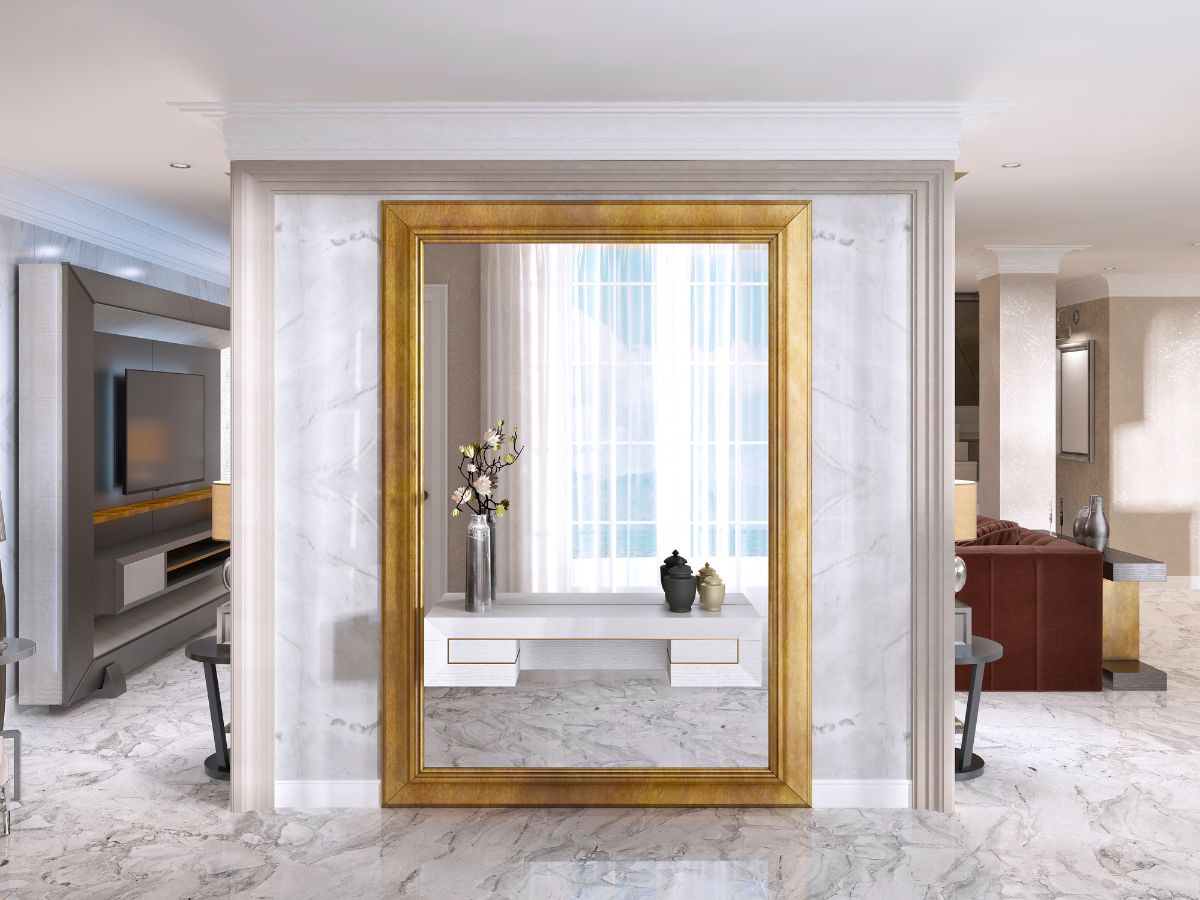
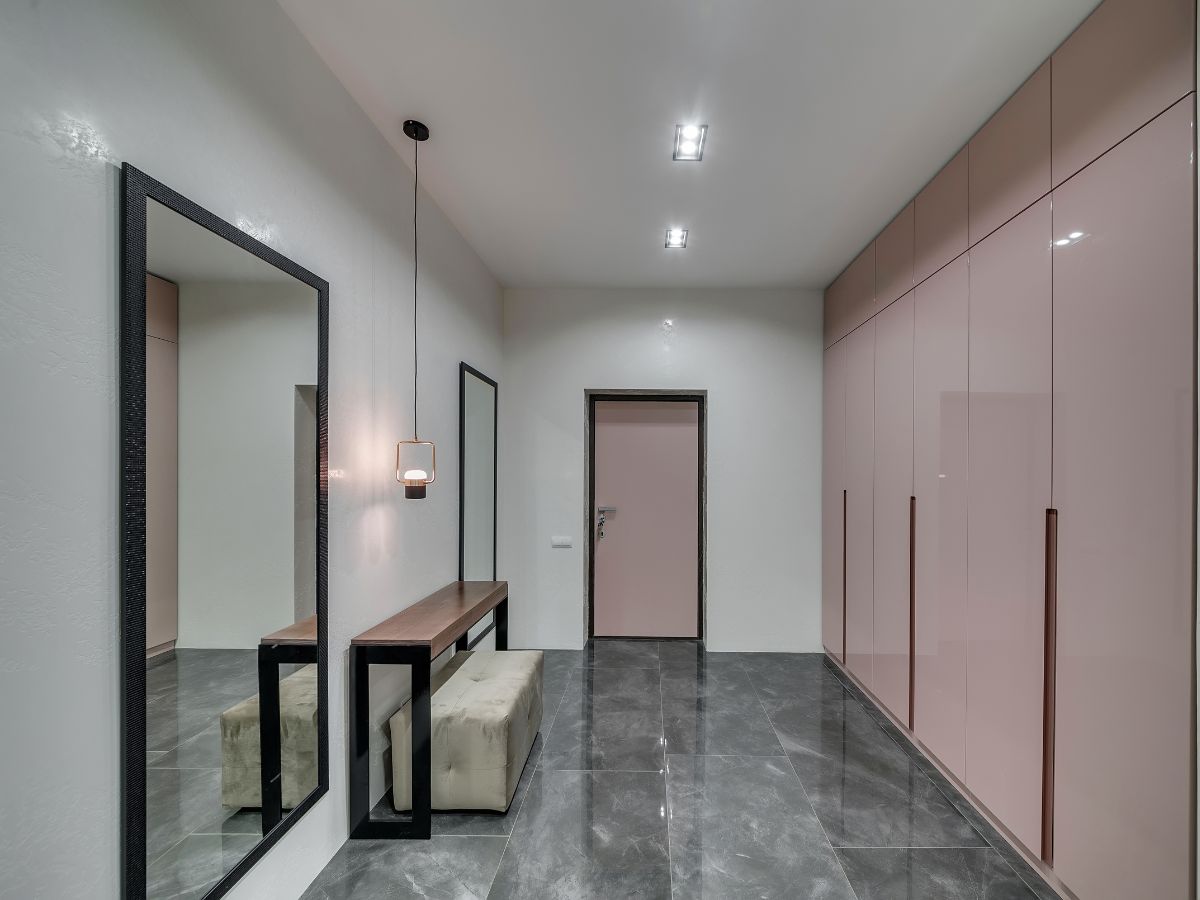
A small mirror can add a decorative touch, but a larger mirror often makes a stronger visual impact. Oversized mirrors work particularly well in living rooms, dining areas, and narrow hallways. They reflect more of the surrounding space and create a greater sense of depth. Choose dimensions that complement the wall and nearby furniture.
3. Use Custom-Sized Mirrors for a Perfect Fit
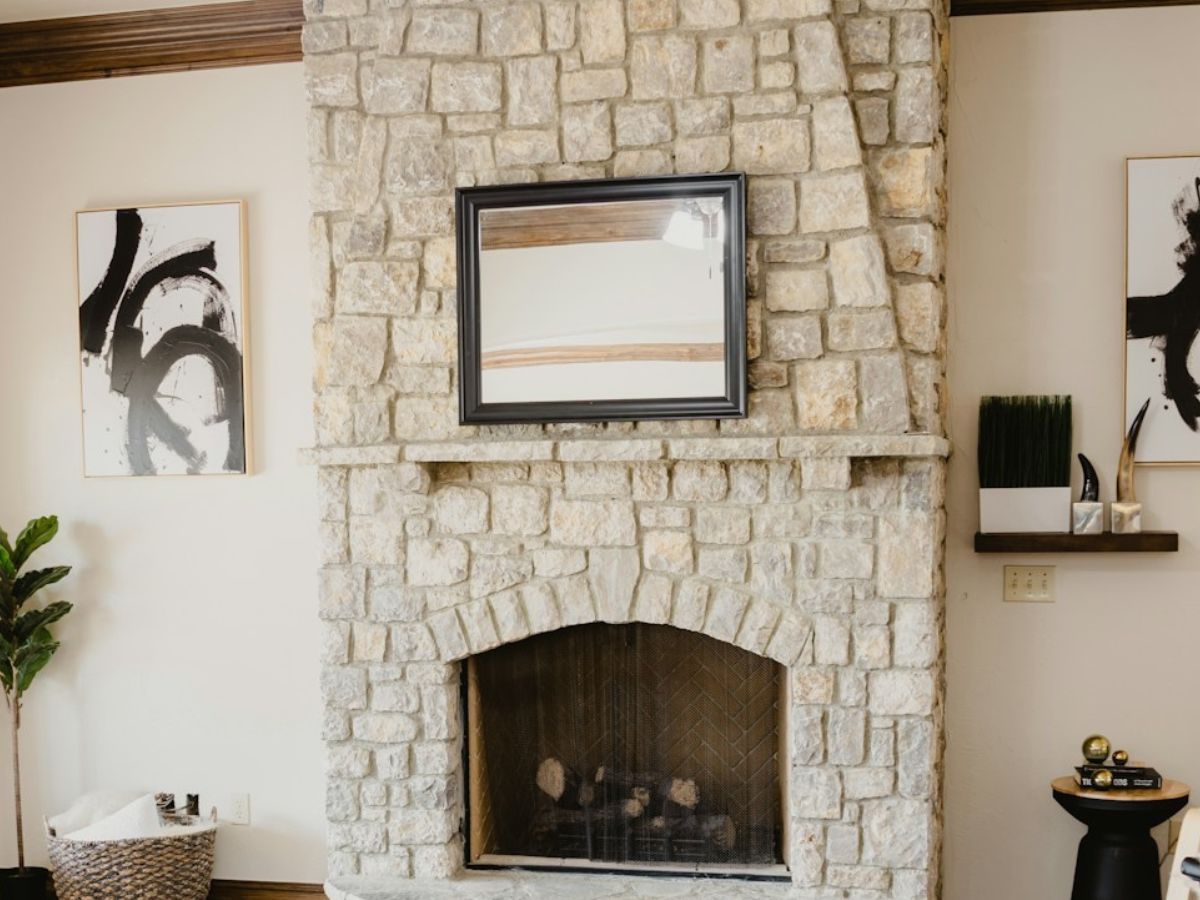
Every room has different dimensions and design requirements. Custom-sized mirrors allow designers and homeowners to make better use of available wall space. A custom rectangular mirror can fit above a long console, while a square mirror can create a balanced focal point above a fireplace or sideboard. Tailored dimensions also help achieve a cleaner, more intentional finish.
4. Select Frames That Complement the Interior
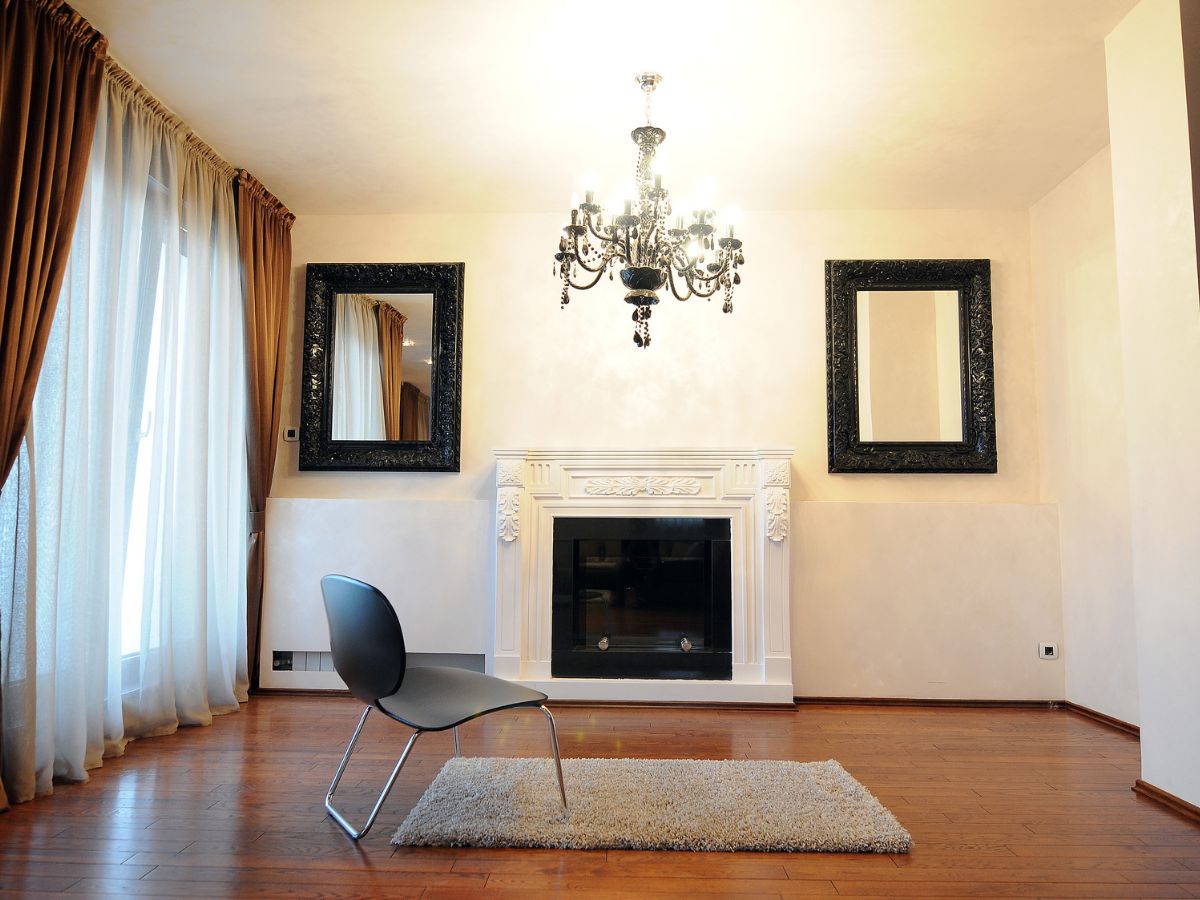
A mirror frame can influence the entire look of a room. Thin black or metallic frames work well in contemporary interiors, while natural wood frames bring warmth to traditional and rustic spaces. Choose framed mirrors that coordinate with furniture, lighting, and other decorative details. The right frame adds character without making the room feel crowded.
5. Brighten Dark Corners and Hallways
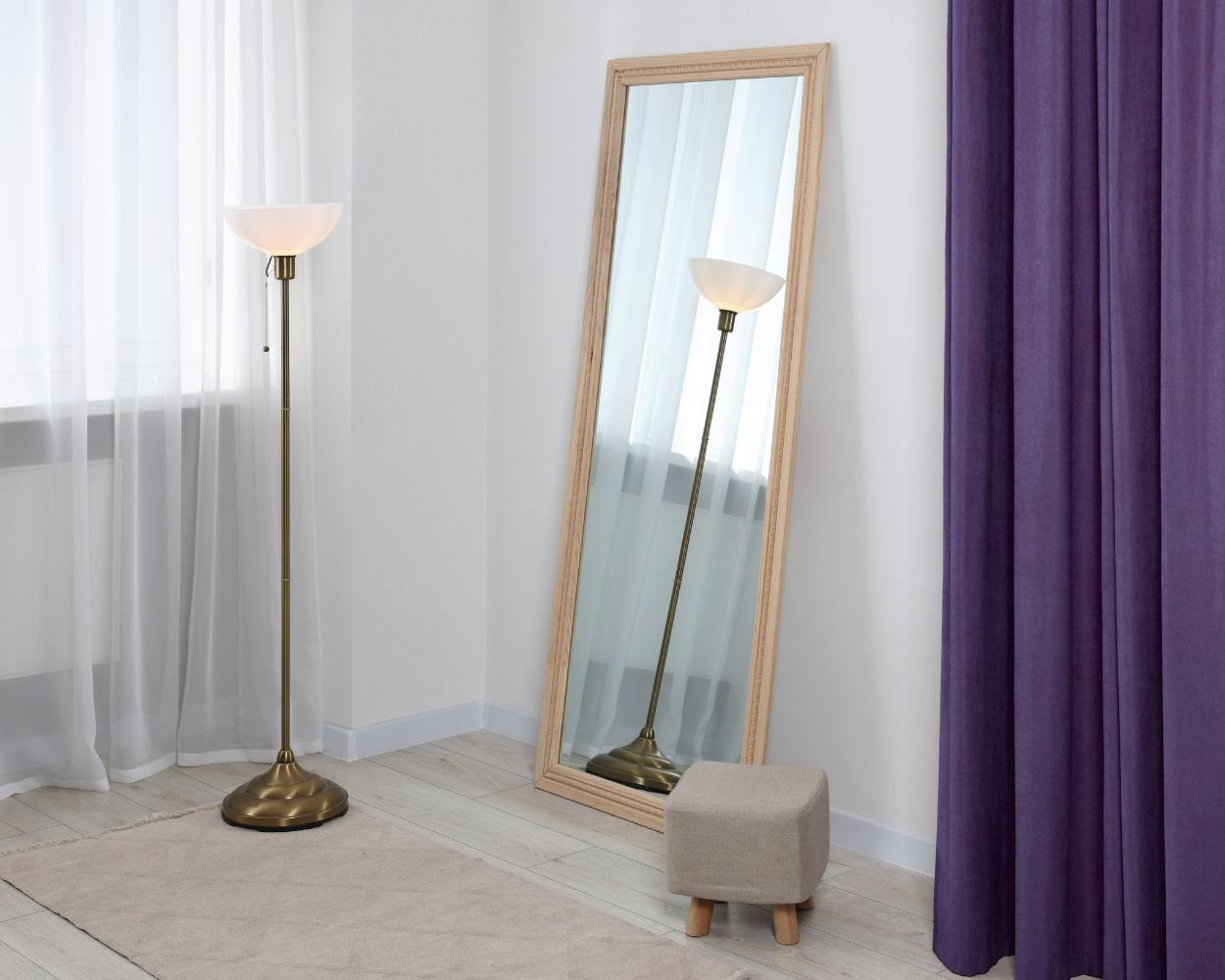
Hallways, entryways, and rooms with limited windows often need extra attention. Place a mirror near an existing light source to help distribute light into these areas. A tall mirror can also make a narrow hallway feel less confined. For darker corners, position the mirror to reflect a nearby lamp or another bright part of the room.
6. Reflect Attractive Design Features
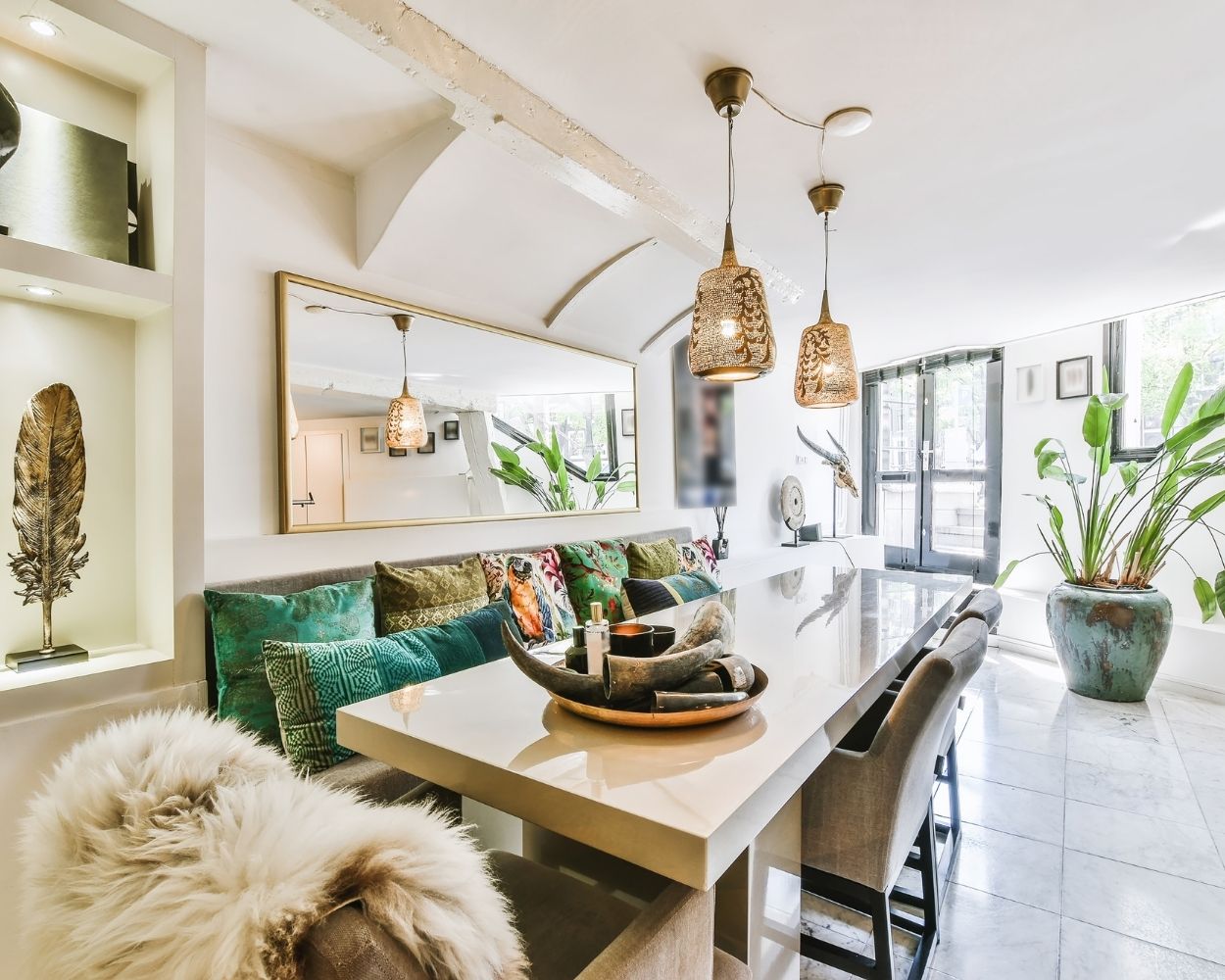
Remember that mirrors reflect whatever is in front of them. Use this to your advantage by positioning mirrors to capture artwork, indoor plants, architectural details, or attractive furniture arrangements. This creates visual interest while making the room feel more connected. Avoid reflecting cluttered shelves or busy areas that could make the interior feel less organized.
7. Combine Mirrors with a Thoughtful Lighting Plan
Mirrors work best when they complement other lighting choices. Combine natural daylight with table lamps, wall sconces, and ceiling fixtures to create a balanced atmosphere throughout the day. A mirror positioned near a well-shaded lamp can spread its warm glow across the room. Keep mirror surfaces clean so they can reflect light clearly.

Make Every Reflection Count
A well-placed mirror can do more than complete a room’s decor. It can improve light distribution, create visual depth, and highlight the best features of an interior. For designers, builders, and remodeling professionals, framed, custom-sized mirrors offer flexibility in both appearance and function.
The secret is to consider the room’s layout, lighting, and available wall space before choosing a mirror. With the right size, frame, and placement, you can create interiors that feel brighter, more welcoming, and thoughtfully designed.