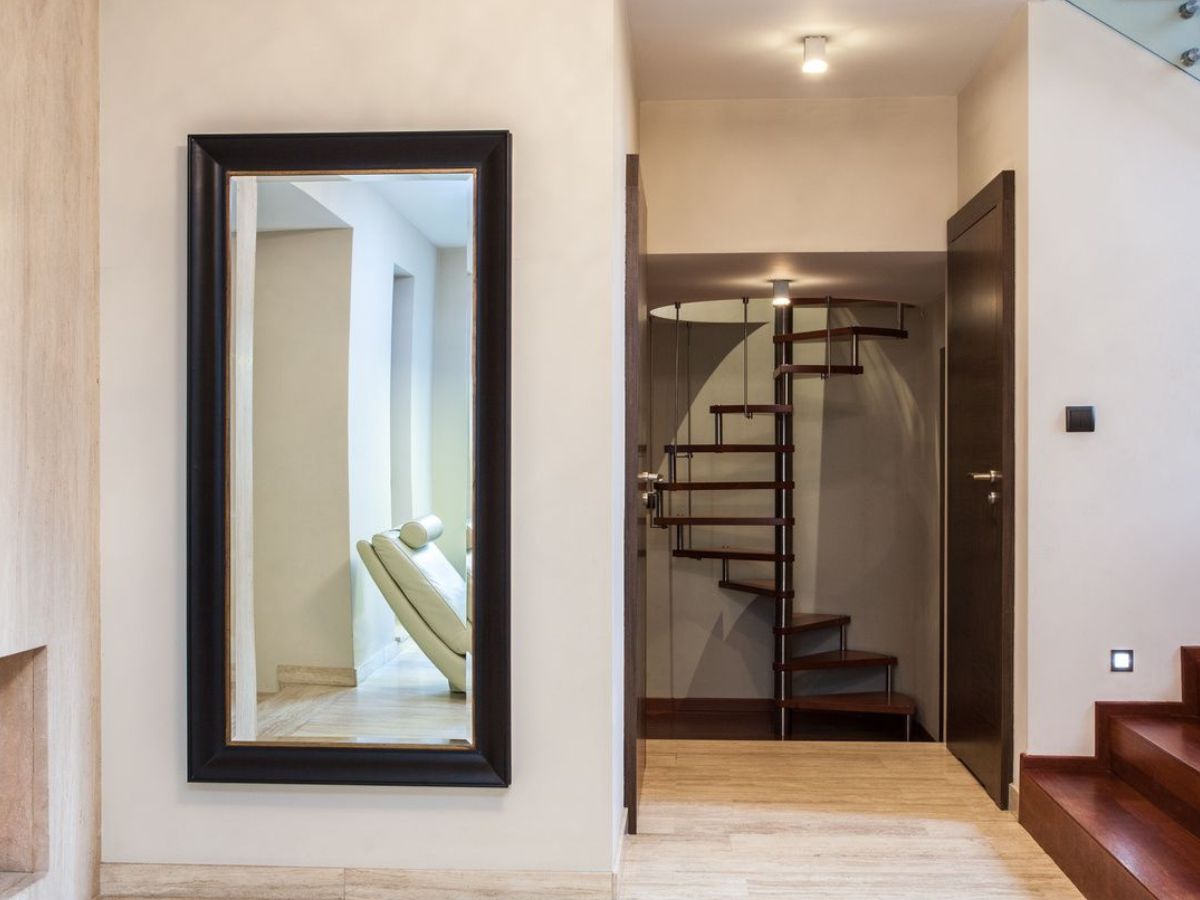
How to Place Mirrors in Every Room: 6 Tips
Mirrors are among the most versatile tools in interior design. Used strategically, they can reflect natural light, create the illusion of greater space, highlight architectural details, and bring balance to a room. But simply adding a mirror to an empty wall is not enough. Placement, proportion, orientation, and frame style all influence the final result.
1. Start With Natural Light
One of the most effective ways to use a mirror is to position it where it can reflect natural light. Placing a mirror opposite or near a window can help distribute daylight throughout the room and make darker areas feel brighter.
In living rooms, bedrooms, and dining areas, a large framed mirror can also reflect an attractive view or architectural feature. Avoid positioning it where it reflects clutter, an unattractive wall, or something you would rather not emphasize.
2. Make Small Spaces Feel Larger
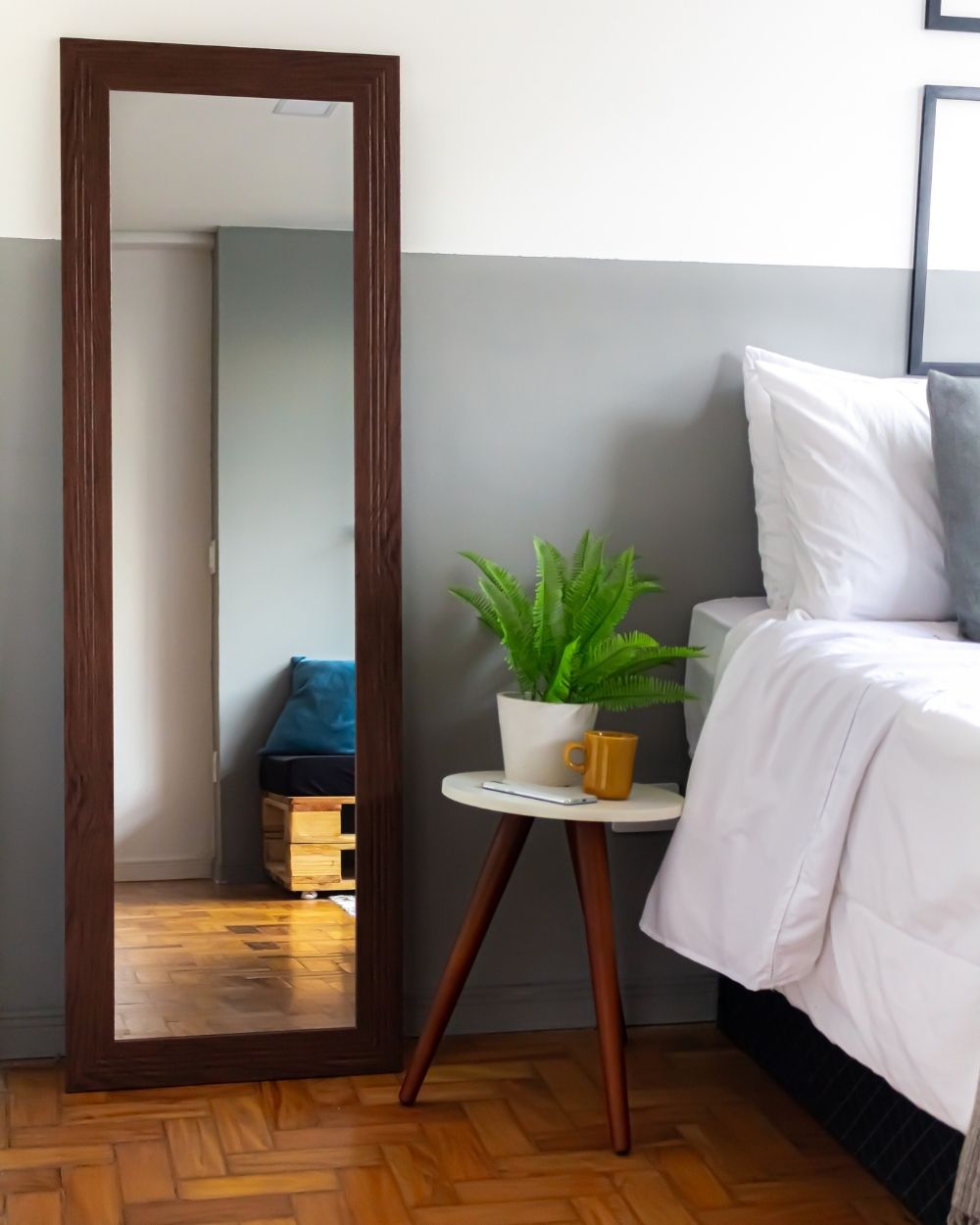
Mirrors are particularly useful in compact rooms, narrow hallways, and smaller entryways. A strategically placed rectangular mirror can create additional visual depth and make the area appear more open.
For a more polished result, consider a custom-sized framed mirror. Custom dimensions allow the mirror to fit the wall precisely instead of forcing the design around a standard size.
3. Create a Focal Point
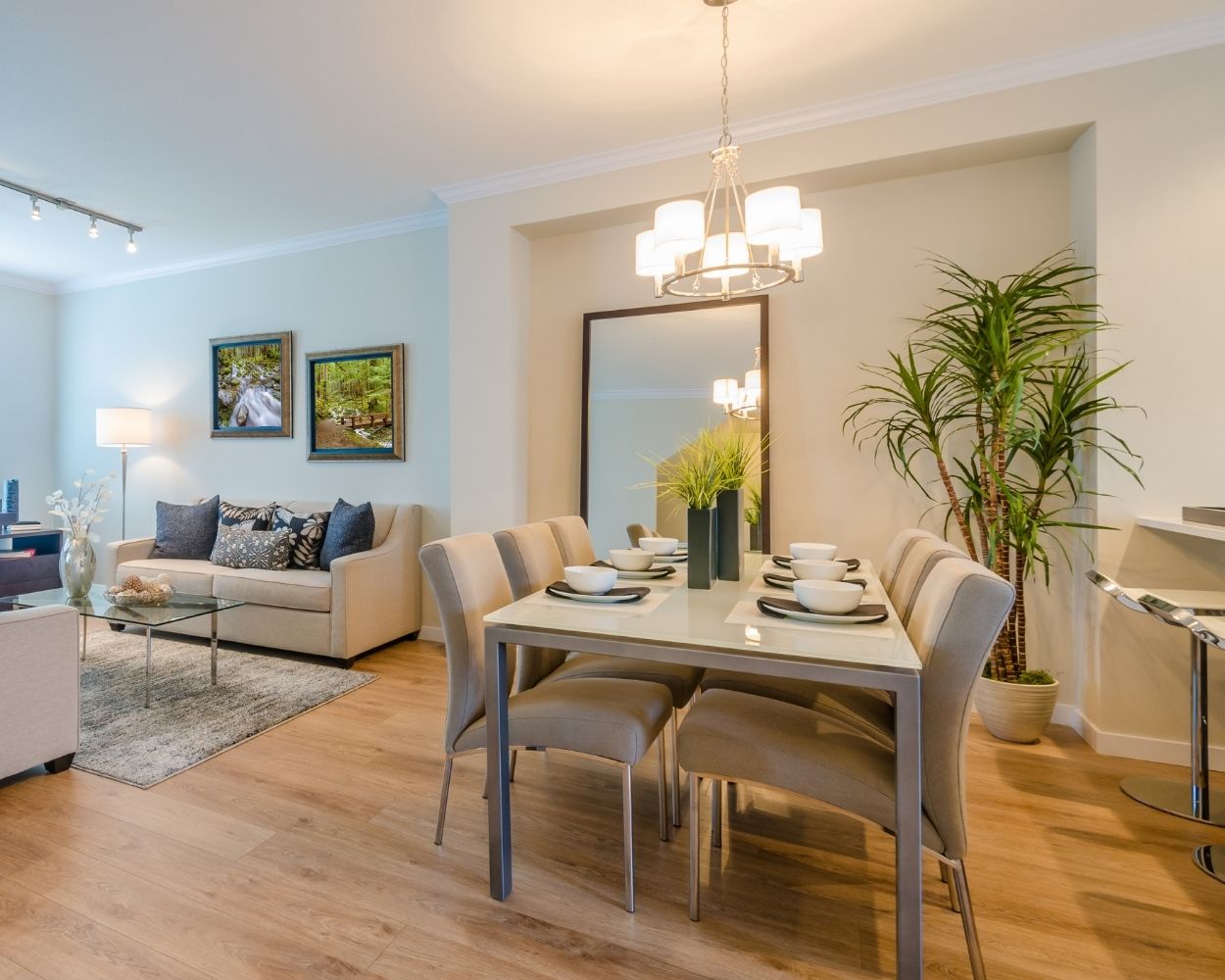
A mirror can also function as artwork. Consider placing a substantial framed mirror above a fireplace, console table, sideboard, or dining room buffet.
The frame becomes an important part of the composition. Wood can add warmth, while black, metallic, or painted finishes can reinforce a contemporary or traditional design scheme. For professional projects, coordinate the frame with existing cabinetry, lighting, hardware, and furniture.
4. Think About Bathrooms Differently
In bathrooms, mirror placement needs to balance aesthetics with everyday function. A mirror should work comfortably with the vanity, faucet, backsplash, and lighting plan.
Custom-sized framed mirrors are especially useful when working around wall sconces, double vanities, unusual wall dimensions, or architectural details. Planning the mirror and lighting together can create a much more cohesive vanity wall.
5. Don’t Forget the Entryway
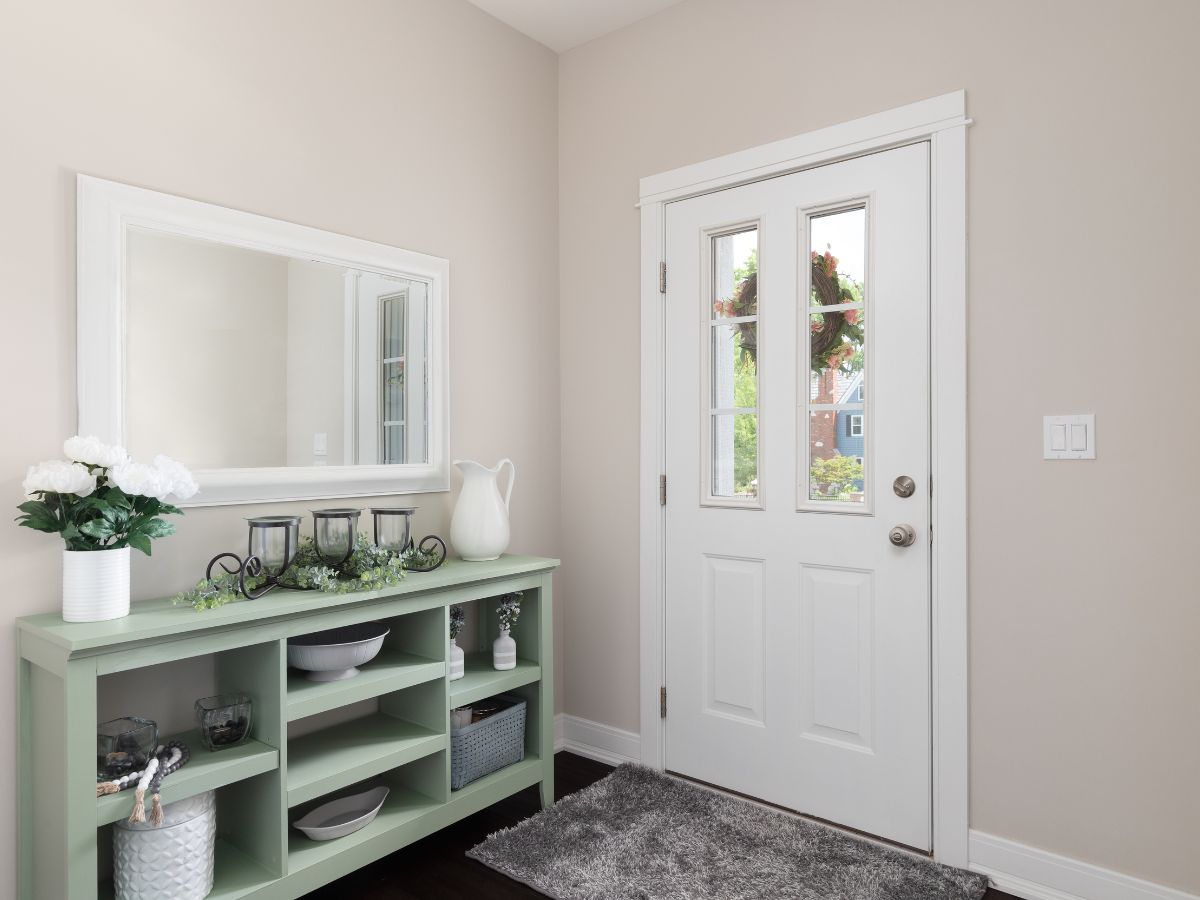
The entryway is an ideal location for a mirror because it combines practical and decorative functions. A well-positioned framed mirror above a console can make the entrance feel brighter while providing a convenient reflection before leaving the house.
6. Design With Intention
The best mirror placement is never random. Consider what you want the mirror to reflect, how much light it can capture, the scale of surrounding furniture, and how its shape complements the architecture.
For designers and remodeling professionals, custom-sized framed mirrors offer greater control over proportion and placement. When carefully specified, a mirror becomes an integral part of the interior design.