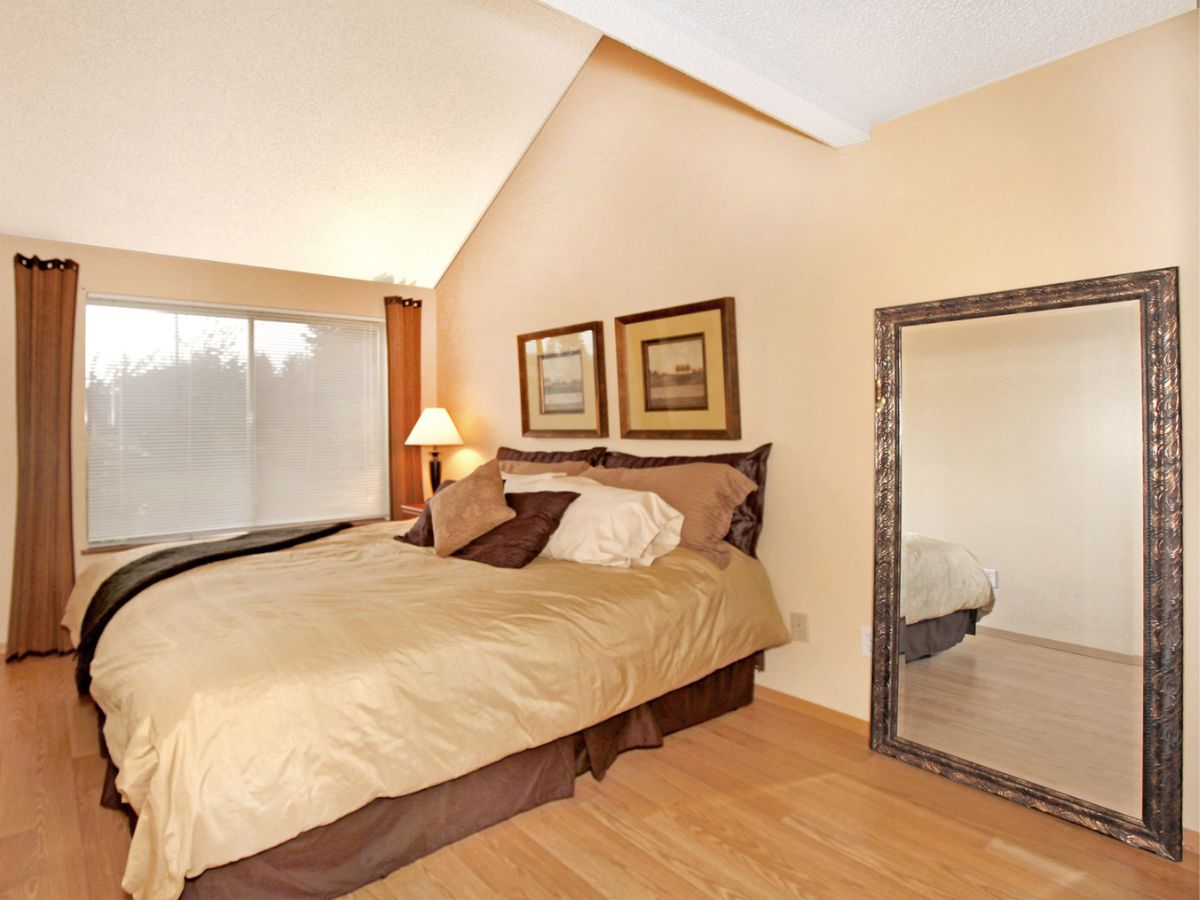
Where to Place a Floor Mirror in a Bedroom
A floor mirror is one of the most versatile elements in bedroom design. It adds function, reflects light, and can visually expand the space. However, placement matters. Beautifully styled bedrooms lose balance simply because a floor mirror was placed without a clear purpose.
Here’s how professionals determine the best placement for a floor mirror in a bedroom and how to avoid common mistakes.
1. Near the Closet or Dressing Area
The most practical place for a floor mirror is near the closet or dressing area. This allows the mirror to serve its primary function without disrupting the room’s visual flow. Placing the mirror adjacent to the closet or wardrobe makes daily routines easier and keeps the rest of the bedroom feeling calm and uncluttered.
Rectangular floor mirrors work especially well here, offering full-body reflection while reinforcing vertical lines. For custom homes or remodels, designers often specify custom-sized mirrors to align with closet doors or built-in cabinetry.
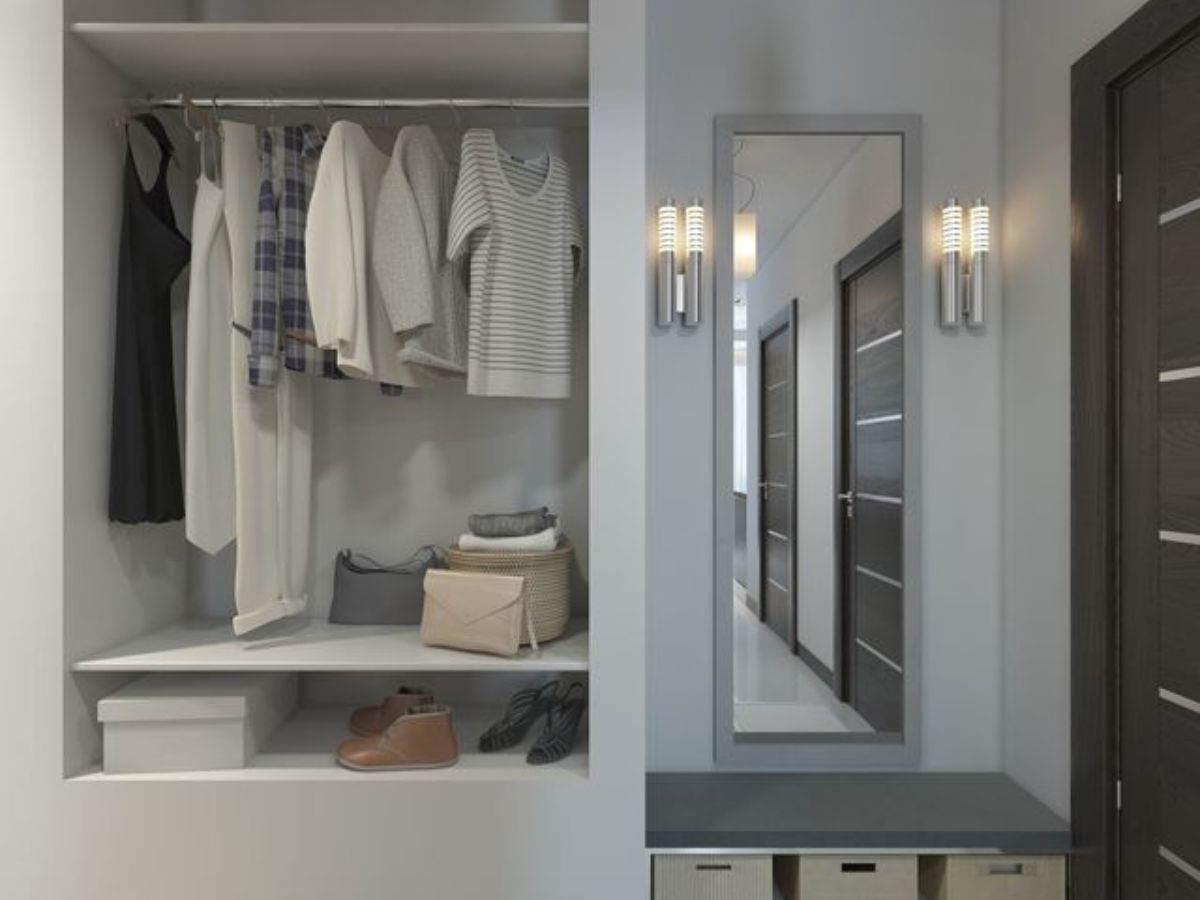
MAL-0372 Silver Framed Mirror for Bedroom
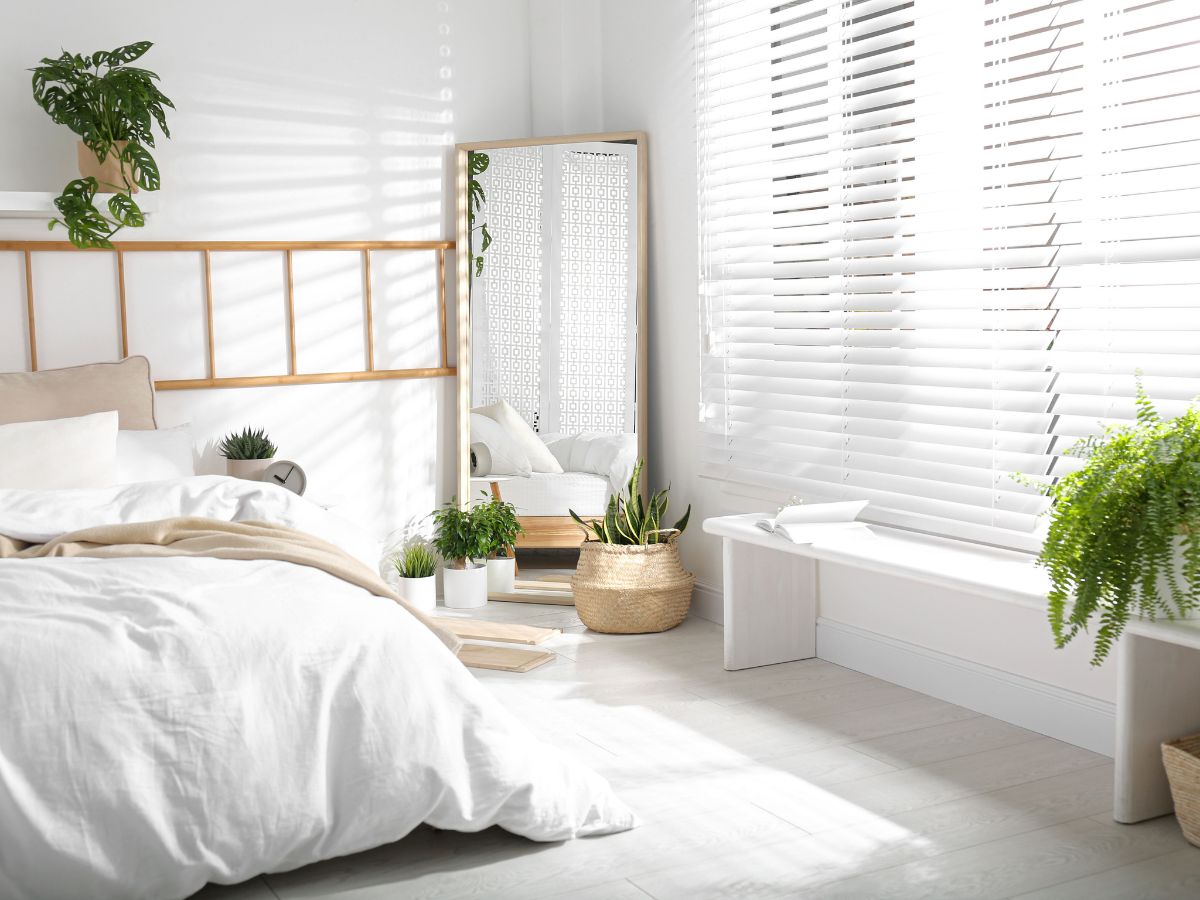
2. Along a Wall That Receives Natural Light
Floor mirrors placed near windows can significantly brighten a bedroom. When positioned perpendicular to a window, the mirror reflects natural light without creating glare. This makes the room feel larger and more open, especially in smaller bedrooms.
Avoid placing a mirror directly opposite a window if it creates harsh reflections. The goal is to soften and distribute light, not bounce it aggressively across the space.
Framed mirrors help control this effect, adding visual structure and grounding the reflection.

MAL-1302 Silver Framed Mirror for Bedroom
3. Leaning Against a Wall for a Relaxed Look
Leaning floor mirrors are popular in contemporary and transitional bedrooms. This placement feels casual and layered, especially when the mirror is framed and scaled properly.
A leaning mirror works best when placed against a solid wall with enough surrounding space to breathe. Designers avoid tight corners or high-traffic areas, which can make the mirror feel like an afterthought or pose a safety concern.
For a more polished look, the mirror can still be secured discreetly to the wall.

MAL-0387 Gold Framed Mirror for Bedroom
4. Avoid Facing the Bed Directly
From both a design and comfort standpoint, placing a floor mirror directly facing the bed is often discouraged. Visually, it can feel distracting and create unnecessary movement in the room. Functionally, it may disrupt rest by reflecting light or motion.
Instead, angle the mirror slightly or position it where the bed is not the primary reflection. This helps maintain a sense of calm, which is essential in a bedroom environment.
MAL-0393 Brown Framed Mirror For Bedroom
5. Use the Mirror to Complete the Room
A floor mirror should feel intentional, not like leftover décor. Designers use mirrors to balance furniture arrangements, fill vertical wall space, or complement architectural features.
In larger bedrooms, a tall mirror can visually anchor a seating area or dresser wall. In smaller rooms, it can replace artwork while still serving a functional role.
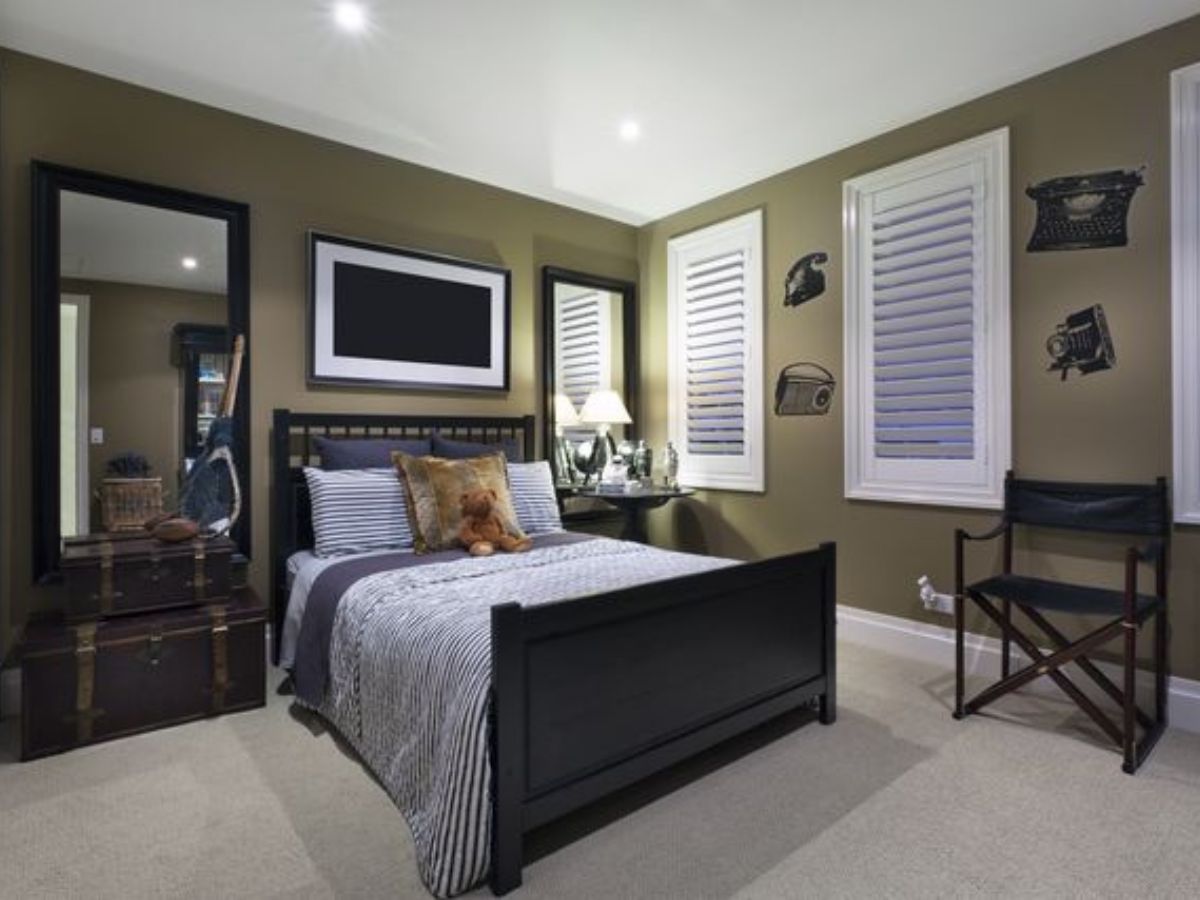
MAL-0914 Black Framed Mirror For Bedroom
The right placement of a floor mirror enhances both form and function. When positioned thoughtfully, a floor mirror supports daily routines, reflects light beautifully, and adds depth to the bedroom design. Mirror placement is a subtle but powerful tool that elevates the entire space without adding clutter.