6 Interior Stylist-Approved Mirror Ideas for Your Home
Mirrors are one of the most underrated tools in interior design. When used thoughtfully they amplify light, create depth, balance composition, and act as art. Interior stylists and pro designers use mirrors strategically to make spaces feel bigger, brighter, and more intentional. Here are six mirror ideas that go beyond simple function and help you elevate your designs in homes and remodels.
1. Make Light Work for You
One of the most powerful ways to use mirrors is to bounce light around a room. Placing a large framed, custom-sized mirror opposite or adjacent to a window captures daylight and distributes it deeper into the space, brightening even darker corners. This isn’t just a stylist trick; it’s a design solution for spaces lacking natural light. Professionals know that even artificial light reflects better with thoughtful mirror placement, reducing the need for extra fixtures.
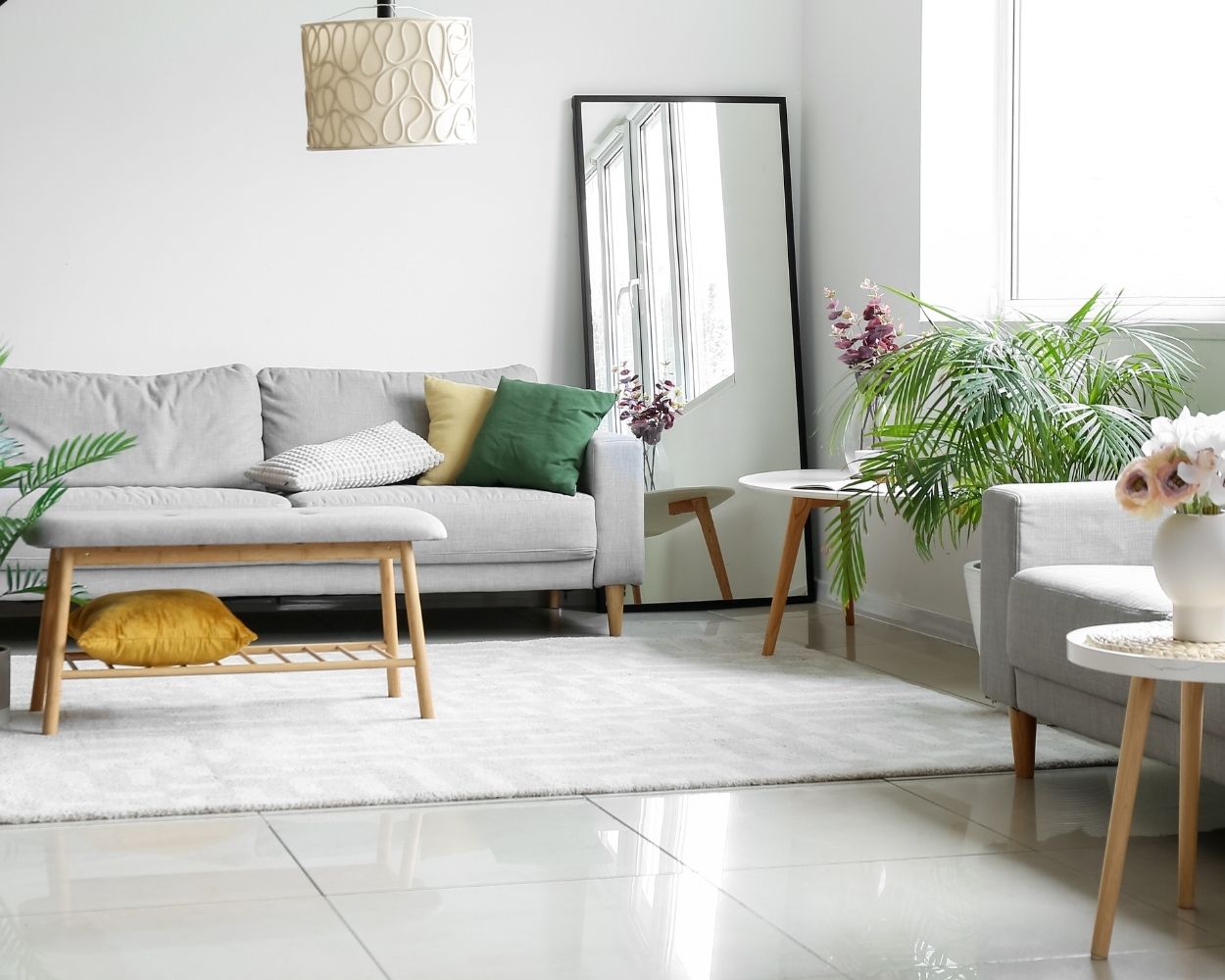
Stylist tip: Aim for a mirror roughly two-thirds the width of the furniture or wall beneath it. This helps balance proportions and enhances the reflective effect without overwhelming a room.
2. Create the Illusion of Space
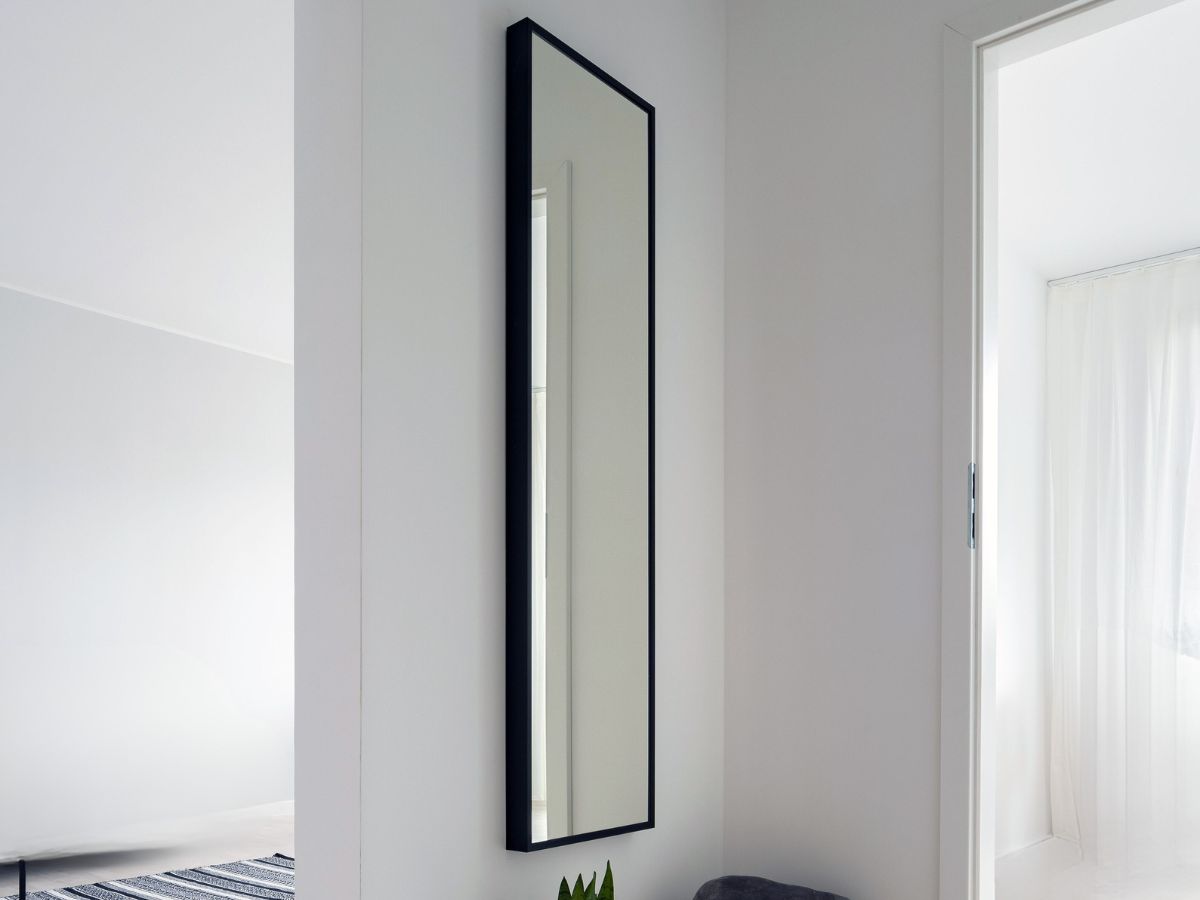
Mirrors can trick the eye. In small rooms or narrow hallways, a large square or rectangular mirror can visually double the space. Stick mirrors across from doorways, at the end of halls, or above vanities to create the appearance of breadth and depth. This illusion is especially effective when paired with framed mirrors sized precisely for the wall’s dimensions.
3. Anchor a Focal Point
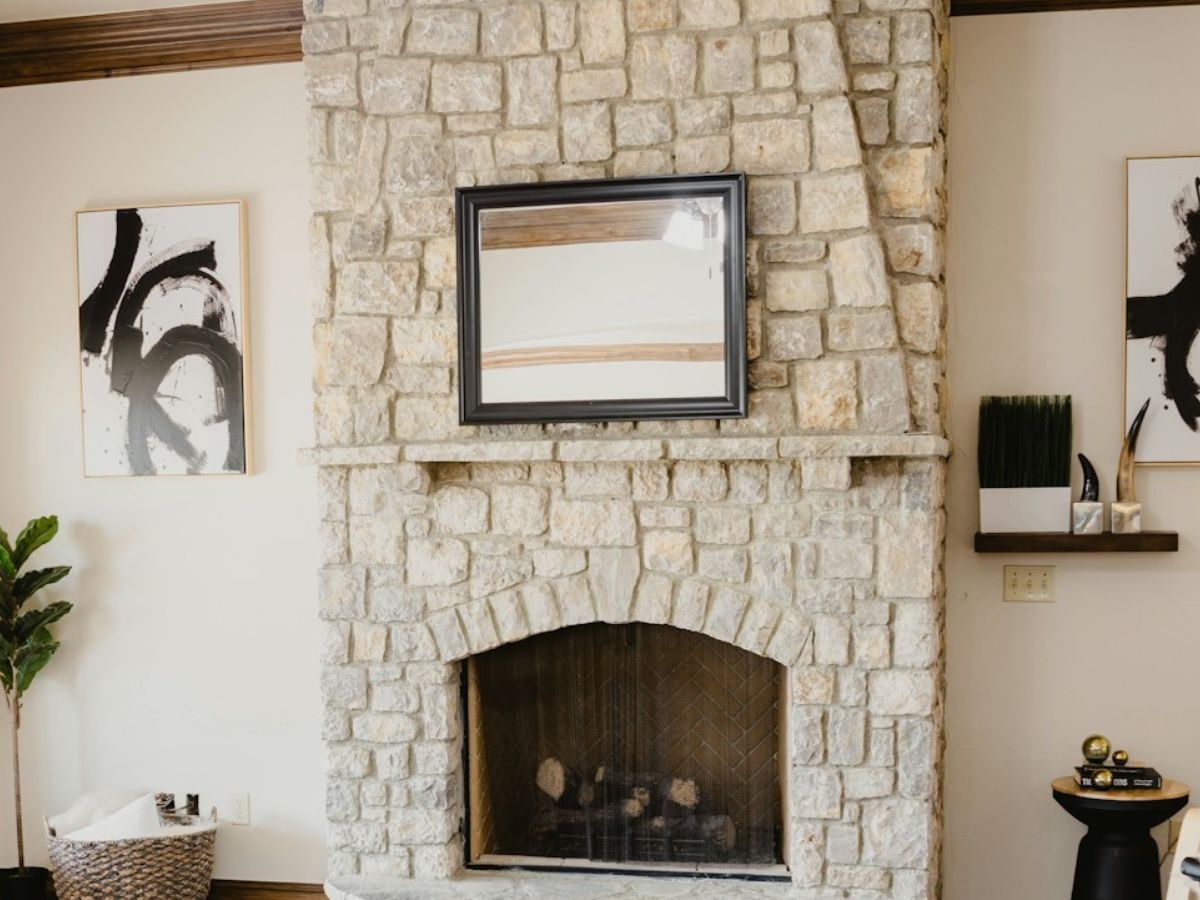
A custom-sized mirror above a fireplace, console table, or bed can act like artwork. Designers often use a mirror as a centerpiece that captures light, anchors the space, and complements surrounding décor. Choosing a frame that matches your palette such as black for modern minimalism or brown for warmth reinforces your design direction.
4. Build Mirror Grids for Dimensional Impact
If you’re designing a statement wall, mirror grids are trending. Arranging multiple square or rectangular mirrors in a grid pattern creates architectural interest and breaks up blank walls with rhythm and depth. Recent design trends show mirror walls gaining popularity in residential spaces, with installations up significantly year over year.
5. Layer with Decor for Style and Depth
Don’t let mirrors float alone. Pair them with wall sconces, artwork, plants, or tabletop décor to create visual layers. A framed mirror flanked by lighting not only increases reflected light but also forms a cohesive vignette. Layering adds richness and prevents mirrors from feeling isolated or flat.

6. Reflect Views and Enhance Scenes
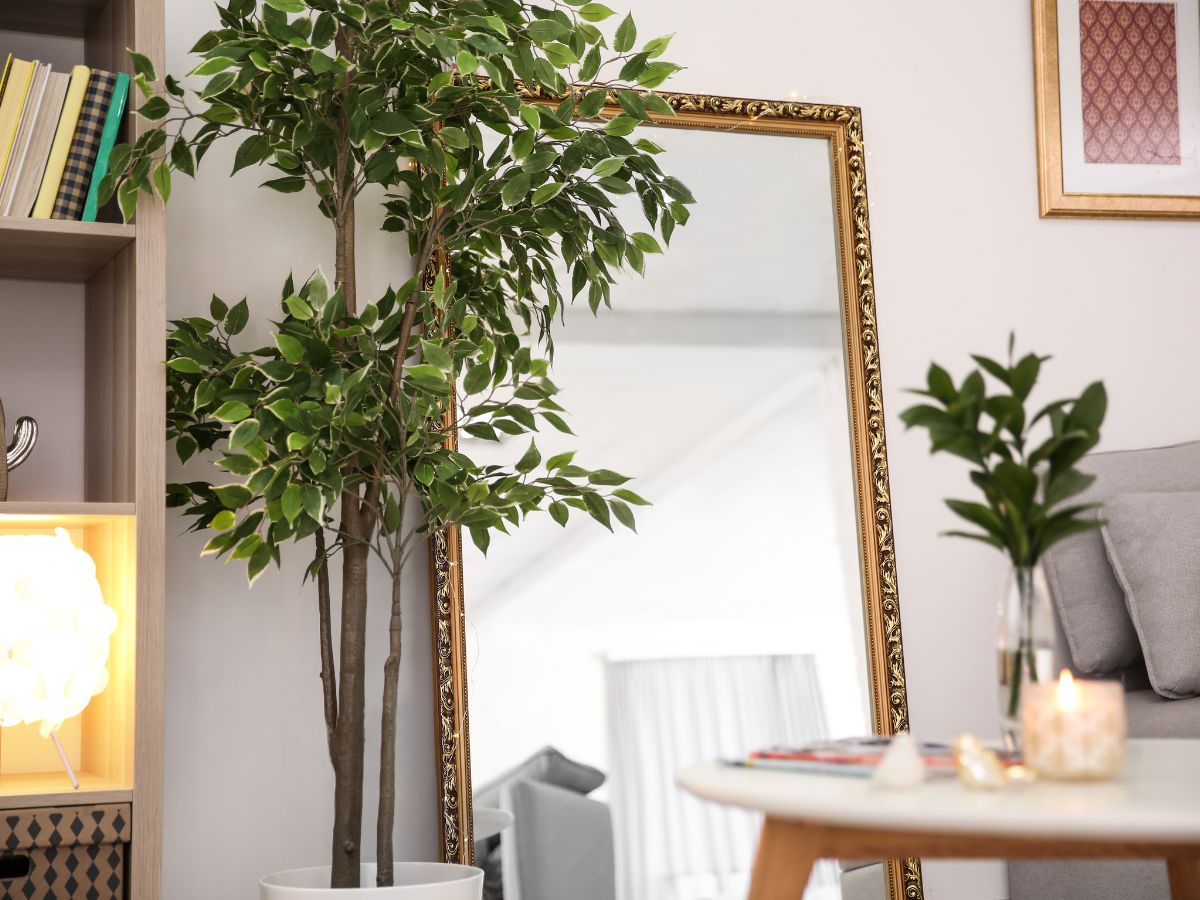
A mirror’s reflection should be intentional. Instead of reflecting clutter or blank walls, aim mirrors toward positive elements like greenery, art, or architectural features to increase the narrative quality of your space. Designers emphasize that mirror placement should avoid highlighting unattractive or chaotic areas, because a mirror highlights whatever is in front of it.
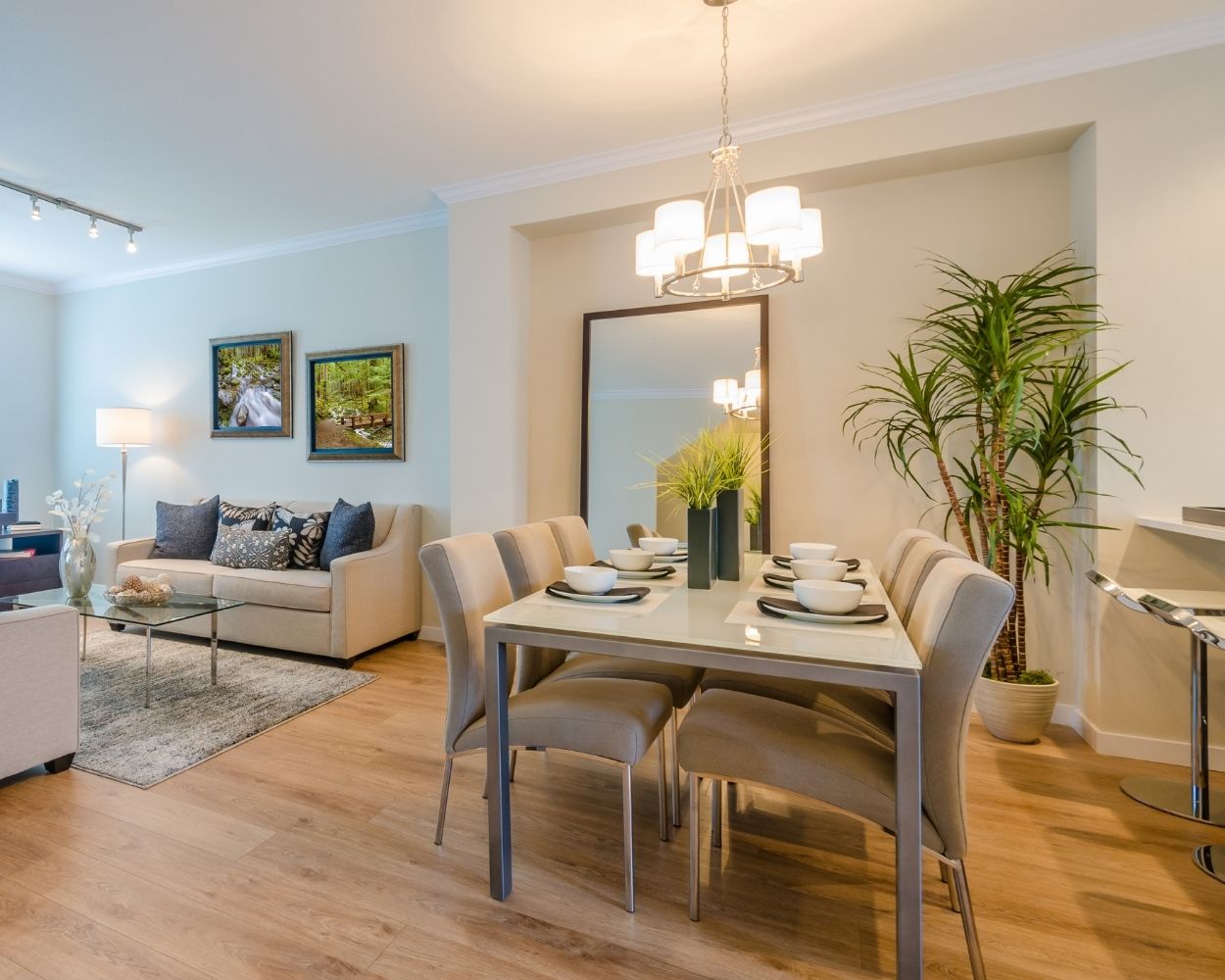
MAL-0698 Black Framed Mirror For Dining Room
Mirrors are reflective surfaces and design multipliers. Framed, custom-sized mirrors add light, space, balance, and style in ways that other décor elements cannot. Whether you’re planning a remodel, staging a new build, or refining a living space, these mirror ideas help you achieve intentional design that feels bigger and brighter.