How to Choose the Perfect Full-Length Mirror: Expert Tips and Styles
A full-length mirror is one of the most practical design elements you can specify in a space. It serves a clear function, but it also plays a major role in how a room feels. When chosen well, it can improve light, expand visual space, and add structure to the overall design.
For interior designers, remodeling companies, and builders, selecting the right full-length mirror comes down to a few key decisions.
Start with size.
This is where most mistakes happen. A full-length mirror should allow a complete head-to-toe view without forcing the user to step too far back. In most cases, that means a height of at least 60 inches, though taller is often better for both function and visual impact.
Width also matters. A narrow mirror may work in tight spaces, but wider options tend to feel more substantial and balanced, especially in larger rooms.
Custom-sized mirrors are often the best solution. They allow you to match the mirror exactly to the wall dimensions and surrounding elements, avoiding awkward gaps or undersized pieces.

Next, consider placement.
Full-length mirrors work best in bedrooms, dressing areas, entryways, and even walk-in closets. The goal is to place them where they are both functional and visually effective.
Positioning a mirror near natural light sources can enhance brightness and make the room feel larger. At the same time, avoid placing mirrors where they reflect clutter or poorly designed areas, as this can reduce the overall impact.
Now let’s talk about style.
Framed mirrors are typically the preferred choice for residential and high-end projects. A frame adds definition and helps integrate the mirror into the design. It also allows you to connect with other materials in the space, such as wood finishes, metal fixtures, or architectural details.
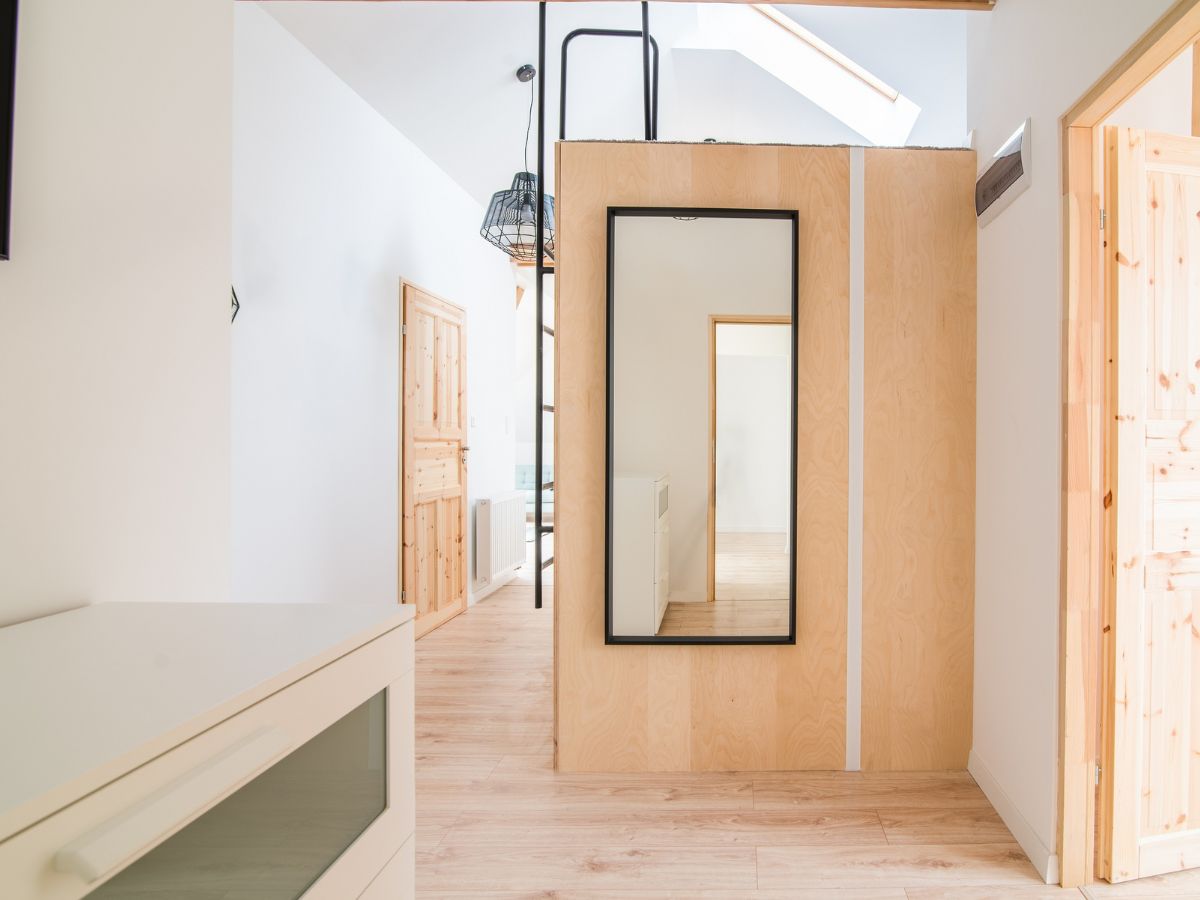
For example, a slim black frame can reinforce a modern aesthetic, while a wood frame can add warmth and texture. The key is to keep the frame proportional to the mirror size and the room.
Frameless mirrors still have their place, particularly in minimalist or commercial settings. However, they require careful placement and strong surrounding elements to avoid feeling too plain.

Installation is another factor to consider.
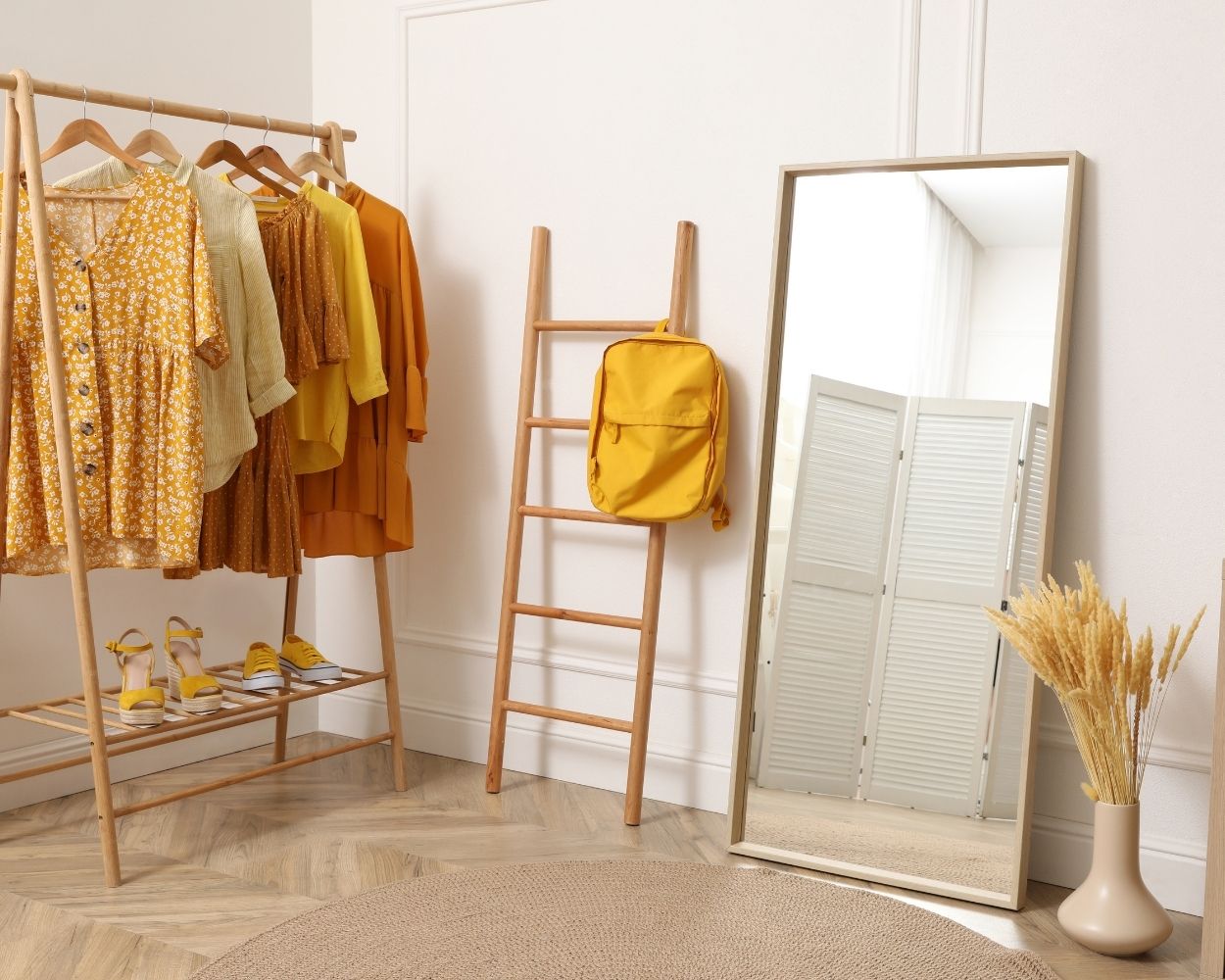
Full-length mirrors can be wall-mounted or leaned against a wall. Mounted mirrors provide a more permanent and polished look, which is often preferred in completed projects. Leaning mirrors offer flexibility and are useful for staging or spaces that may change over time.
Durability should not be overlooked.
High-quality glass with minimal distortion is essential, especially for mirrors used daily. In addition, framed mirrors can help protect the edges, reducing the risk of damage over time.
Finally, think about the mirror as part of the overall design.
It should align with furniture, lighting, and architectural lines. When a mirror is properly sized and positioned, it feels like an integrated feature rather than an afterthought.
The best full-length mirrors combine proper scale, clear reflection, and thoughtful design. Framed, custom-sized mirrors consistently deliver the most reliable results because they offer both flexibility and a refined, finished look.