Pros and Cons of Framed Mirrors: What Designers Need to Know
Framed mirrors are one of the most widely used elements in interior design. They show up in bathrooms, entryways, bedrooms, and commercial spaces for a reason. They offer both function and visual structure. But like any design choice, they come with trade-offs.
If you’re specifying mirrors for a project, it’s worth understanding both sides before making the call. Let’s start with the advantages.
The biggest benefit of framed mirrors is definition.
A frame gives the mirror a clear boundary. This helps anchor it within the space, especially when paired with vanities, consoles, or feature walls. Without a frame, mirrors can sometimes feel like they blend too much into the background.
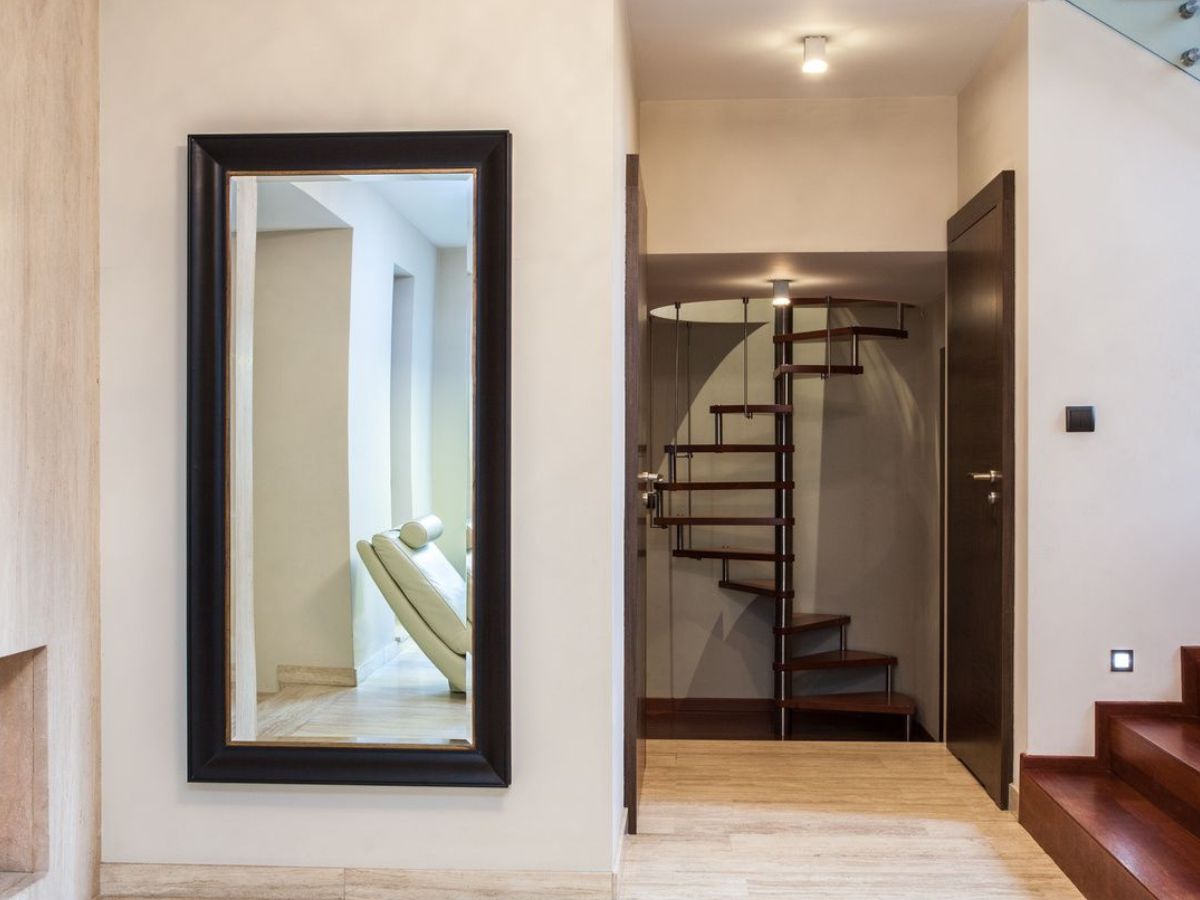
This is why framed, custom-sized mirrors are often the preferred choice in residential and high-end projects. They align with architectural lines and create a more intentional, built-in look.

Another advantage is design flexibility.
Frames allow you to introduce or reinforce materials and finishes. A black frame can connect with fixtures and lighting. A wood-toned frame can add warmth and soften a modern space. This makes it easier to create a cohesive design language across the room.
Durability is another strong point.
Framed mirrors tend to protect the edges of the glass, which are the most vulnerable areas. In high-moisture environments like bathrooms, this can reduce the risk of edge corrosion over time. Proper edge sealing and protection significantly extend mirror lifespan in humid conditions.

Now let’s look at the downsides.
Cost is the most obvious one.
Framed mirrors, especially custom-sized options, are more expensive than standard frameless mirrors. You’re paying for additional materials, craftsmanship, and often more complex installation.
For large-scale projects or budget-sensitive builds, this can add up quickly.
Next is visual weight.
While frames add structure, they can also make a space feel heavier if not chosen carefully. Thick or overly decorative frames can overwhelm smaller rooms or conflict with a clean, modern design.
This is why proportion and material selection matter. A slim, well-finished frame usually performs better than something bulky or overly detailed.
Maintenance is another consideration.
Frames, especially wood ones, require upkeep. In bathrooms, exposure to moisture can lead to warping or wear if the material is not properly sealed. Even metal frames may require occasional cleaning to maintain their finish.
Research on indoor environmental conditions also highlights how humidity affects material performance, particularly in enclosed spaces like bathrooms.
Finally, installation can be more involved.
Framed mirrors are typically heavier and require secure mounting. This is not a major issue for professionals, but it does add time and planning compared to simpler mirror installations.
Framed mirrors offer strong visual impact, better durability, and greater design flexibility. They work especially well when custom-sized to fit the space precisely. However, they come with higher costs, added weight, and the need for careful material selection.
For designers and builders, the decision comes down to the project goals. If the aim is a polished, cohesive, and long-lasting result, framed mirrors are often worth the investment.