5 Things to Consider Before Buying a Dining Table
A dining table is more than a place to enjoy meals. It is where families gather, guests connect, and everyday moments become lasting memories. For interior designers, remodeling companies, builders, and home design professionals, choosing the right dining table means balancing style, comfort, durability, and functionality.
Whether you are furnishing a new home or updating an existing dining area, these five practical tips will help you make a smart investment.
1. Measure Your Space Before Shopping
Before falling in love with a dining table, measure the available floor space. A table that looks perfect in a showroom may overwhelm your dining room or block important walkways.
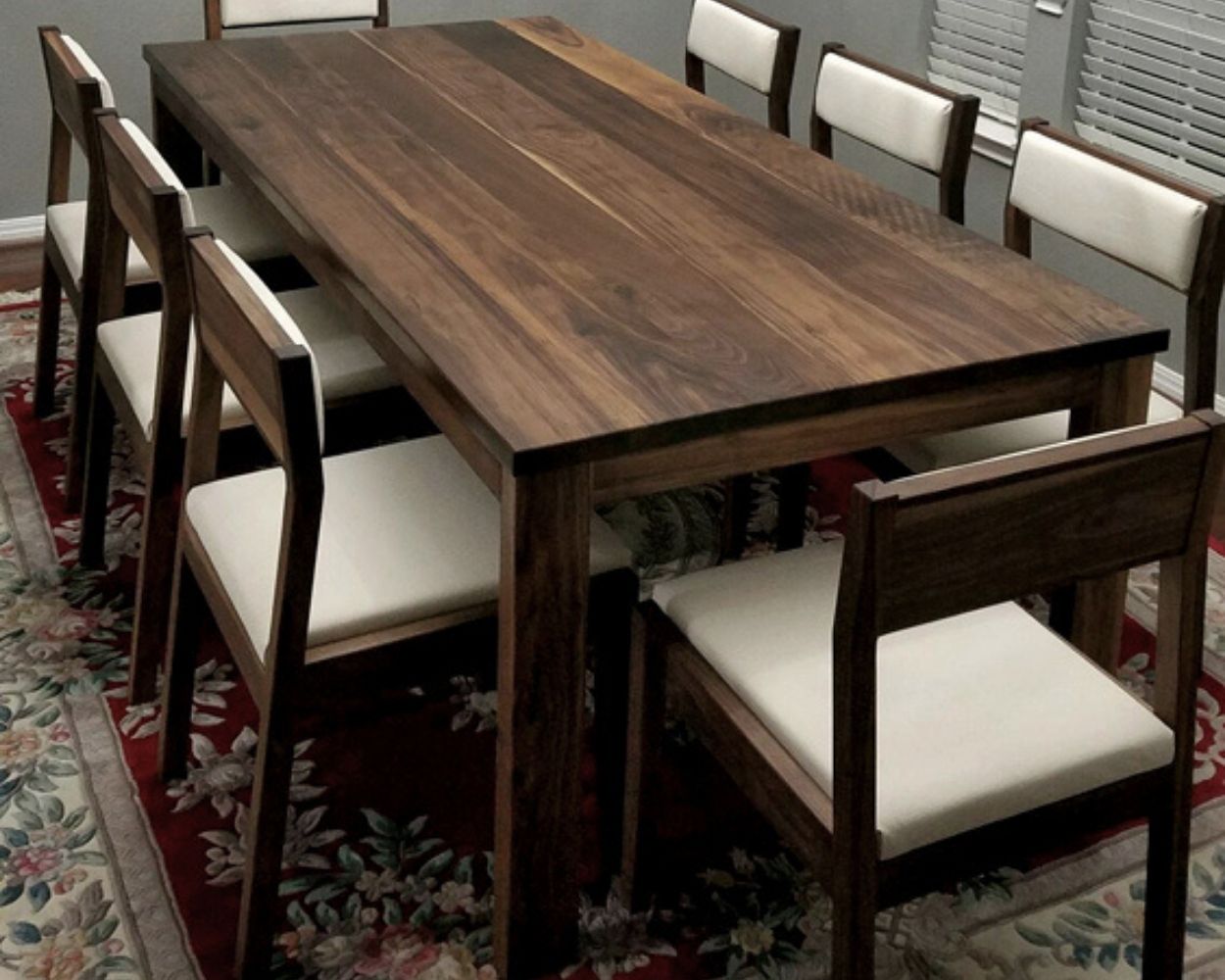
As a general guideline, leave around 36 inches between the table edge and nearby walls or furniture. This allows room to pull out chairs and move around comfortably. If the dining area doubles as a main walkway, additional clearance is even better.
For design professionals, measuring the entire dining area first helps prevent costly layout changes during installation.
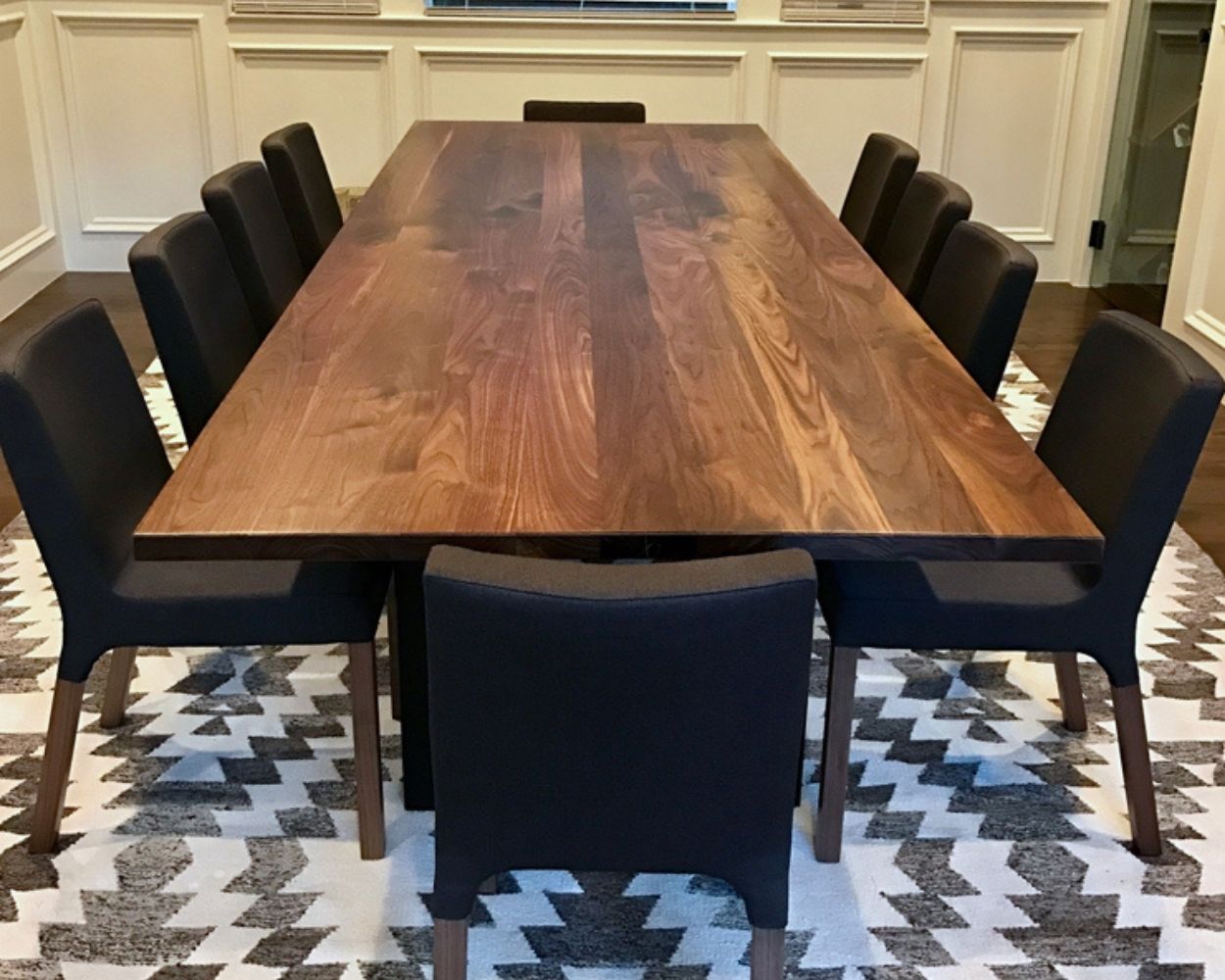 DT-90314_TL-80005-Walnut table
2. Choose the Right Shape
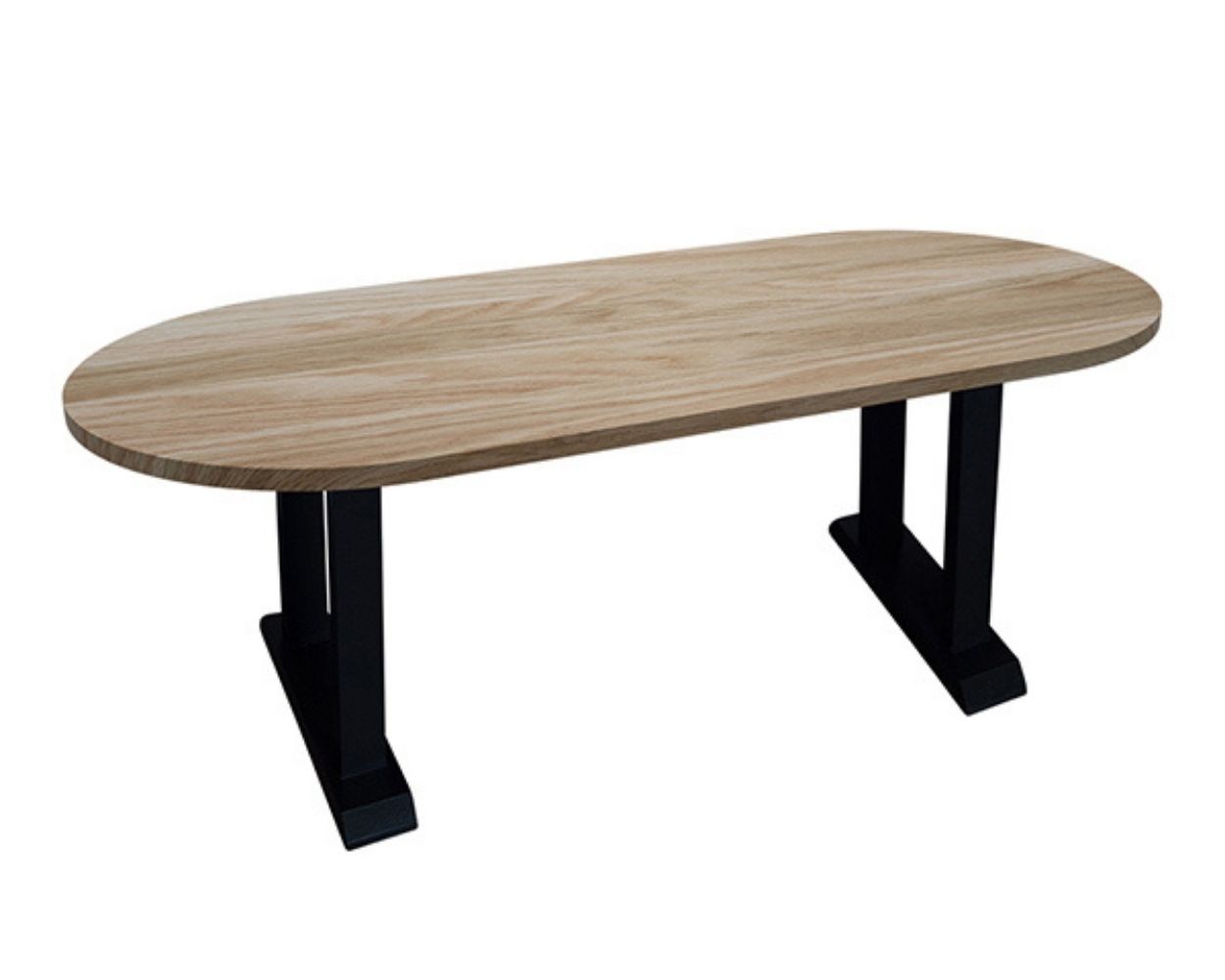
The shape of your dining table should complement the room’s layout. Rectangular tables work well in long rooms and can accommodate larger groups. Round tables encourage conversation and soften rooms filled with straight lines. Square tables suit compact, square-shaped dining areas, while oval tables offer a softer look without losing the length of a rectangular design.
Consider how the table will work with nearby furniture, doorways, and traffic flow before making your decision.
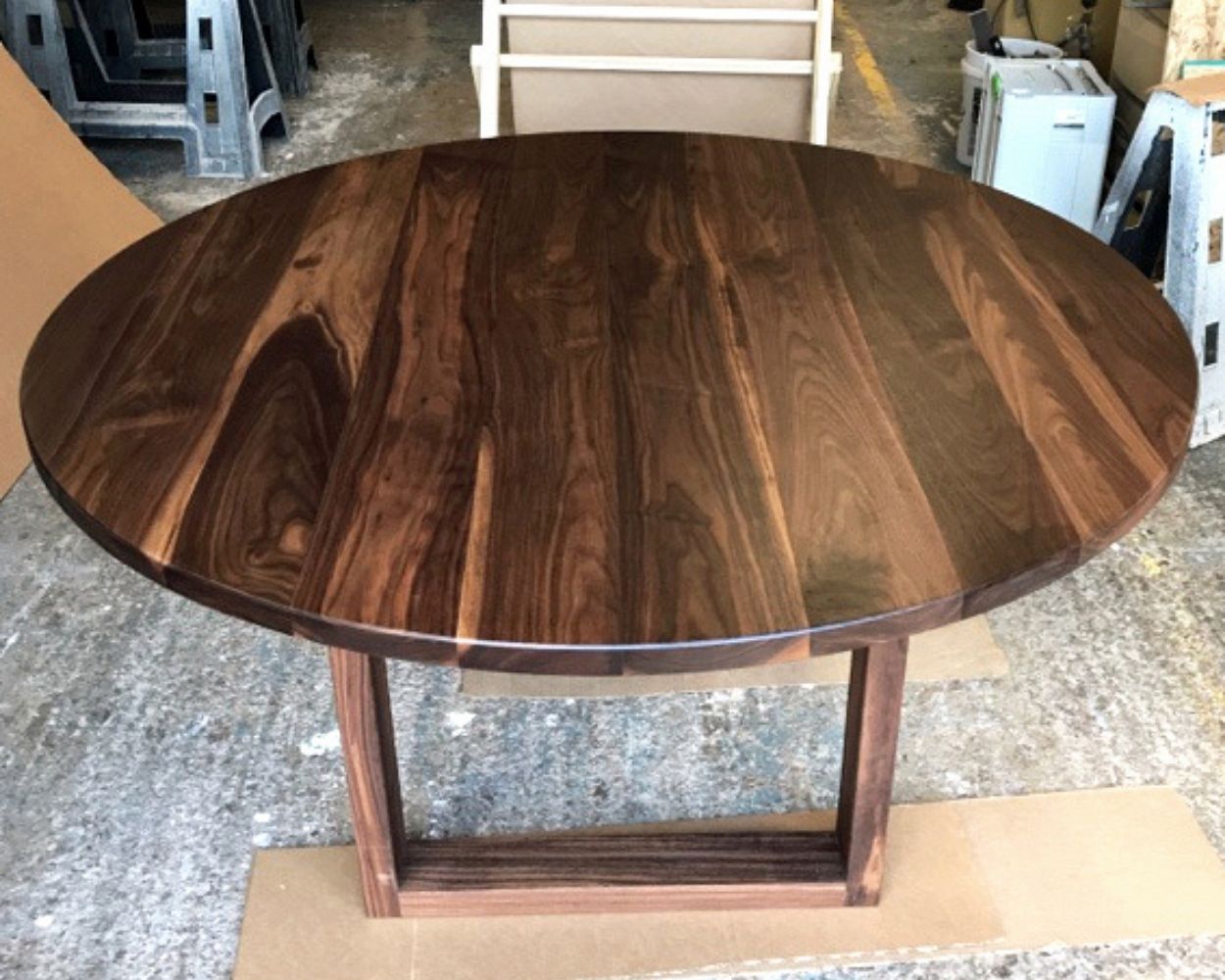
DT-90315_TL-80073 – 60 inch wide round walnut table top and base
3. Select Materials That Match Your Lifestyle
Dining tables experience daily wear, from food spills to scratches and heat. Choose materials based on how the table will be used.
Solid wood offers warmth and can often be repaired or refinished. Glass creates a lighter visual effect but shows fingerprints easily. Marble and other stone surfaces deliver a luxurious appearance but may require sealing and careful maintenance. Quality laminates and engineered surfaces can provide practical, budget-friendly alternatives.
For busy family homes or rental properties, prioritize durability and easy cleaning over appearance alone.
4. Check Comfort and Seating Capacity
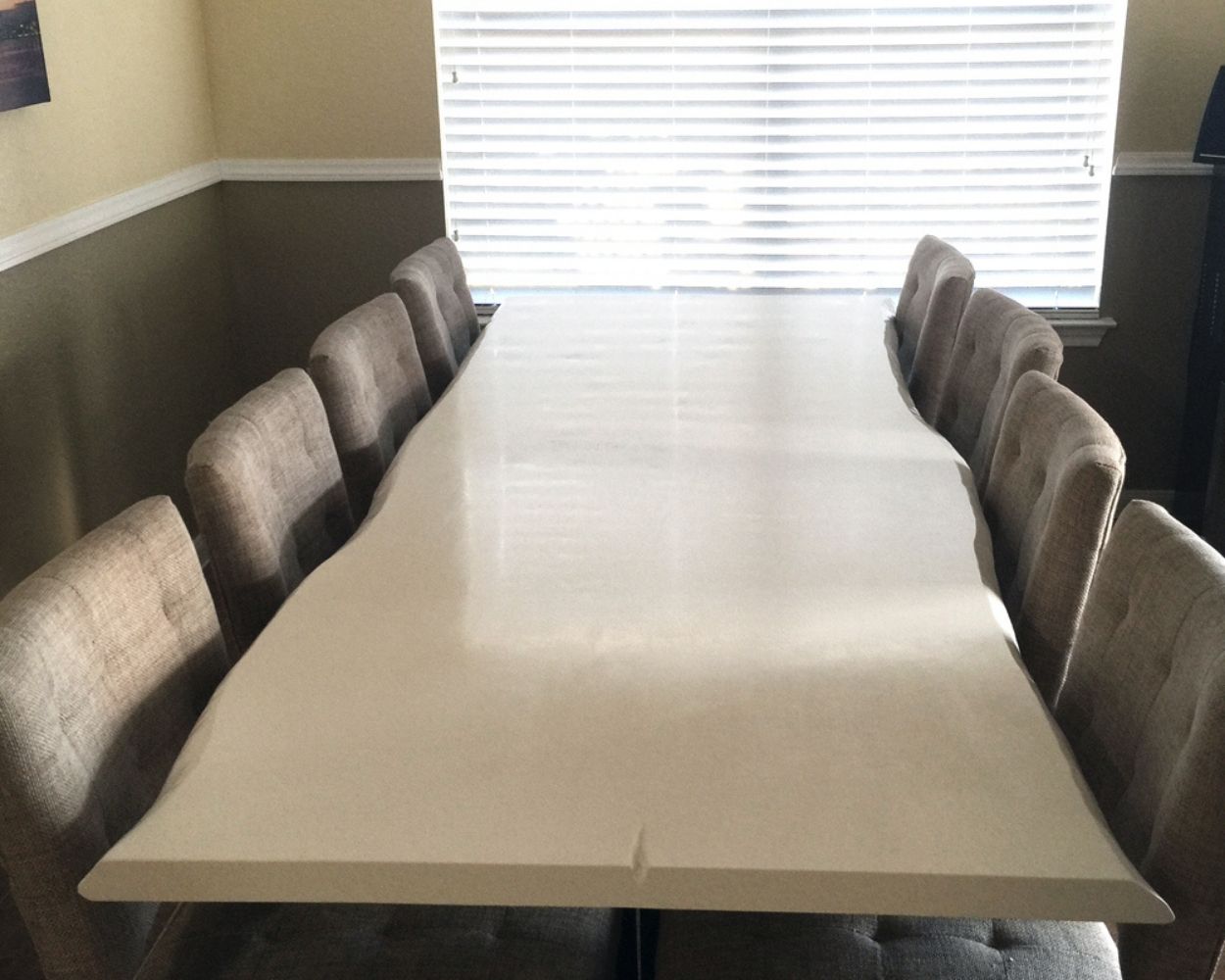
Think about how many people regularly use the table and how often you entertain guests. Allow approximately 24 inches of table edge per person as a useful starting point for comfortable seating.
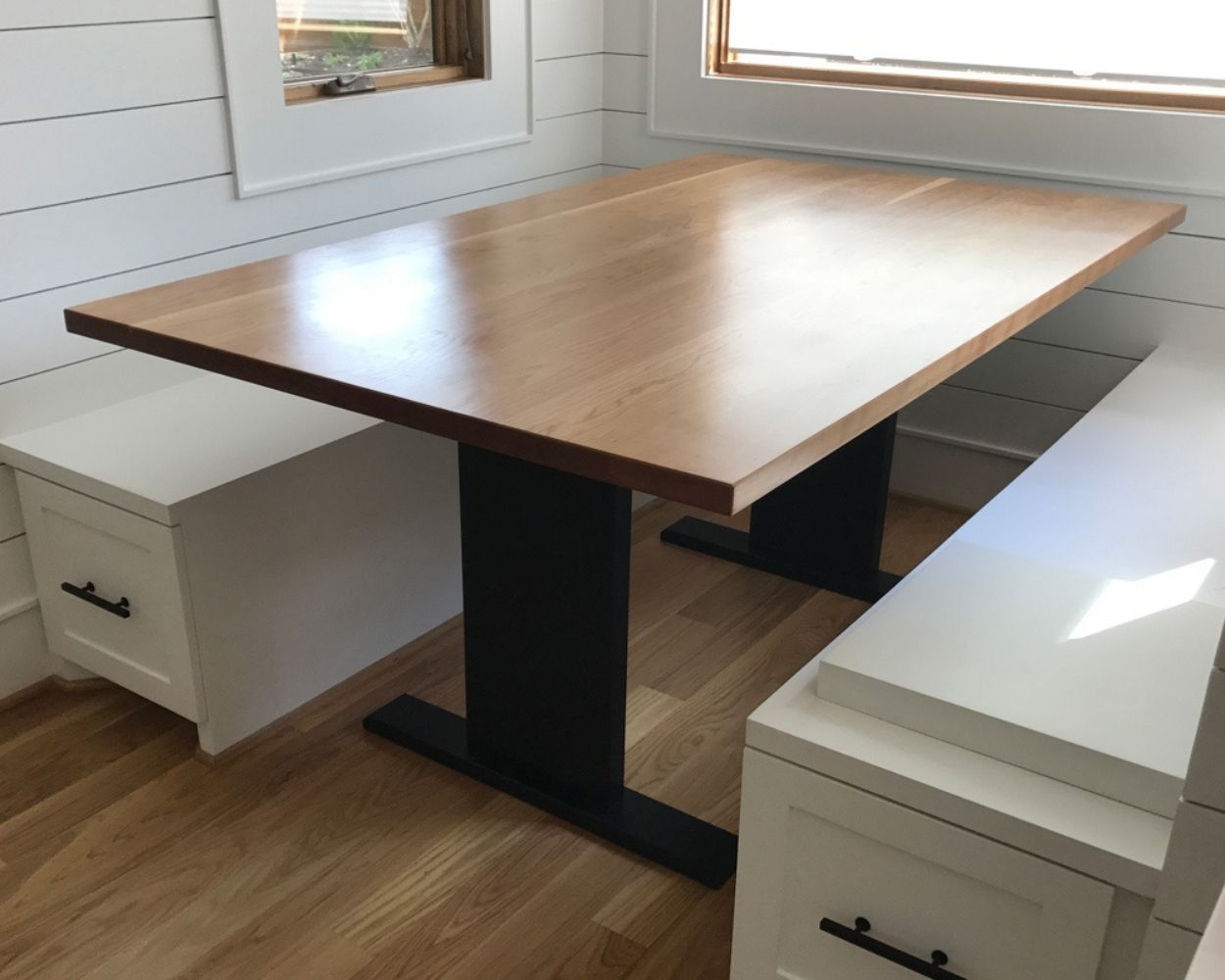
Pay attention to the table’s base, too. Pedestal designs can provide more flexibility for chairs, while traditional legs may limit seating in certain positions. Check that the chairs fit comfortably beneath the tabletop and provide adequate legroom.
5. Coordinate Style With the Entire Room
Your dining table should feel connected to the room’s overall design. Consider the flooring, dining chairs, lighting, wall colors, and surrounding furniture. A wooden table can introduce warmth into a modern interior, while a sculptural stone table can create a striking focal point.
Also consider whether an extendable table would suit your needs. It offers flexibility for everyday meals and larger gatherings without requiring a permanently oversized piece.
Buying the right dining table requires more than choosing an attractive design. Measure carefully, select a suitable shape, evaluate materials, prioritize comfort, and coordinate the finish with your interior. For designers and remodeling professionals, these steps help create dining spaces that look polished, function well, and serve their owners for years to come.