How to Use Mirrors to Expand Your Small Home
When square footage is limited, every design decision carries more weight. In small homes, you can’t rely on scale alone to create impact. You have to rely on strategy. One of the most effective and affordable tools available to interior designers and remodeling professionals is the strategic use of mirrors.
Used correctly, mirrors expand sightlines, increase natural light, and improve spatial flow. Used poorly, they reflect clutter and create visual chaos. The difference lies in placement, proportion, and framing.
1. Start with Light
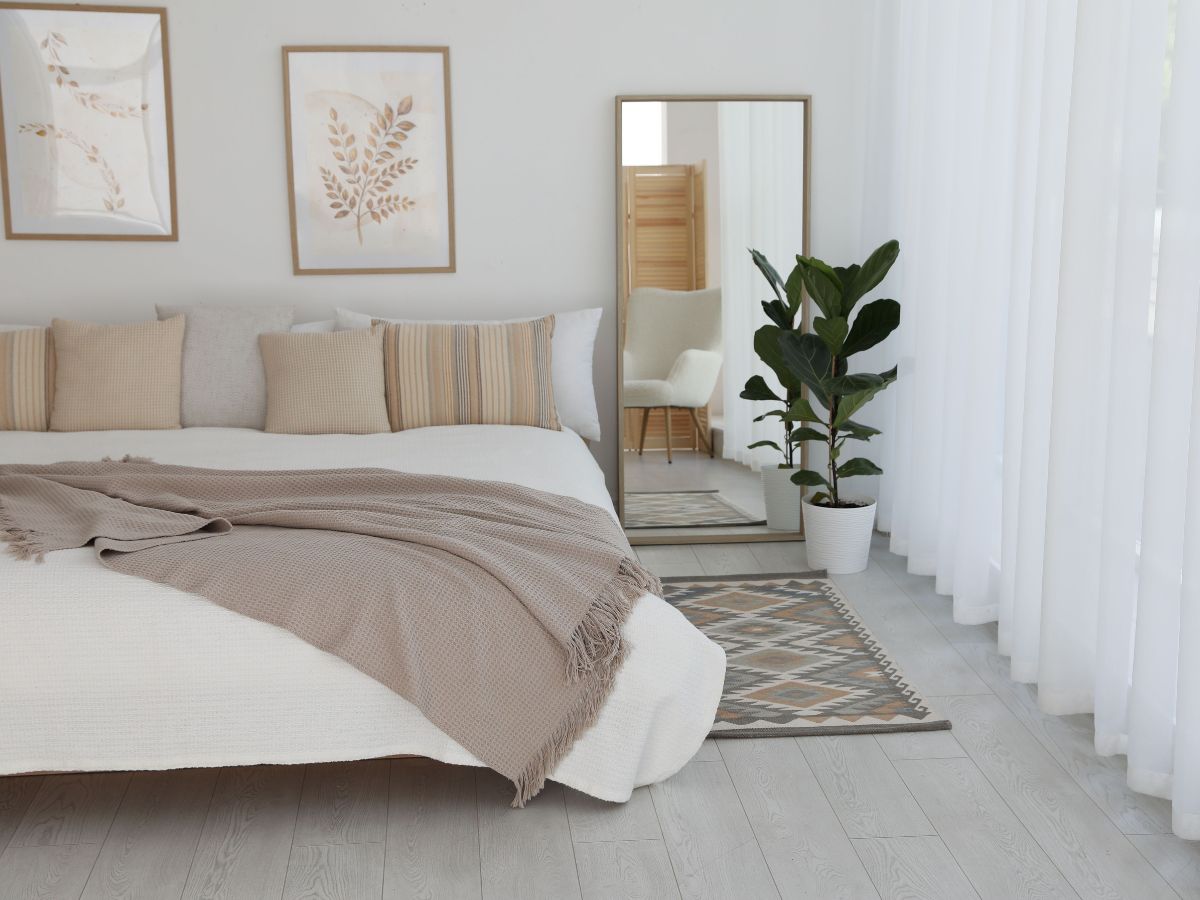
Light is the foundation of perceived space. A small room that feels dark will always feel tighter than it actually is. Position mirrors to reflect natural light from windows or glass doors. Even reflecting light from an adjacent room can increase brightness.
Framed, custom-sized mirrors are particularly effective when placed opposite a window. The larger reflective surface distributes daylight deeper into the space. This technique works well in living rooms, small dining areas, and compact bedrooms.
Avoid placing mirrors where they reflect busy storage areas, exposed cords, or unfinished architectural elements. The mirror should amplify what is working in the room, not highlight what needs improvement.
2. Use Scale Intentionally
In small homes, undersized mirrors are a common mistake. A small mirror on a large wall emphasizes empty space. Instead, use larger, properly proportioned mirrors that relate to surrounding furniture and architectural lines.
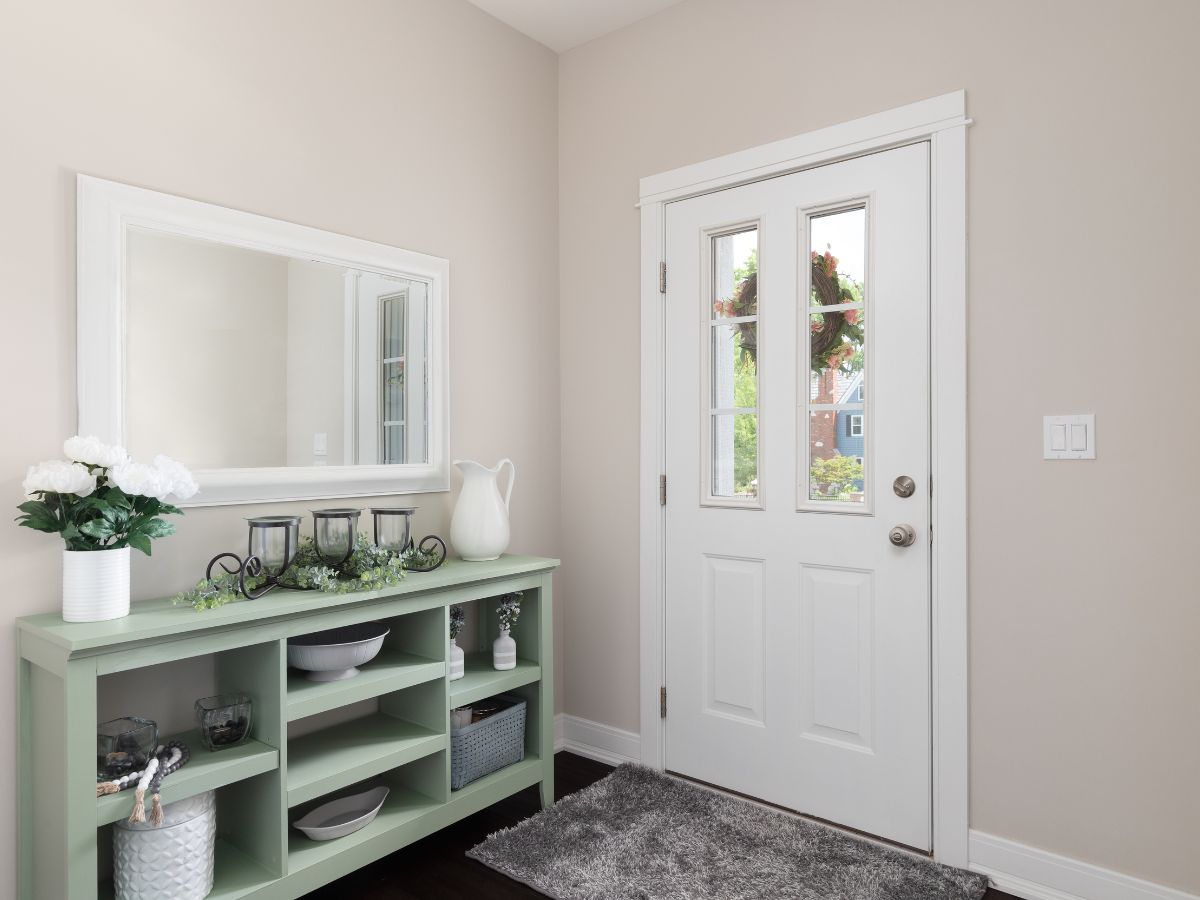
Above a console or sofa, a framed mirror that aligns with the furniture width creates balance. In entryways, a tall vertical mirror can elongate the wall and make ceilings feel higher.
In bathrooms, especially compact ones, mirrors sized precisely to the vanity width create symmetry. Two framed mirrors in a dual vanity layout define space without overwhelming the wall. Custom sizing eliminates awkward gaps and creates a more tailored, high-end look.
3. Create Depth Through Reflection
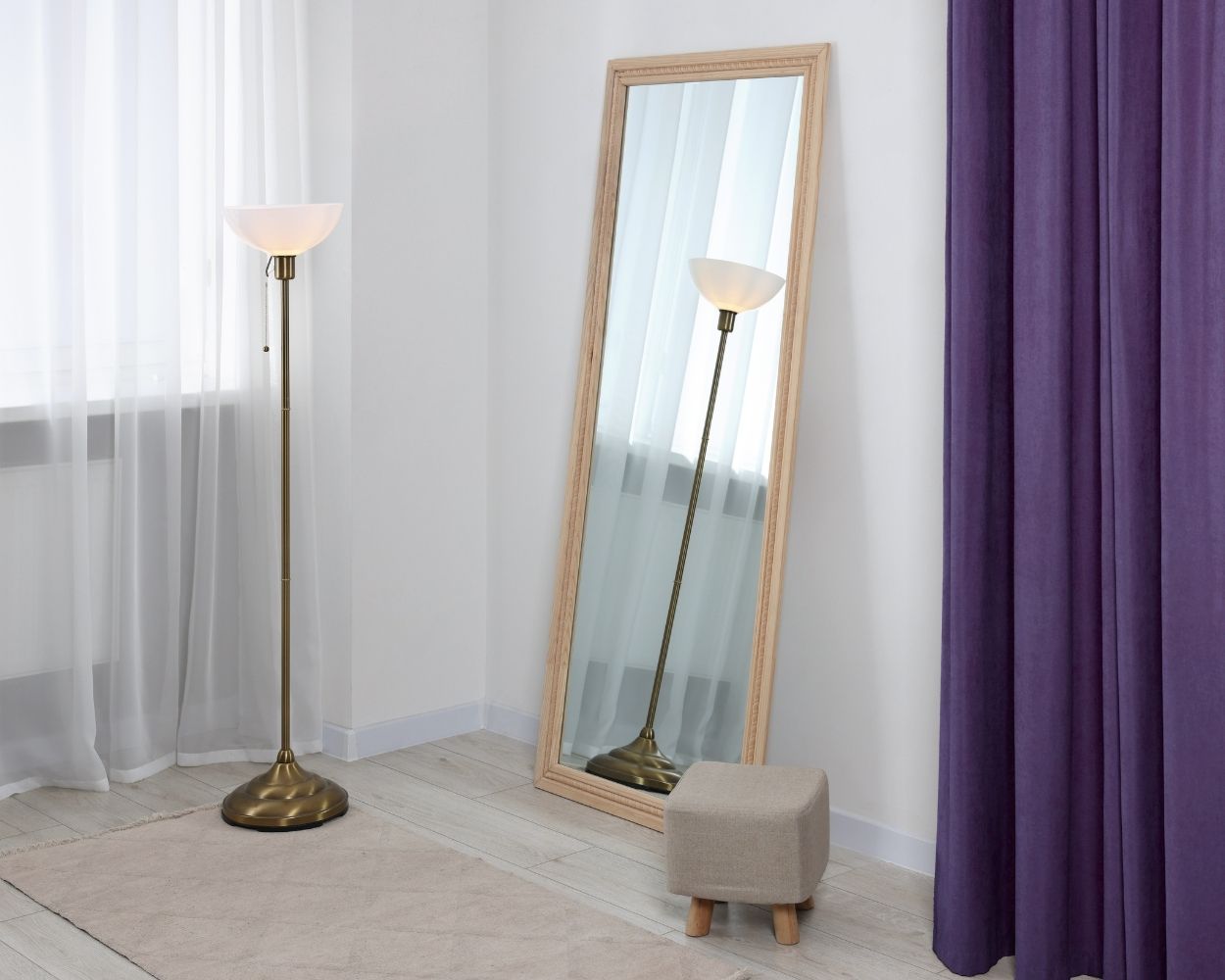
Mirrors expand space because they extend the visual boundary of a room. When placed strategically at the end of a hallway, they create the illusion of continuation. In small dining rooms, mirrors reflecting a chandelier or statement light fixture double the impact of the focal point.
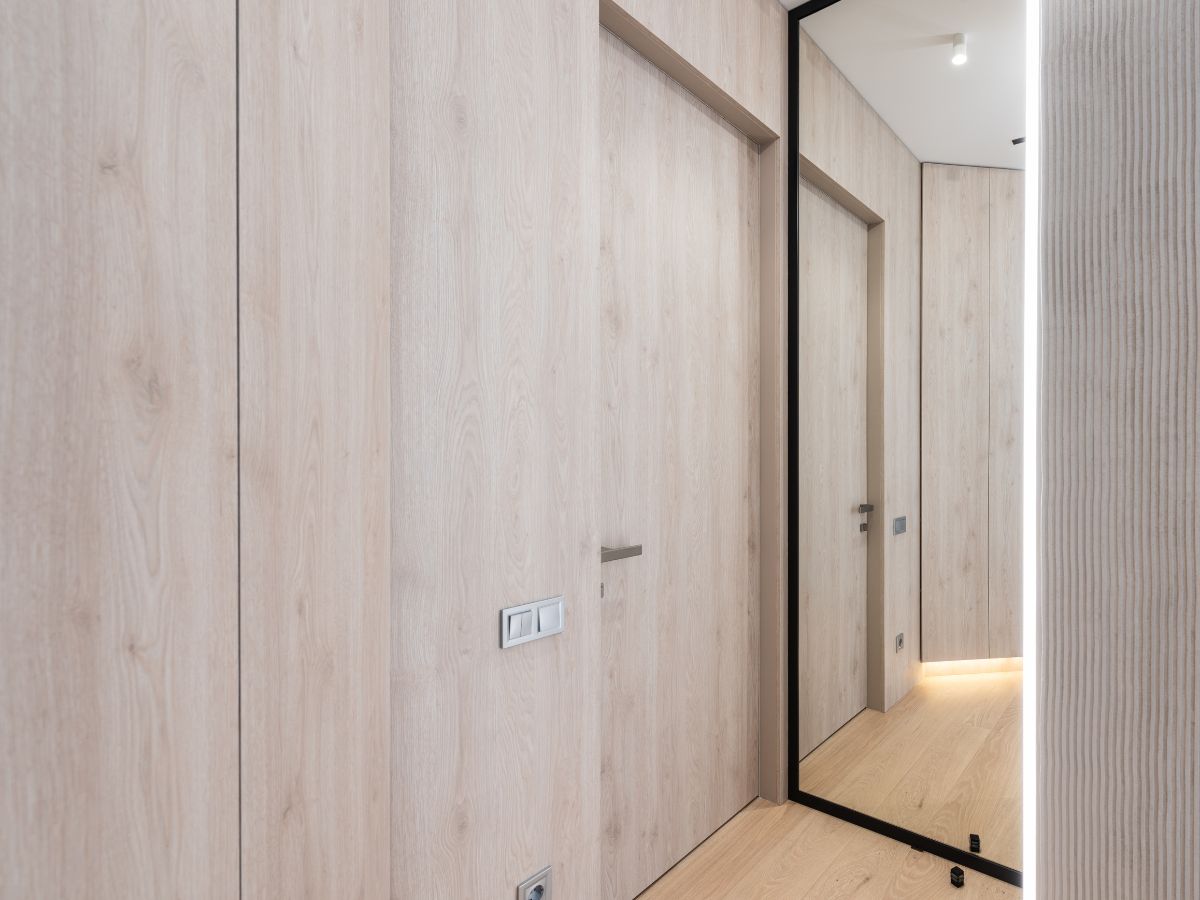
Framed mirrors add another layer of dimension. A defined frame separates the mirror from the wall plane, adding architectural structure. Matte black frames introduce contrast in modern spaces. Wood-tone frames soften minimalist interiors. Brushed brass adds warmth in transitional designs.
The frame turns the mirror from a simple reflective surface into a designed element that contributes to the room’s style.
4. Maintain Clean Sightlines
Small homes require disciplined editing. Mirrors should reflect open pathways, clean surfaces, and intentional styling. Before installing a mirror, stand in the intended location and evaluate what it will capture. If the reflection feels cluttered, reconsider placement.
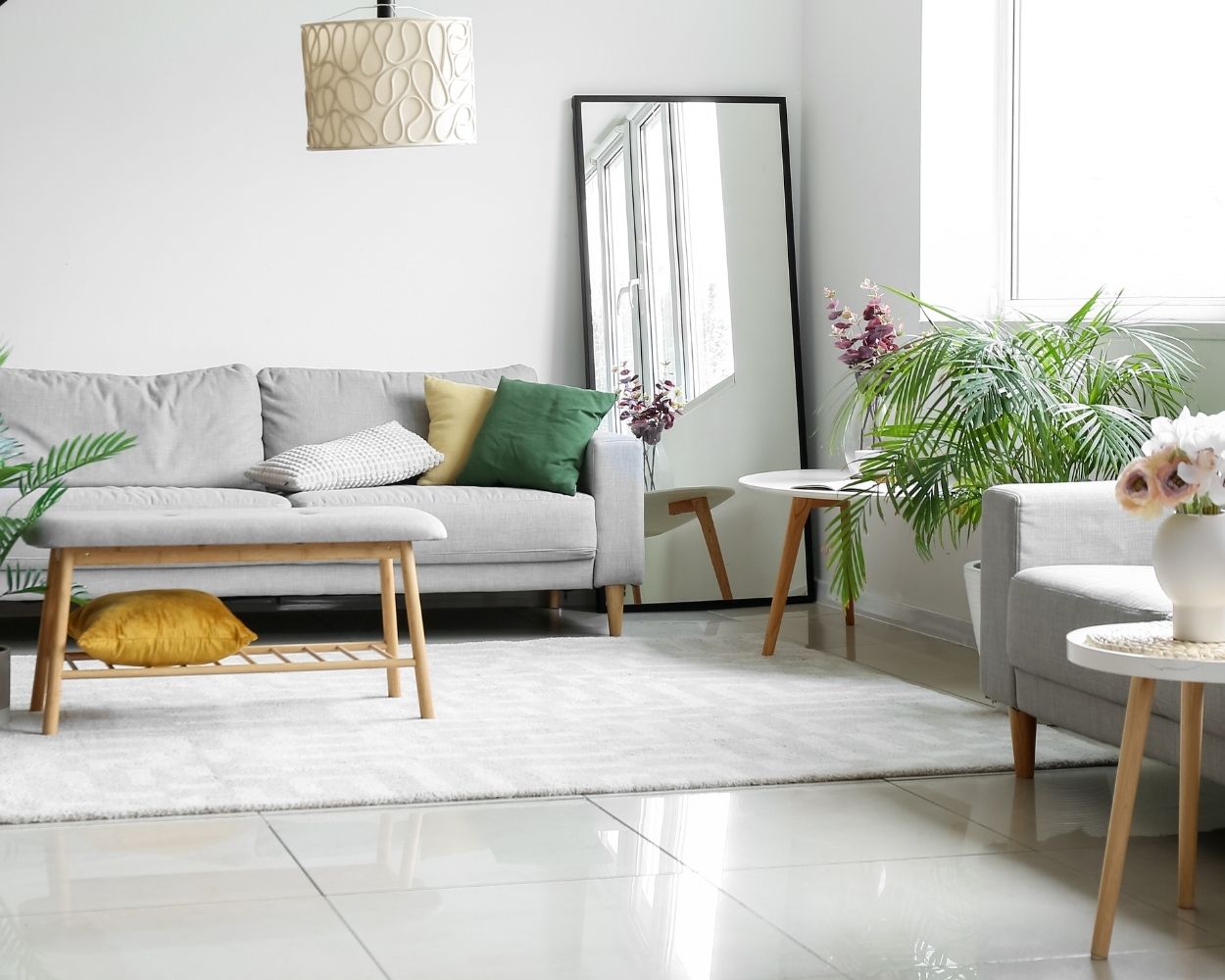
For remodeling companies and design professionals, mirrors are a cost-effective way to elevate perception without altering structural layouts. They improve brightness, reinforce symmetry, and increase the sense of openness.