How to Hang a Mirror Safely: Professional Tips
A well-placed mirror can reshape a room. It can open a tight hallway, brighten a dark corner, or anchor a feature wall. But no matter how beautiful the mirror is, safety comes first. Designers and remodelers know that hanging a mirror is not the same as hanging artwork. Mirrors are heavier, more fragile, and less forgiving of mistakes. Taking the right steps ensures the mirror sits straight, stays secure, and performs the way it is meant to.
1. Understand the Weight of the Mirror
The first step is understanding the weight of the mirror. Before anything else, check the label or weigh the mirror yourself. The hardware you choose depends on this number. Lightweight mirrors may work with basic picture hooks, but most framed or custom-sized mirrors need anchors, screws, or heavy-duty cleats. When in doubt, overbuild. A mirror that falls can damage walls, floors, or furniture, and can cause serious injury.
2. Study the Wall Type
Next, study the wall type. Drywall, plaster, tile, concrete, and wood all require different anchors. For drywall, use toggle bolts or heavy-duty anchors rated for more weight than the mirror actually carries. For plaster walls, choose anchors designed to bite into the surface without cracking it. For tile bathrooms, drill through grout whenever possible to avoid damaging the tile. If you must drill through tile, use a carbide or diamond bit and move slowly. Concrete and brick call for masonry screws and anchors.
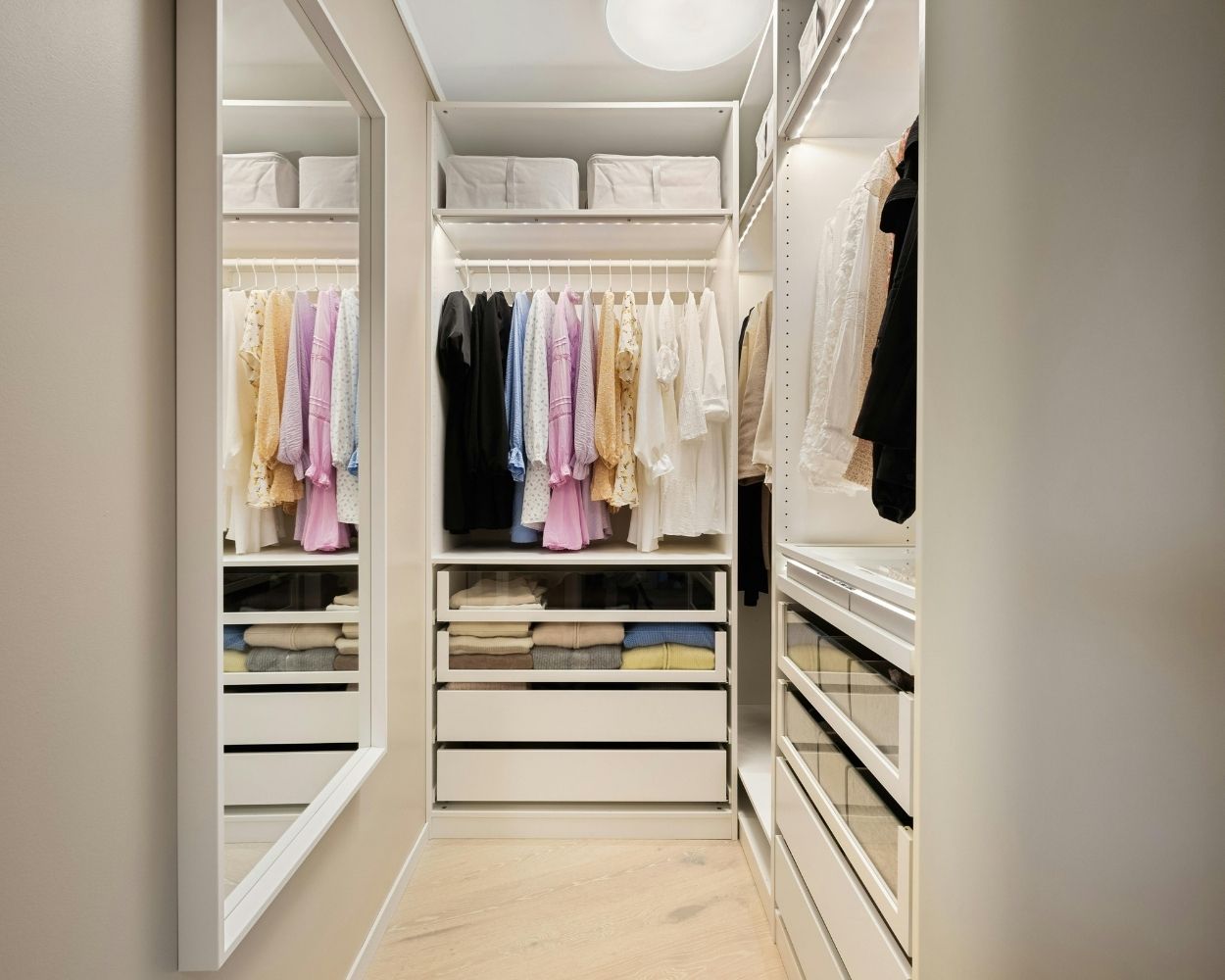
MAL-1151 White Framed Mirror For Closet
3. Check the Mounting Hardware
Once you understand the wall, examine the mounting hardware that came with the mirror. Many mirrors now include D-rings, keyhole brackets, or a French cleat. French cleats are often the safest choice for large custom mirrors because they distribute weight across a wider area. They also make leveling easier since the mirror locks onto a long, horizontal bracket rather than a single point.
4. Measure accurately
Accuracy matters when marking the wall. Measure twice and keep the mirror aligned with nearby architectural elements. Designers often use blue painter’s tape to map out the mirror’s exact placement before drilling. This helps clients visualize scale and prevents last-minute second guesses.
Before mounting, locate studs if possible. Attaching at least one side of the hardware to a stud adds security, especially for oversized or heavy framed mirrors. If studs aren’t available in the right location, rely on high-strength anchors and follow weight ratings closely.
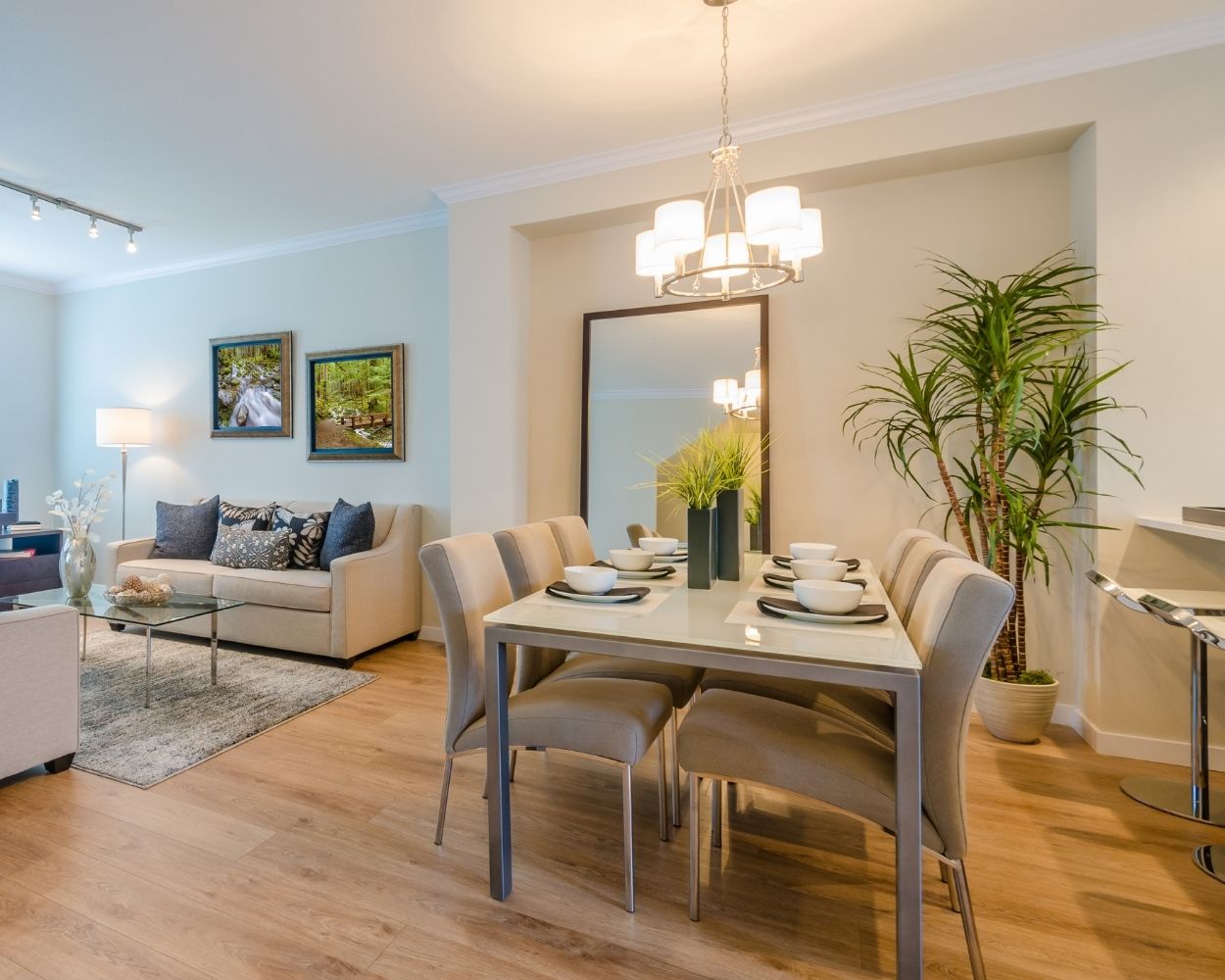
MAL-0698 Black Framed Mirror For Dining Room
5. Get a Helper to Hang the Mirror
When lifting and hanging the mirror, work with a second person. Mirrors can twist or flex if held incorrectly, which stresses the frame and glass. Two hands keep the piece level and reduce the risk of dropping it.
Once the mirror is on the wall, check its level and make small adjustments before tightening the hardware fully. A final safety check ensures the mirror sits flush, doesn’t shift when gently nudged, and is supported evenly.
Safe installation is not only a matter of protecting the mirror. It protects the people who will live with it. With the right planning, hardware, and technique, a mirror becomes a long-term asset rather than a risk. Designers and remodelers who follow these steps deliver results that look sharp and stay secure.