How to Pick a Mirror That Matches Your Home Style
Mirrors are often treated as functional necessities, but experienced designers know they can be much more than that. The right mirror has the power to enhance natural light, create the illusion of more space, and reinforce a home’s overall design language. Whether you’re designing a new build, managing a renovation project, or refreshing an existing space, choosing a mirror that aligns with the home’s style is an important design decision.
Here are some practical tips for selecting mirrors that look intentional and elevate the entire room.
1. Start with the Home’s Architectural Style
Before choosing a mirror, consider the home’s architectural character. Is it modern, traditional, farmhouse, transitional, industrial, or coastal?
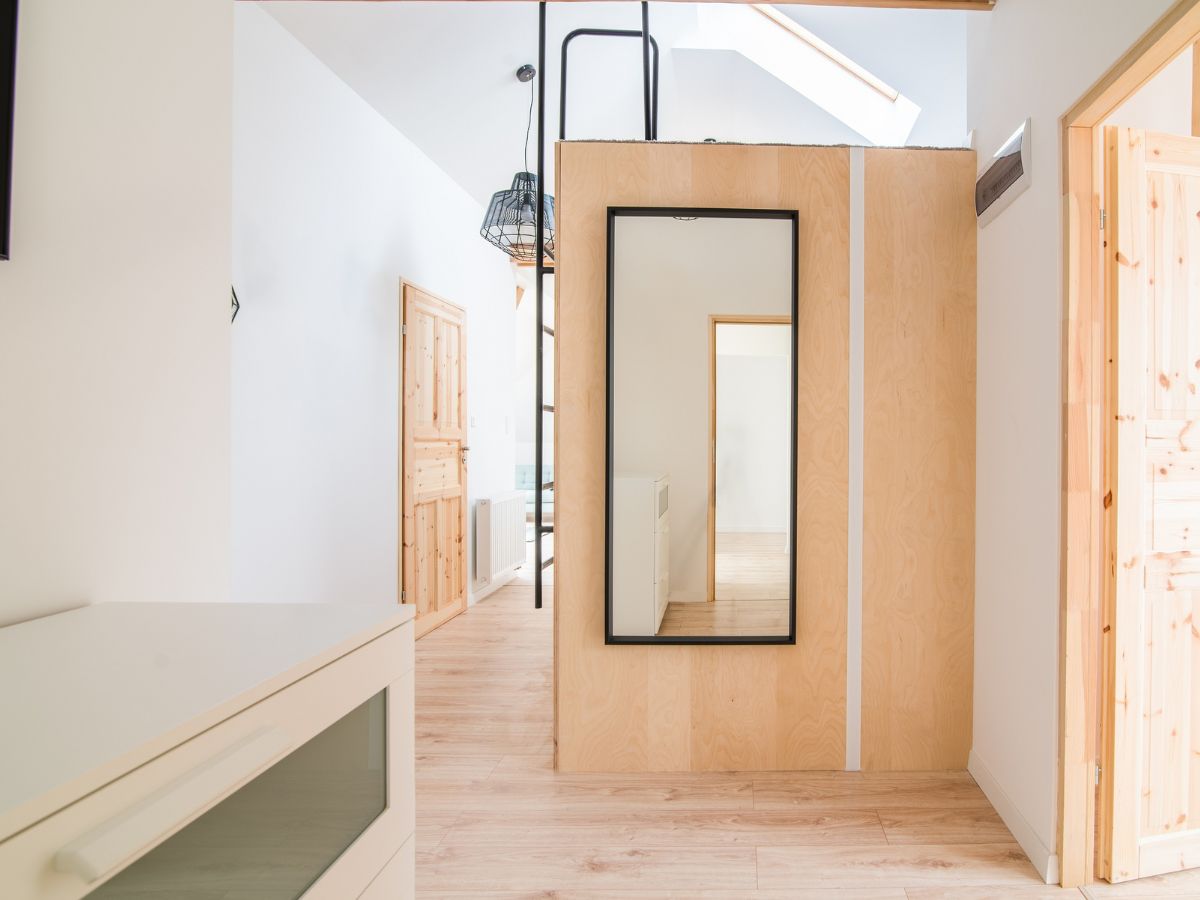
For contemporary and modern interiors, framed square or rectangular mirrors with clean lines often work best. Their simplicity complements streamlined cabinetry, minimal hardware, and uncluttered spaces. Traditional homes, on the other hand, may benefit from more decorative frame profiles that add warmth and character without overwhelming the room.
The goal is to ensure the mirror feels like it belongs in the space rather than appearing as an afterthought.
2. Pay Attention to Proportion
One of the most common design mistakes is choosing a mirror that is too small for the wall or vanity beneath it.
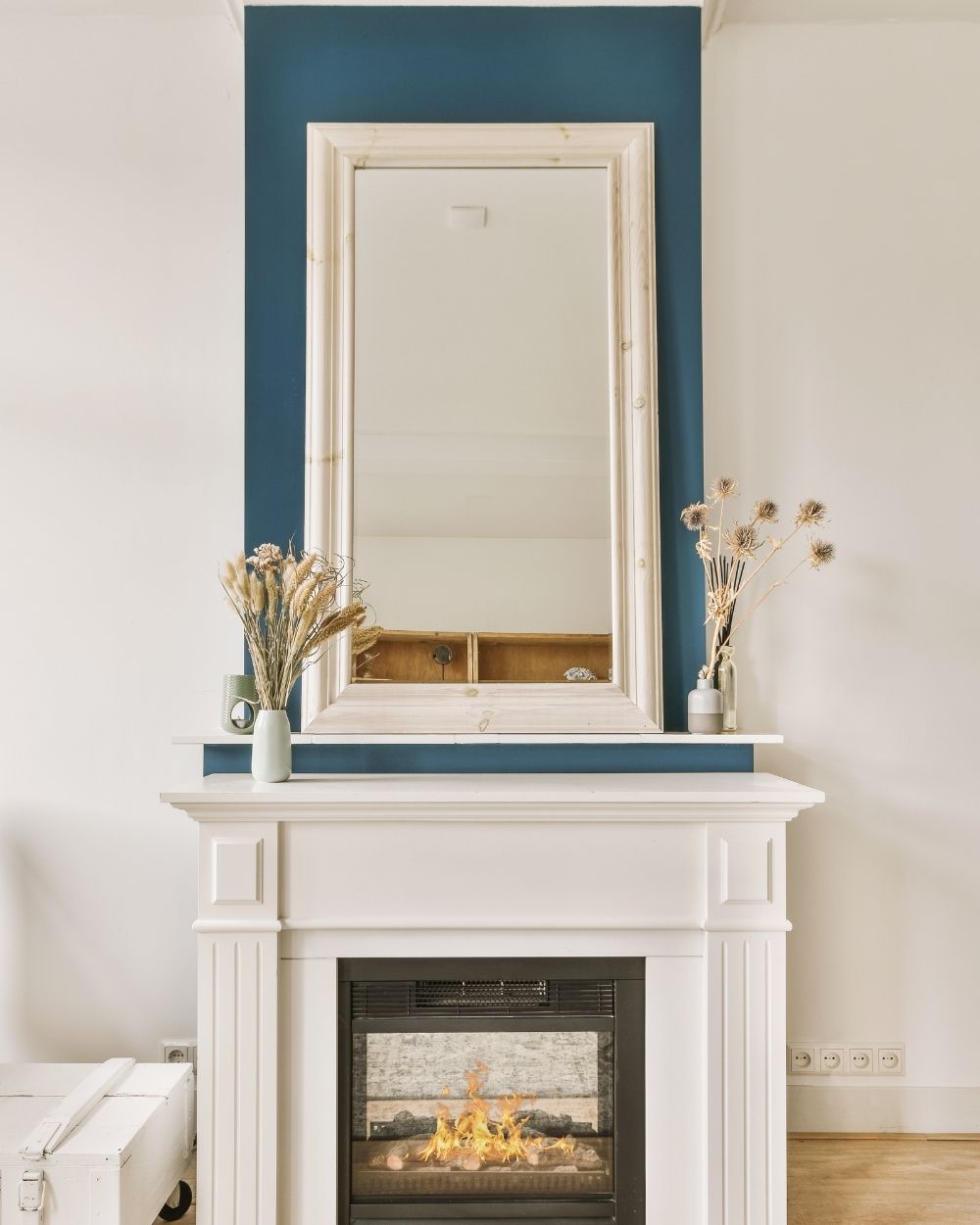
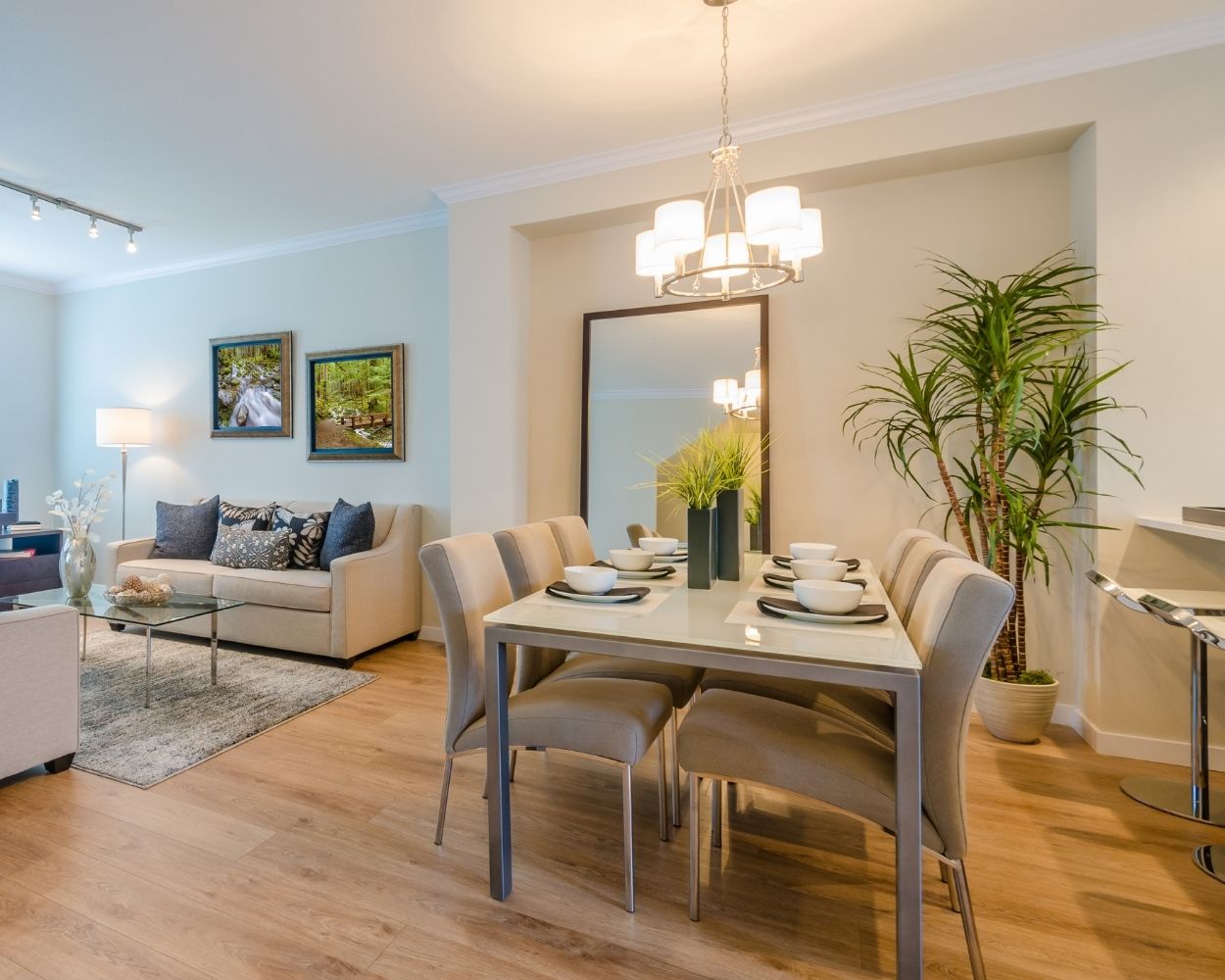
A mirror should feel balanced within the surrounding architecture and furnishings. In bathrooms, designers often select mirrors that are proportionate to the vanity width. In living rooms and entryways, mirrors should visually anchor the furniture below them.
This is where custom-sized mirrors offer a significant advantage. Instead of compromising with standard dimensions, custom sizing allows designers and remodelers to create a tailored look that fits the space perfectly.
3. Coordinate the Frame with Existing Finishes
A mirror frame should complement the room’s materials and finishes rather than compete with them.
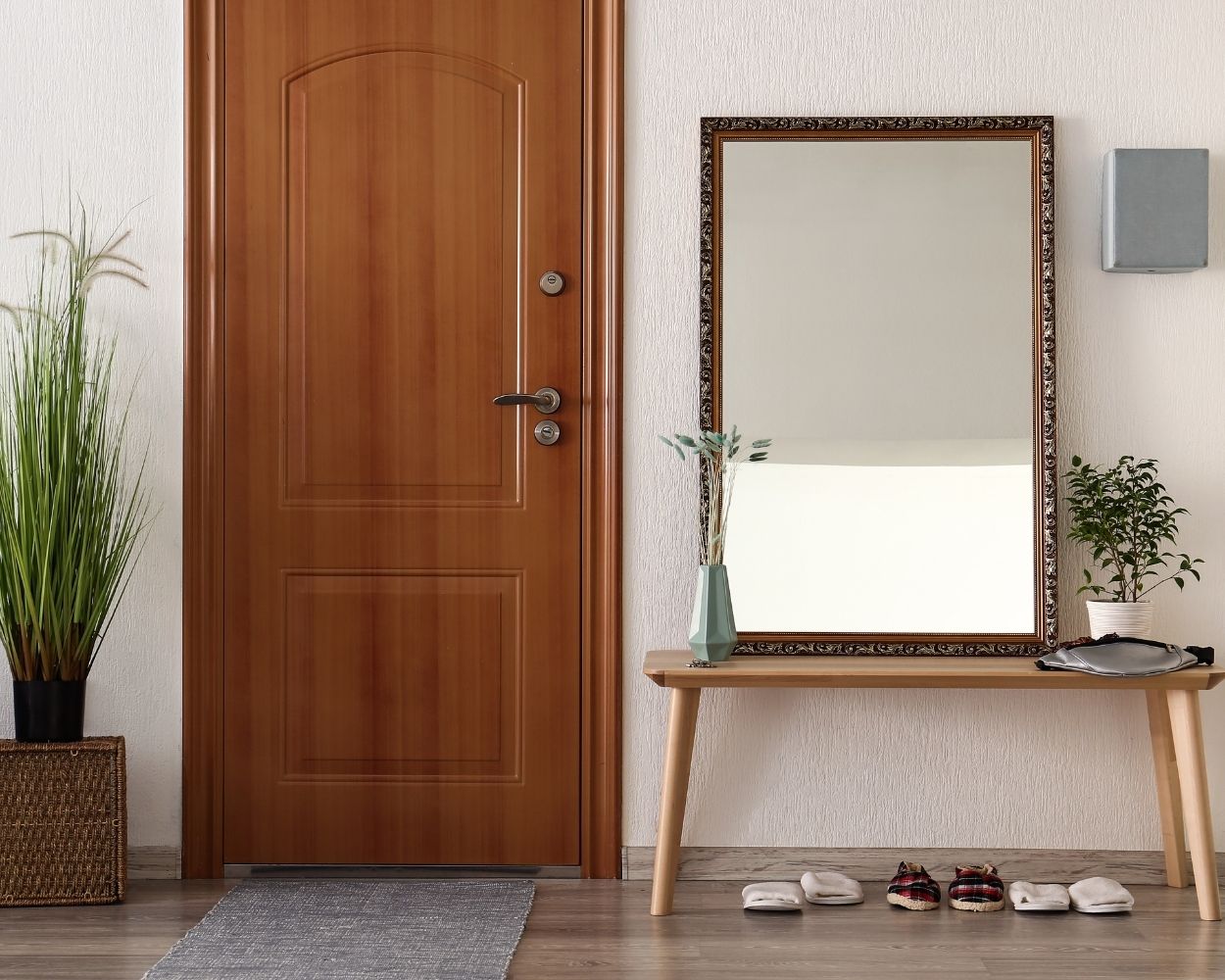
Black frames pair beautifully with modern and industrial interiors. Warm wood frames work well in farmhouse and organic-inspired spaces. Brass and bronze finishes often add sophistication to transitional and luxury designs.
Framed mirrors help create visual continuity by tying together lighting fixtures, cabinet hardware, faucets, and furniture details.

4. Consider Function Alongside Style
A beautiful mirror should also serve its purpose effectively.
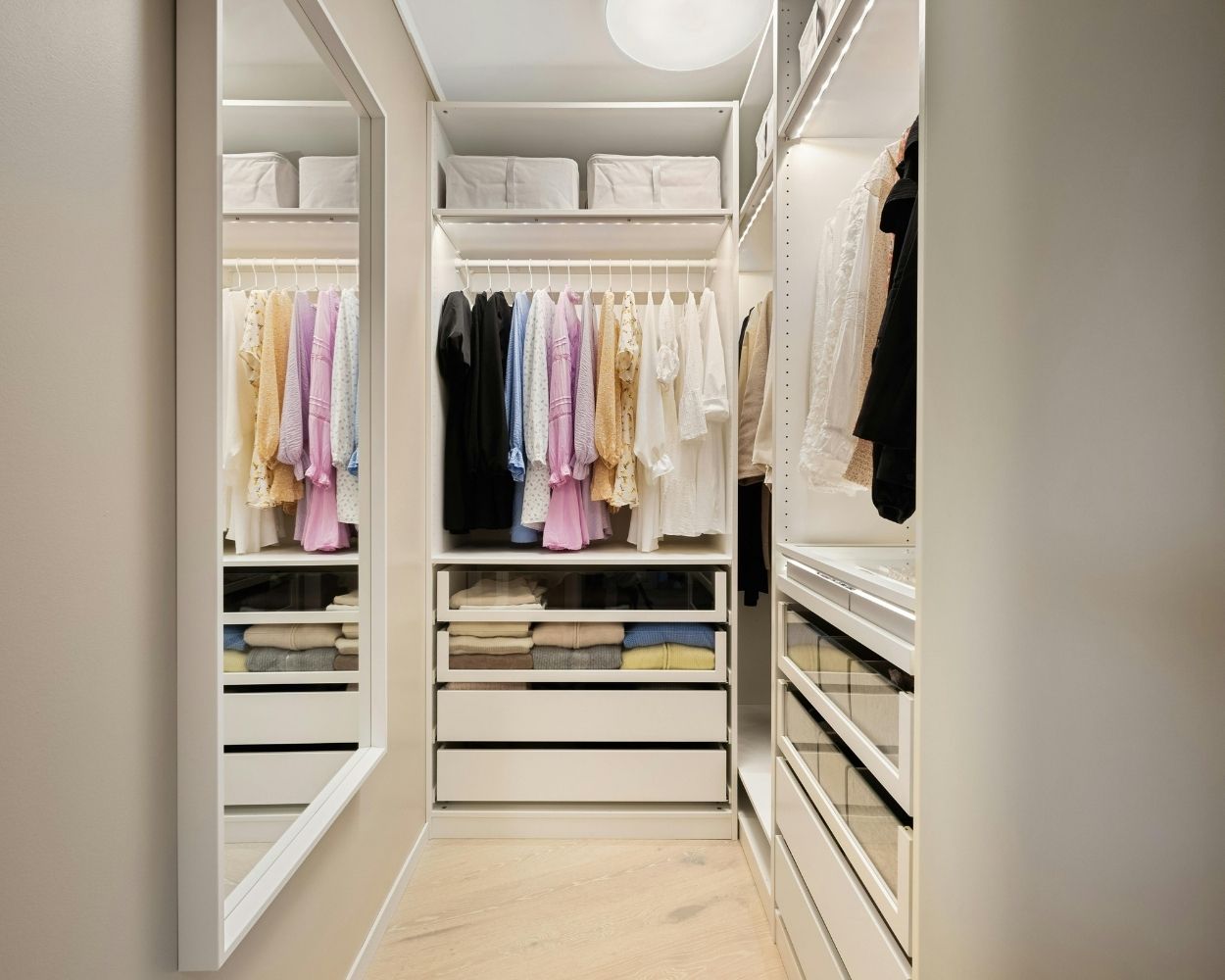
In bathrooms, larger mirrors maximize light reflection and improve usability. In entryways, mirrors create a welcoming atmosphere while providing a practical last look before leaving the house. In smaller rooms, strategically placed mirrors can make spaces feel larger and brighter.
Custom-sized mirrors allow designers to optimize both form and function, ensuring every inch of wall space works harder.
5. Think Long-Term
Design trends come and go, but well-proportioned framed mirrors remain timeless.
Square and rectangular mirrors have endured because of their versatility and ability to complement nearly any design style. Investing in quality materials and custom sizing helps ensure the mirror continues to add value and visual appeal for years to come.
The best mirrors do more than reflect a room, they enhance it. By considering architectural style, proportion, frame finish, functionality, and long-term appeal, designers and homeowners can select mirrors that feel purposeful and refined.
For many projects, custom-sized framed mirrors remain one of the most versatile and effective choices. They offer the flexibility to fit any space while delivering the polished, high-end appearance that today’s homeowners and design professionals expect.