5 Tips on Where to Place a Mirror in a Living Room
A mirror in a living room is more than decoration. It is a strategic design tool that influences light, depth, and proportion. When placed correctly, it can make a room feel larger, brighter, and more cohesive. When placed poorly, it can highlight clutter or feel disconnected from the overall layout.
1. Opposite or Adjacent to a Window
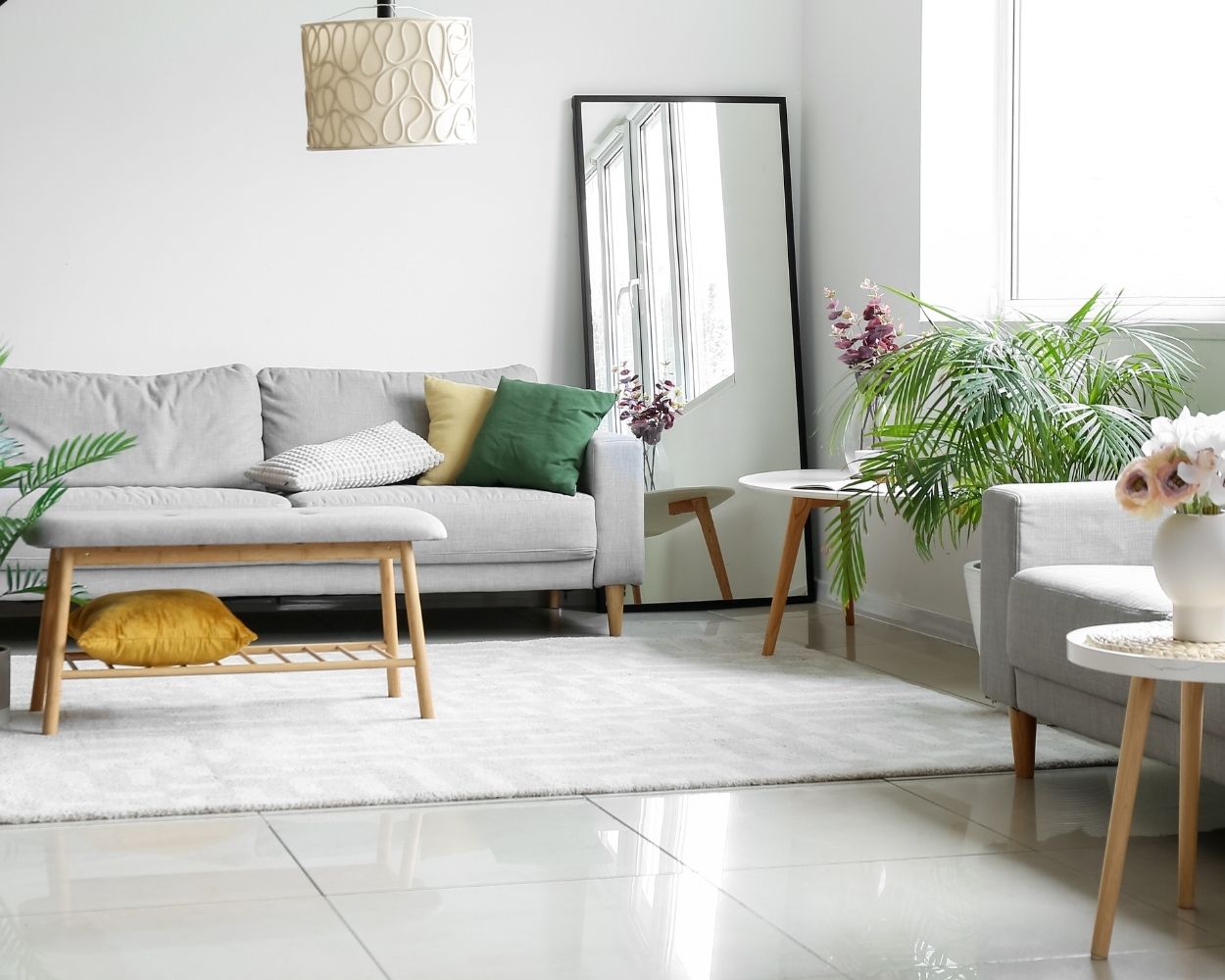
One of the most effective placements is across from or near a window. This allows the mirror to reflect natural light deeper into the room. In spaces with limited daylight, this technique can significantly brighten the environment without adding new fixtures.
Framed, custom-sized mirrors work especially well here. A horizontal rectangle can echo the shape of the window and create visual continuity. In taller rooms, a vertical rectangle can emphasize ceiling height while still capturing light.
The goal is not just reflection, but amplification.
2. Above the Sofa
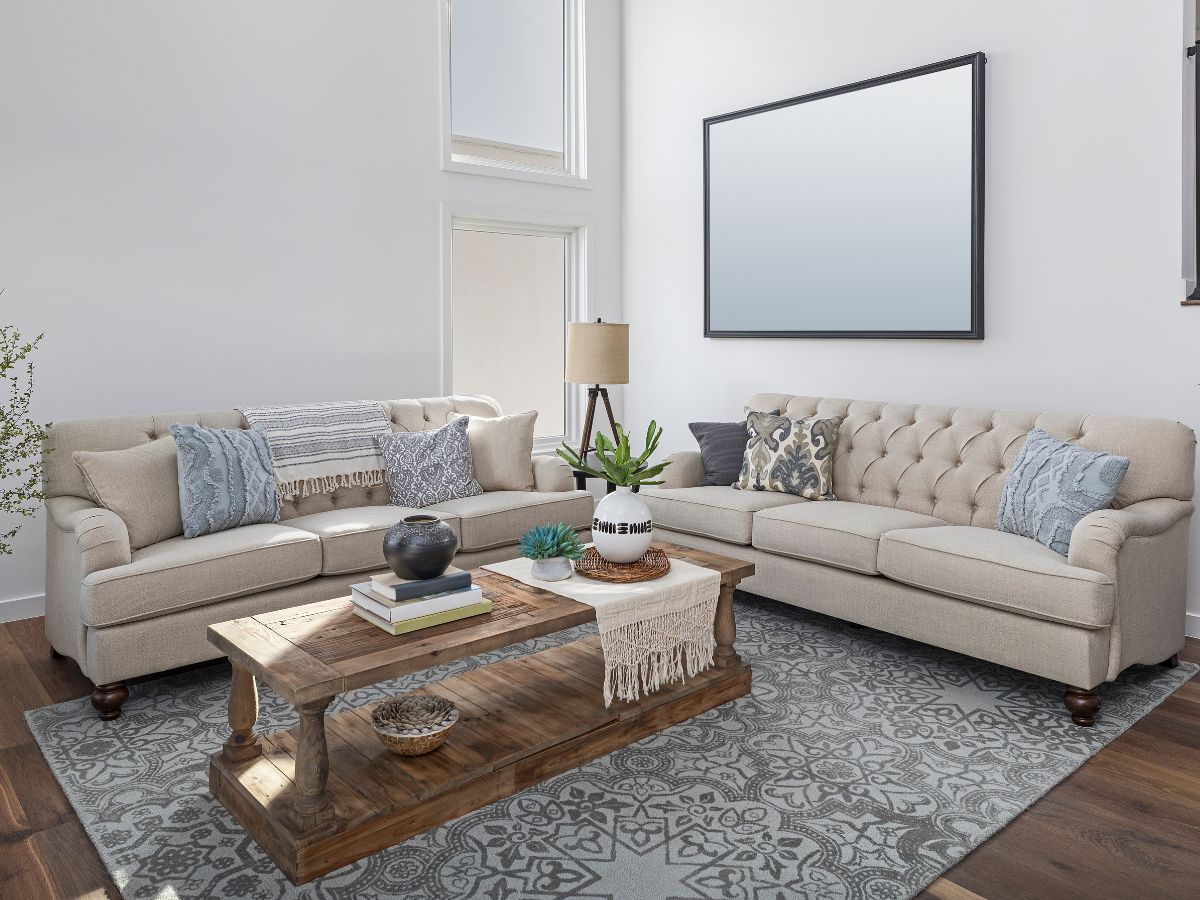
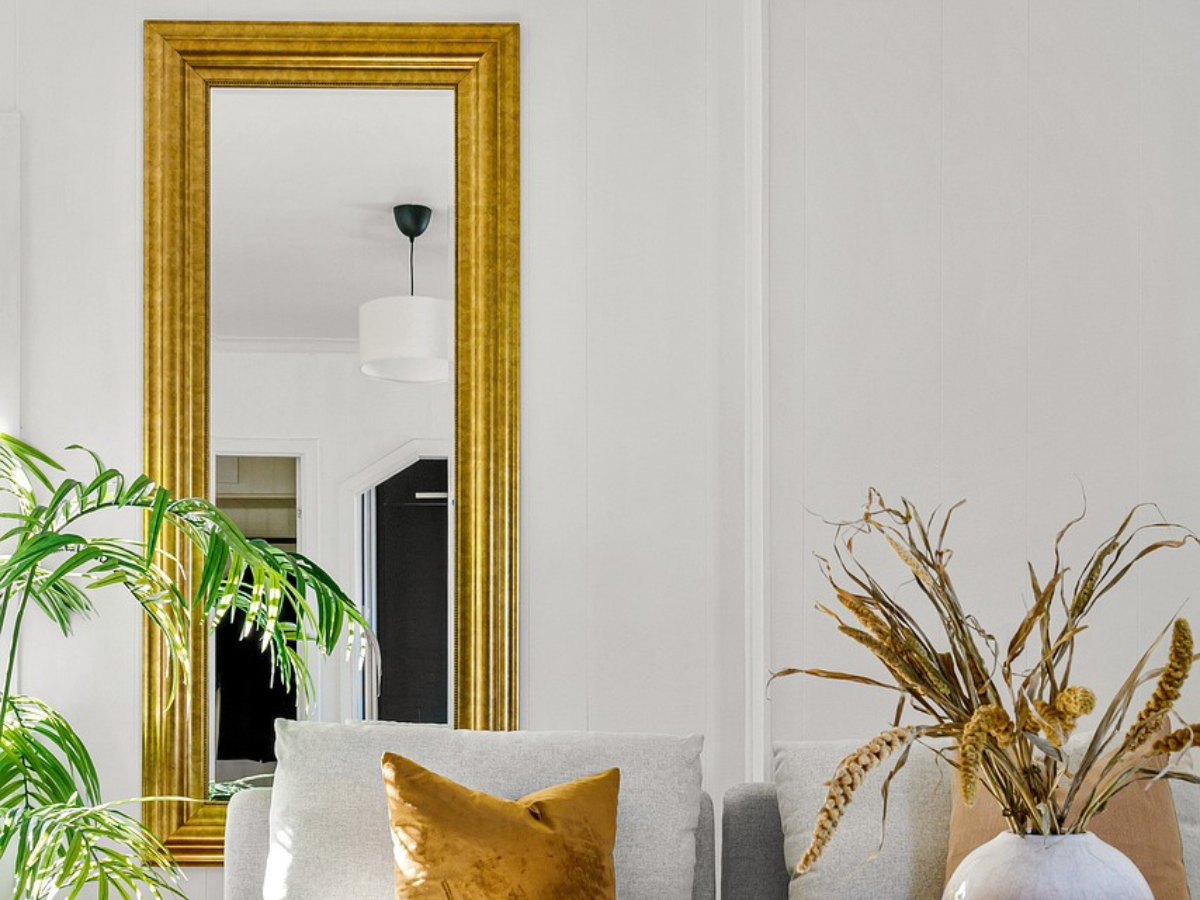
The wall above the sofa is one of the most common and practical placements. A mirror here acts as a focal point and anchors the seating area.
For proper scale, the mirror should generally span two-thirds to three-quarters of the sofa’s width. Custom sizing ensures ideal proportion, particularly in rooms with oversized or uniquely scaled furniture.
Square and rectangular framed mirrors provide structure and balance. A slim metal or wood frame can tie into existing finishes such as coffee tables, hardware, or lighting.
3. Above a Console or Fireplace
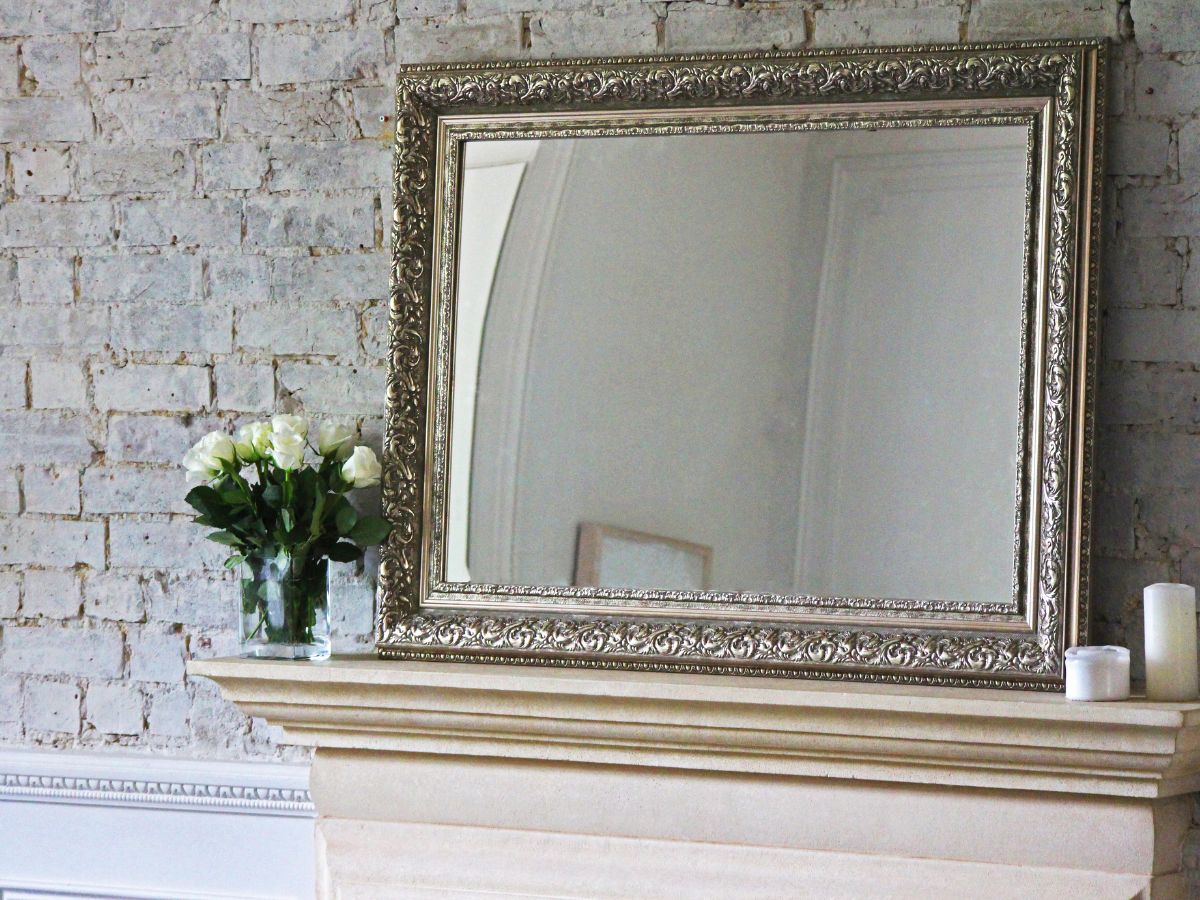
Mirrors placed above a console table or fireplace create strong vertical emphasis. This location works well in both formal and casual living rooms.
Above a fireplace, a mirror should align with the mantel width and remain proportionate to the wall height. A custom-sized square or rectangular mirror often delivers a more architectural look than ornate or irregular shapes.
Above a console in an entry-facing living room, a mirror enhances functionality while adding depth to the space.
4. To Expand Narrow or Dark Areas
In narrow living rooms or long layouts, mirrors can visually widen the space. Placing a large rectangular mirror along a side wall can create the illusion of additional square footage.
This strategy is especially effective in urban apartments or homes with compact footprints. Framed mirrors prevent the look from feeling commercial or overly reflective, maintaining a residential warmth.
5. Reflect Something Worth Seeing
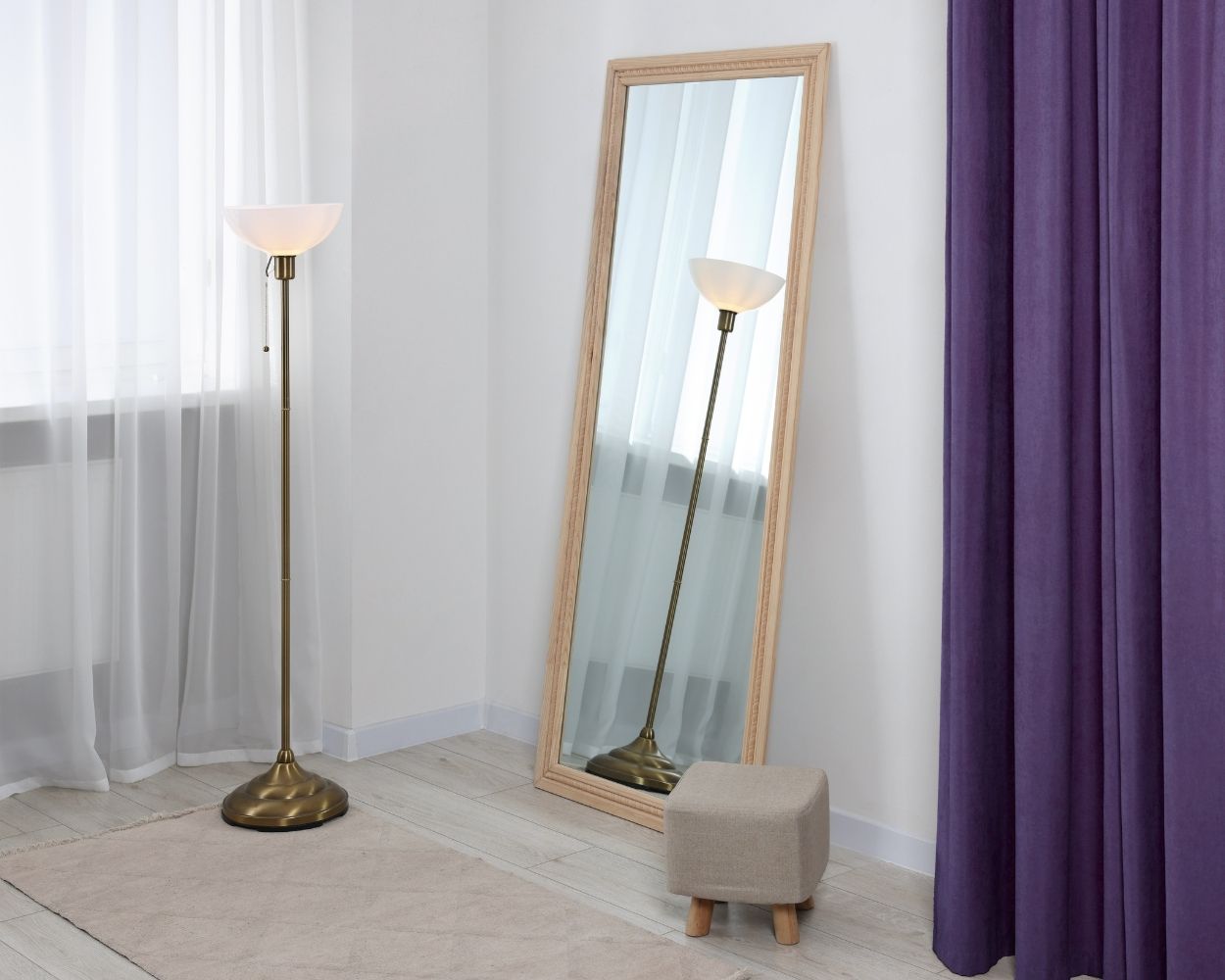
Before finalizing placement, consider what the mirror will reflect. A well-placed mirror should capture something positive: a window view, architectural detail, artwork, or a styled vignette.
Avoid placing mirrors where they reflect clutter, blank walls, or high-traffic distractions. The reflection becomes part of the design, so choose wisely.
Where a mirror should be placed in a living room depends on light, proportion, and layout. Framed, custom-sized mirrors provide the most flexibility and architectural clarity. When thoughtfully positioned, they expand space, enhance brightness, and elevate the overall design.