6 Mirror Placement Rules for Homes
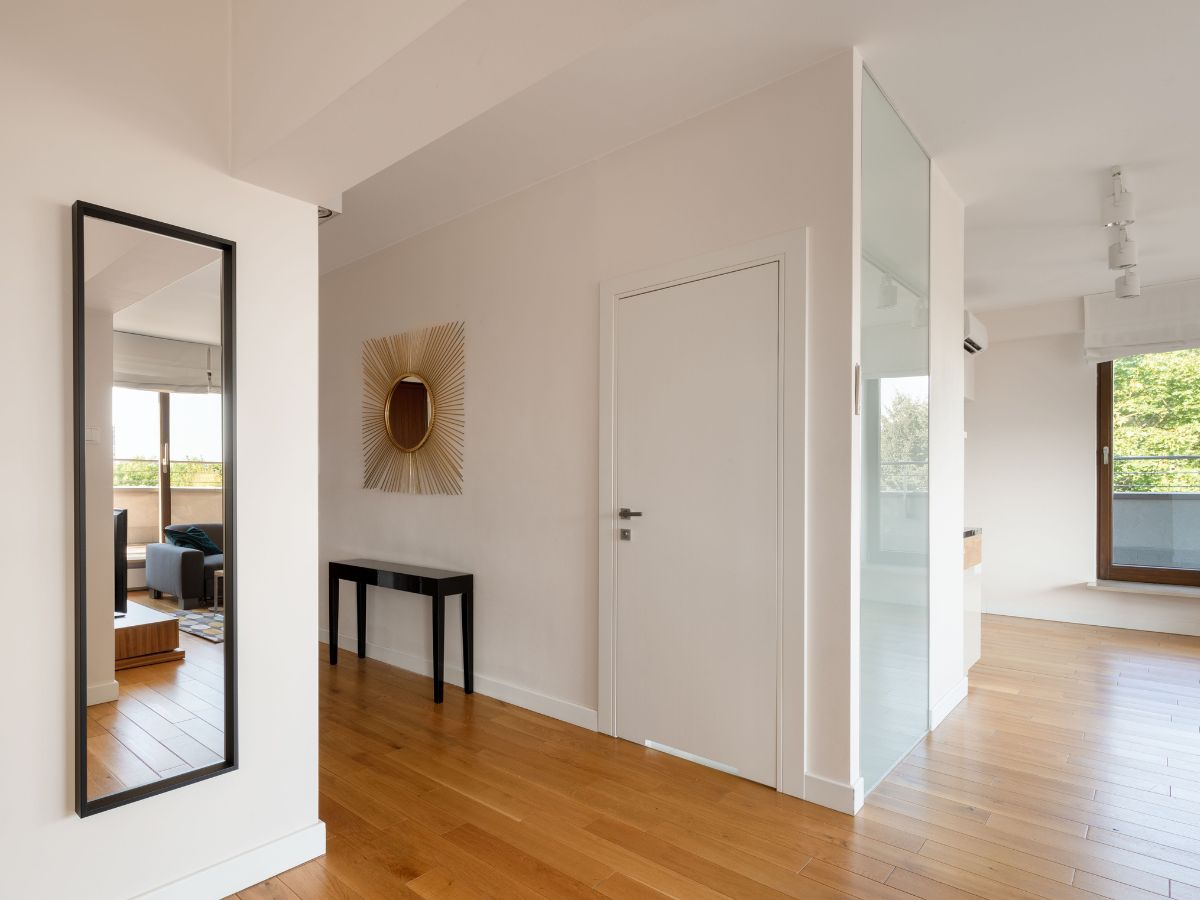
Mirror placement is one of the most underestimated tools in residential design. Used correctly, mirrors expand space, improve natural light, and reinforce architectural symmetry. Used poorly, they create glare, awkward reflections, and visual clutter. For interior designers, remodeling companies, and home design professionals, understanding clear mirror placement rules is essential to delivering refined, high-value interiors.
1. Start with purpose
Before specifying any mirror, define its role. Is it meant to reflect light, create the illusion of depth, reinforce symmetry, or serve a functional need? In a primary bathroom, the mirror is both functional and architectural. In a dining room, it may be used to amplify natural light or reflect a statement fixture. Placement decisions should always support the room’s layout and traffic flow.

2. Respect proportion and scale
One of the most common mistakes is choosing a mirror that is too small for the wall or vanity. As a rule, bathroom mirrors should align proportionally with the vanity below. For a single vanity, a framed, custom-sized rectangular mirror that is slightly narrower than the cabinet creates balance. For double vanities, two framed mirrors define personal zones while maintaining symmetry.
In living areas, mirrors should relate to surrounding furniture. A mirror placed above a console or fireplace should generally be no wider than the furniture piece anchoring it. Custom sizing ensures the mirror fits the architecture instead of appearing like an afterthought.

3. Use mirrors to control light intentionally
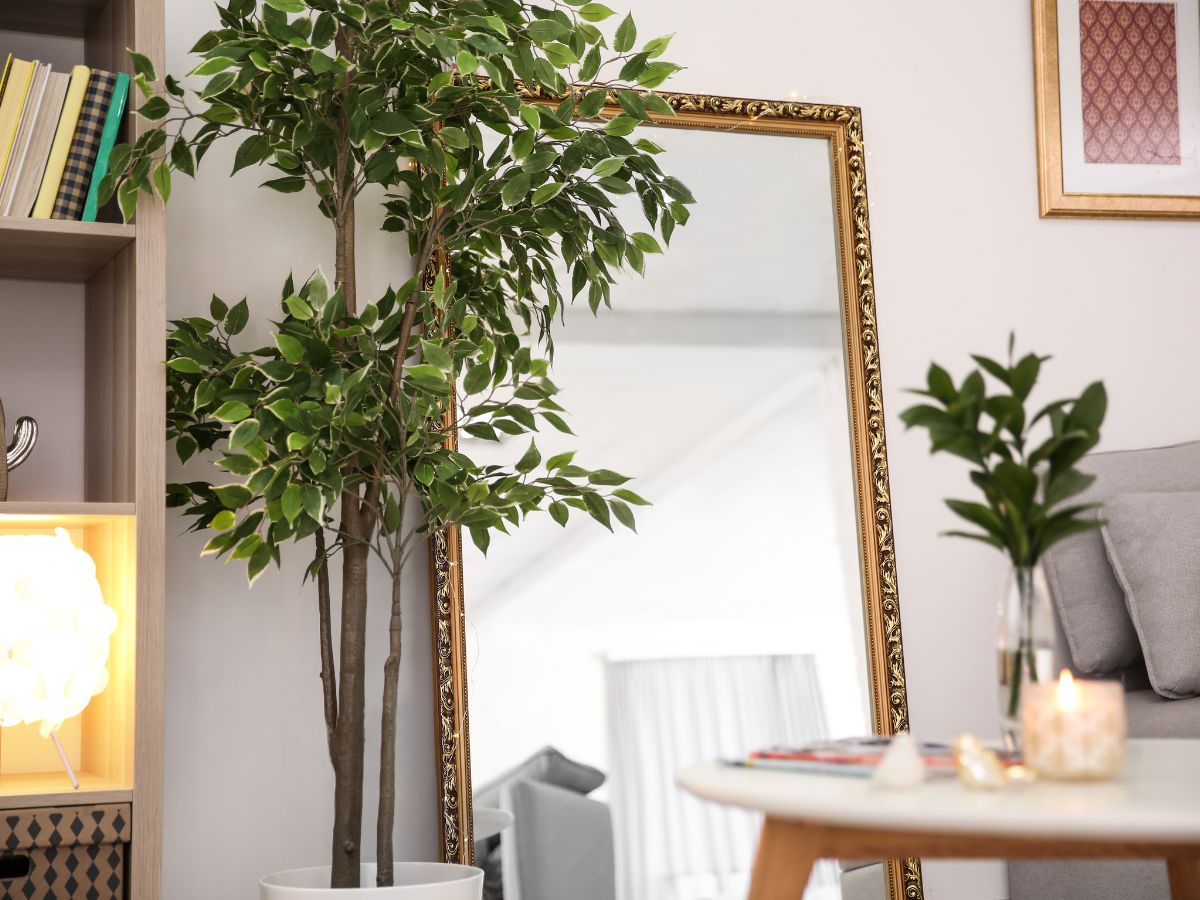
Position mirrors to reflect something worth seeing. Placing a mirror opposite or adjacent to a window increases daylight reflection and brightens the room. However, avoid placing mirrors directly across from cluttered areas or harsh artificial light sources, which can amplify visual noise.
Framed mirrors perform better in residential projects than unframed sheet mirrors. A defined frame in wood, metal, or painted finishes adds structure and prevents the mirror from visually disappearing into the wall. It also allows designers to coordinate finishes with plumbing fixtures, hardware, or lighting.
4. Prioritize symmetry in structured spaces
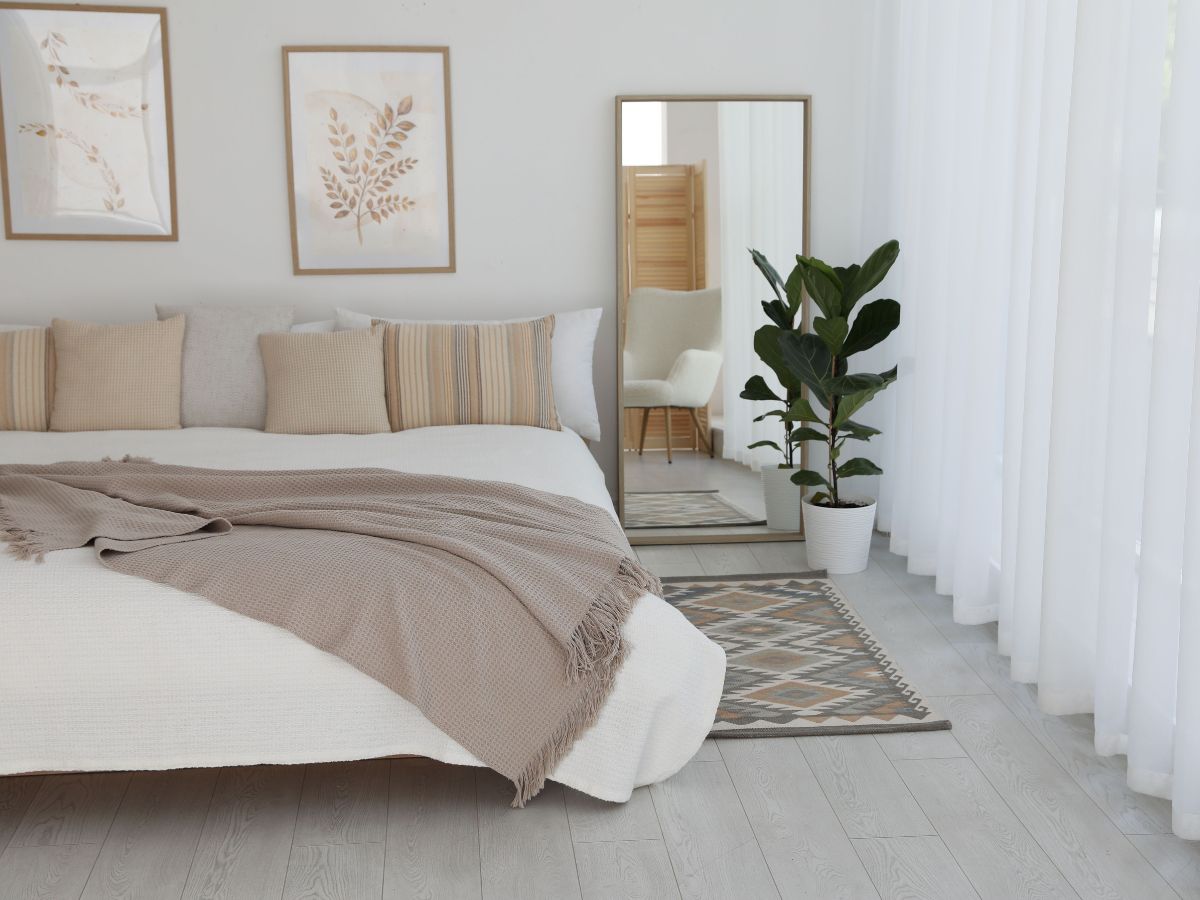
Bathrooms, bedrooms, and formal living spaces benefit from symmetry. Framed, custom-sized mirrors help establish order. In a bedroom, matching mirrors above nightstands can replace traditional artwork while enhancing light reflection. In a dual vanity bathroom, two equal mirrors create a more tailored and architectural presentation than one large wall-to-wall mirror.
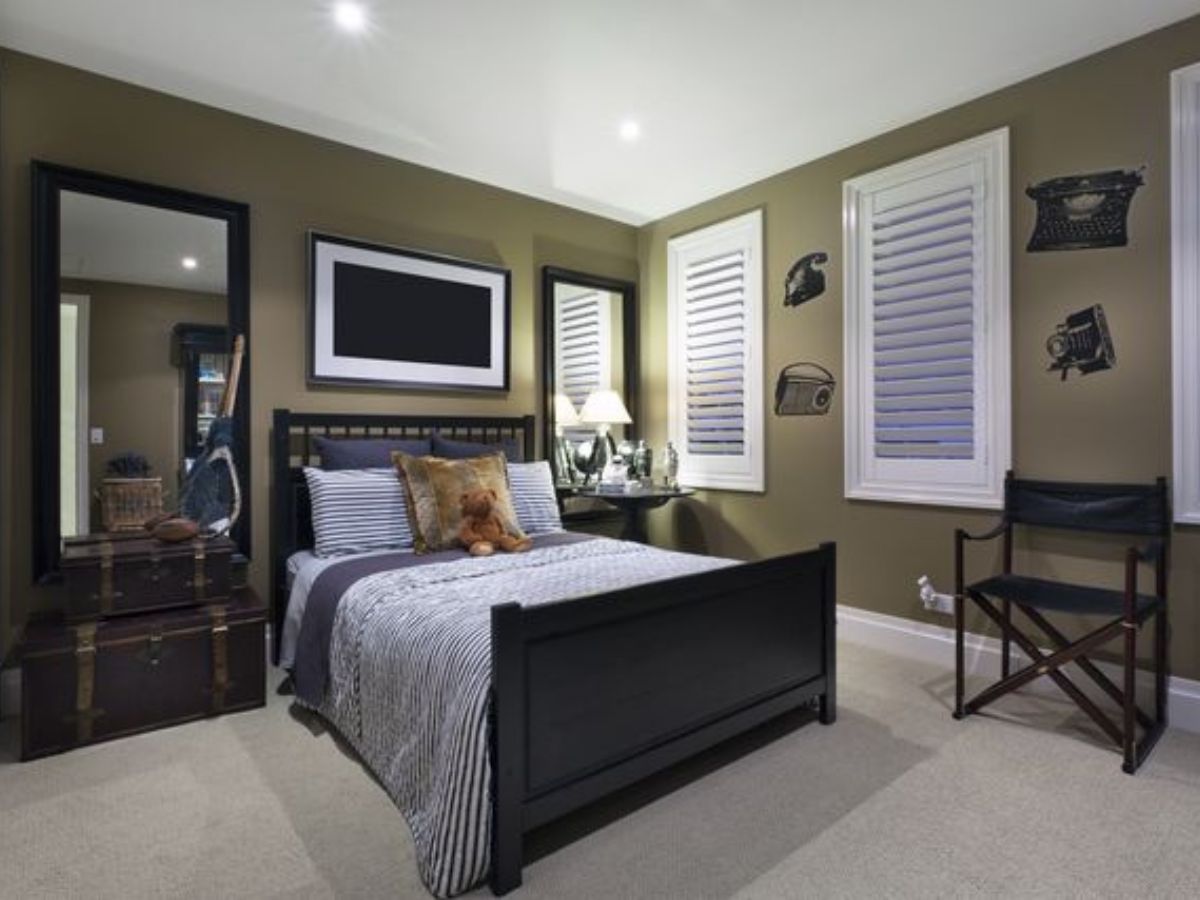
5. Mind the height and sightlines
Standard installation height places the center of a mirror roughly at eye level, but this should be adjusted based on ceiling height and user needs. In powder rooms, slightly higher placement can create a more elegant proportion. Always ensure the mirror reflects appropriate views. Avoid reflecting toilets, storage clutter, or blank ceilings.
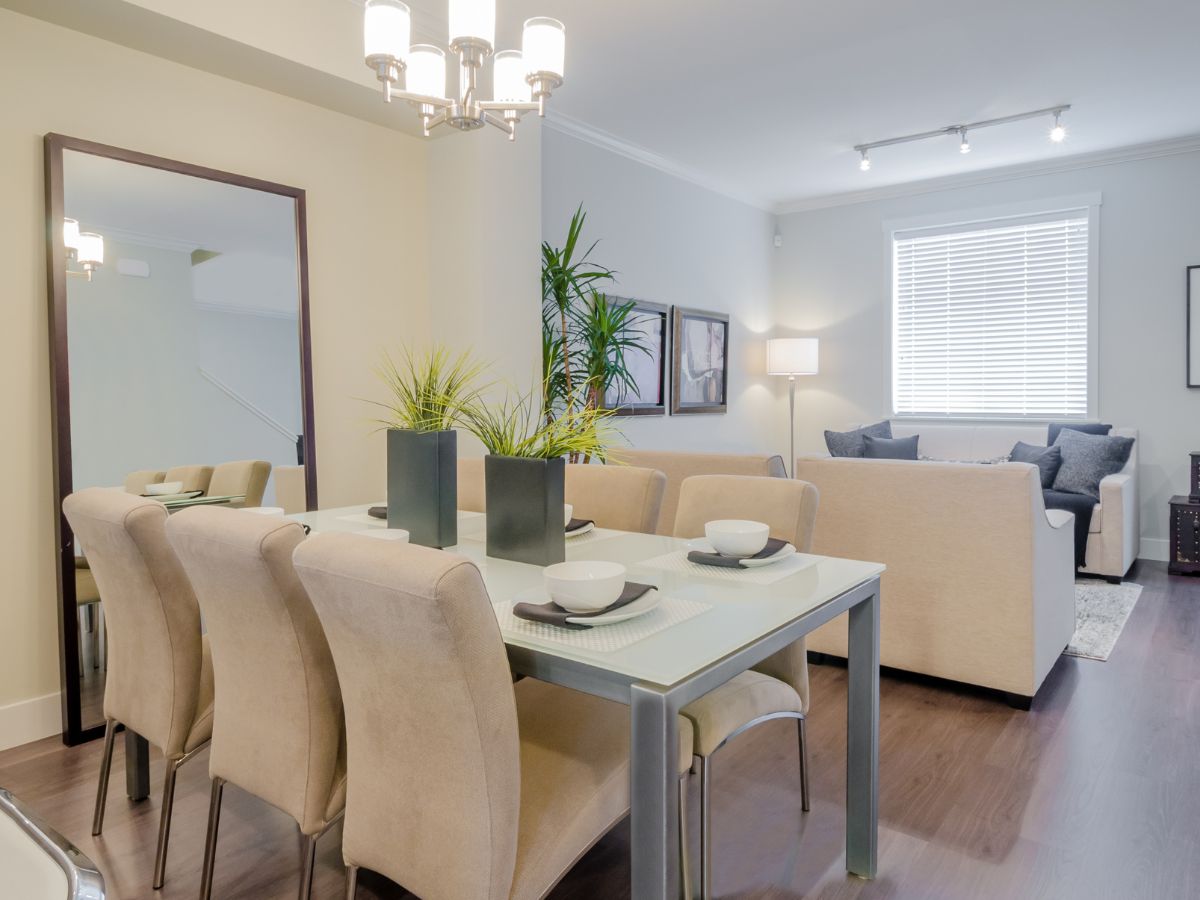
6. Treat mirrors as architectural elements
When sized correctly and framed intentionally, mirrors become part of the design language of the home. They reinforce geometry, expand perceived square footage, and elevate overall finish quality. For designers and remodeling professionals, specifying custom-sized framed mirrors is a strategic design decision that increases visual impact and perceived property value.