What Makes a Mirror Look Expensive?
Some mirrors blend into the background. Others instantly elevate a room. The difference usually isn’t the glass itself. It’s the details, the proportion, and the way the mirror works with the space. If you want a mirror that feels expensive without forcing the rest of the room to compete, start with a few simple design principles that professionals rely on every day.
1. Frame
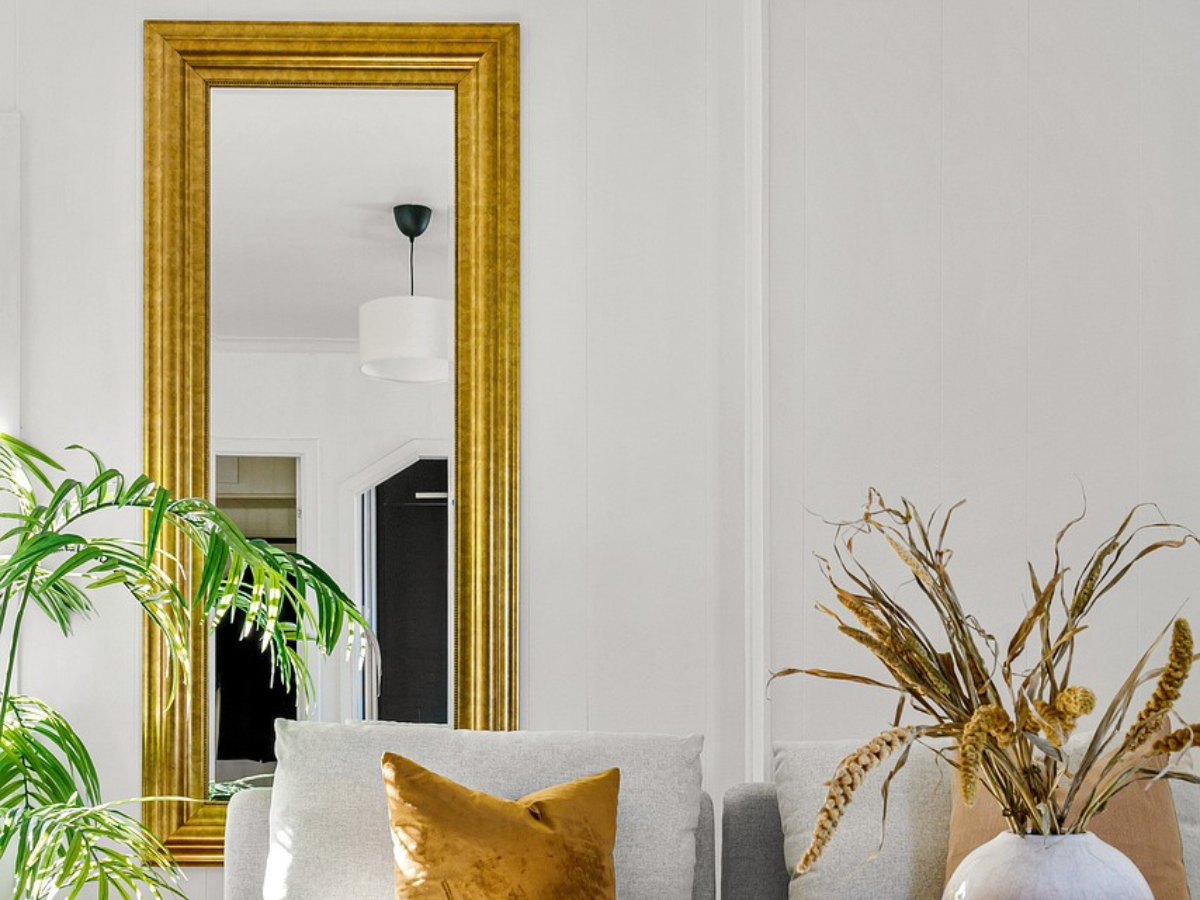
One of the first things people notice is the frame. A mirror with a solid, well-crafted frame always reads as higher quality. Thin metal frames in matte black or brass bring precision to modern interiors. Wide wood frames add weight and warmth, especially when the grain is visible and the finish is clean. What matters is intention. A good frame feels like a deliberate part of the room, not an afterthought you grabbed at the last minute.
2. Proportion
Another big marker of luxury is proportion. A mirror looks expensive when it fits the space as if it was made for it. This is where custom sizing comes into play. A rectangular mirror that spans the full width of a vanity or console adds a tailored sense of order. A pair of custom square mirrors above double sinks creates symmetry that feels calm and polished. When the mirror aligns with architectural lines, trim, or nearby furniture, the entire room feels more grounded.
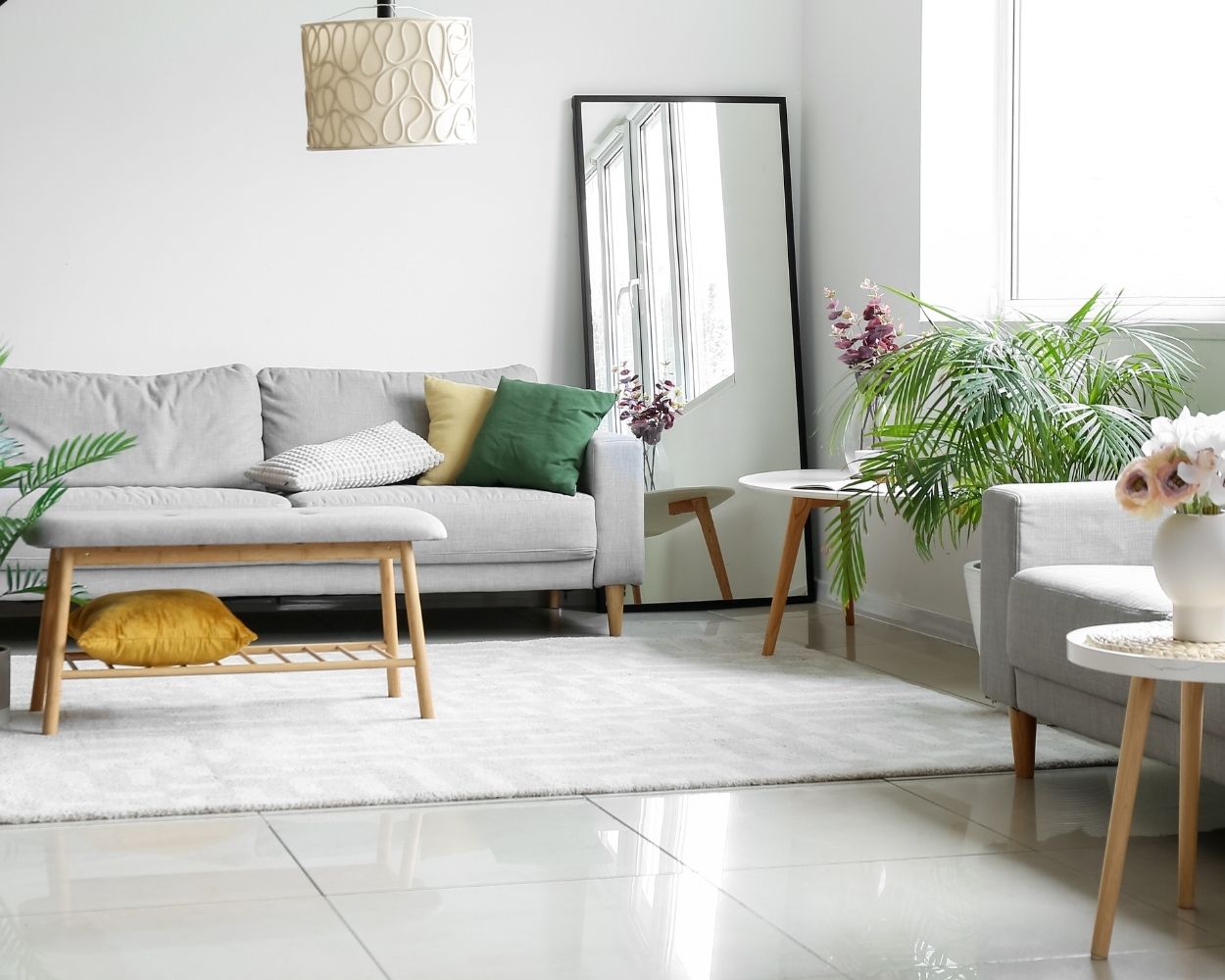
MAL-0399 Black Framed Mirror For Living Room
3. Lighting
Lighting also plays a major role. A mirror that catches and spreads light will always look more upscale than one that sits in the shadows. Place mirrors across from windows when possible, or near lamps and sconces. The reflected glow softens edges and makes the frame look richer. In smaller rooms, this trick doubles the effect because the mirror brightens the space while looking brighter itself.
4. Mirror Details
Then there are the often-ignored details. Beveled edges instantly add refinement, giving the mirror depth without calling attention to itself. Quality backing materials prevent warping over time, which keeps the reflection crisp. Solid hanging hardware matters too. When a mirror sits flush to the wall and doesn’t tilt or rattle, it reads as secure and well made.
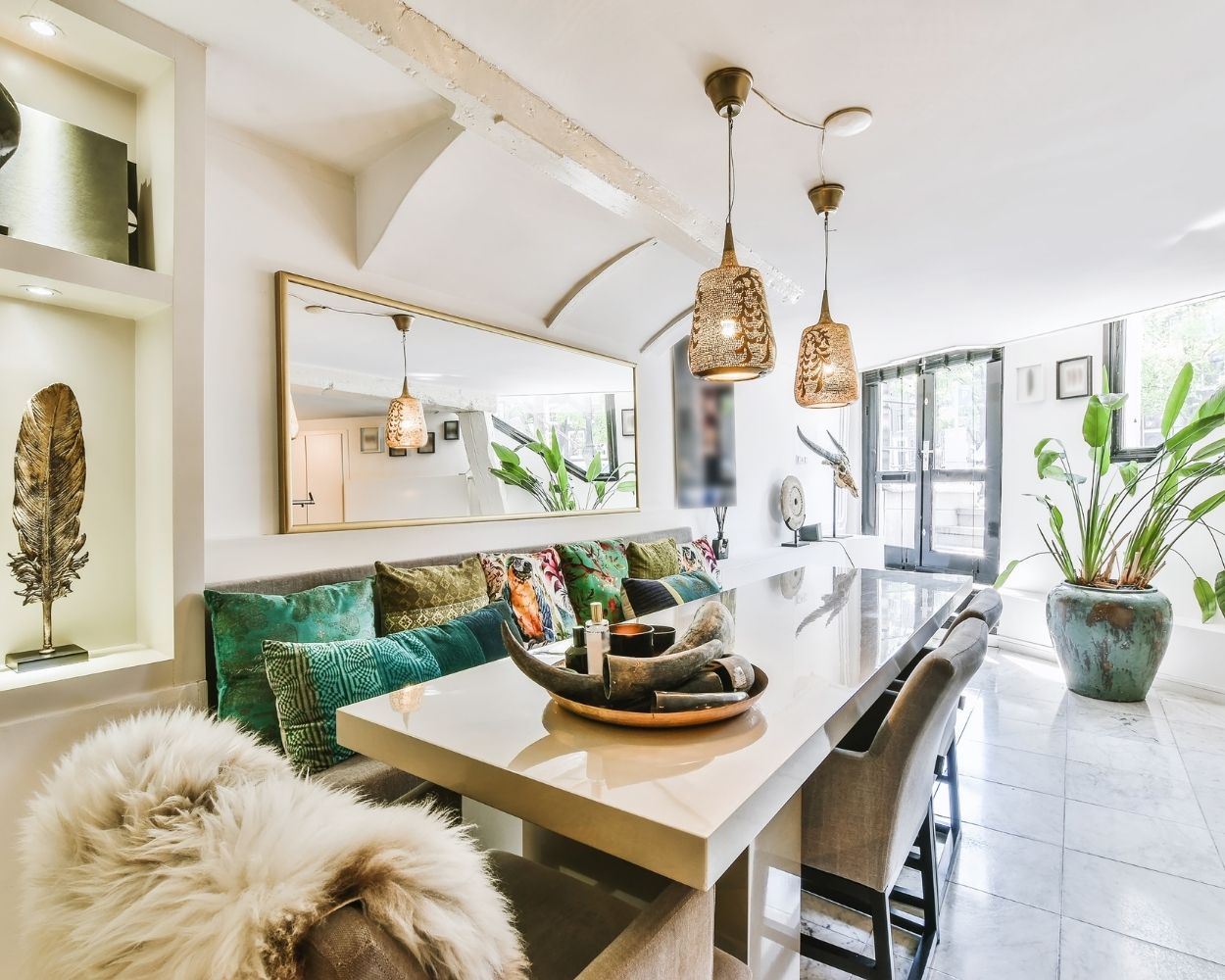
MAL-0979 Gold Framed Mirror for Dining Room
5. Texture and Finish
Texture and finish have their own influence. A brushed brass frame feels different from polished brass. A warm walnut edge brings a different character than a cool-toned ash. These subtle shifts help the mirror tie into the overall design palette. When the frame material relates to other elements in the room, such as cabinet hardware or light fixtures, the mirror looks intentional and more luxurious.
6. Placement
Finally, placement is everything. Even a beautiful mirror can fall flat if it reflects clutter or awkward angles. Aim your mirror toward something worth repeating: natural light, architectural features, greenery, or artwork. A high-end mirror not only looks good on its own but enhances the environment around it.
Expensive-looking mirrors aren’t about price. They’re about purpose, proportion, and the thoughtful details that designers lean on to elevate a space.