Where to Hang a Full-Length Mirror: Smart Placement Ideas
A full-length mirror is one of the most practical and versatile pieces you can add to a space. But where you place it makes all the difference. Done right, it can improve lighting, create the illusion of space, and elevate the entire design.
Let’s walk through where full-length mirrors actually work best and why.
Start with the bedroom.
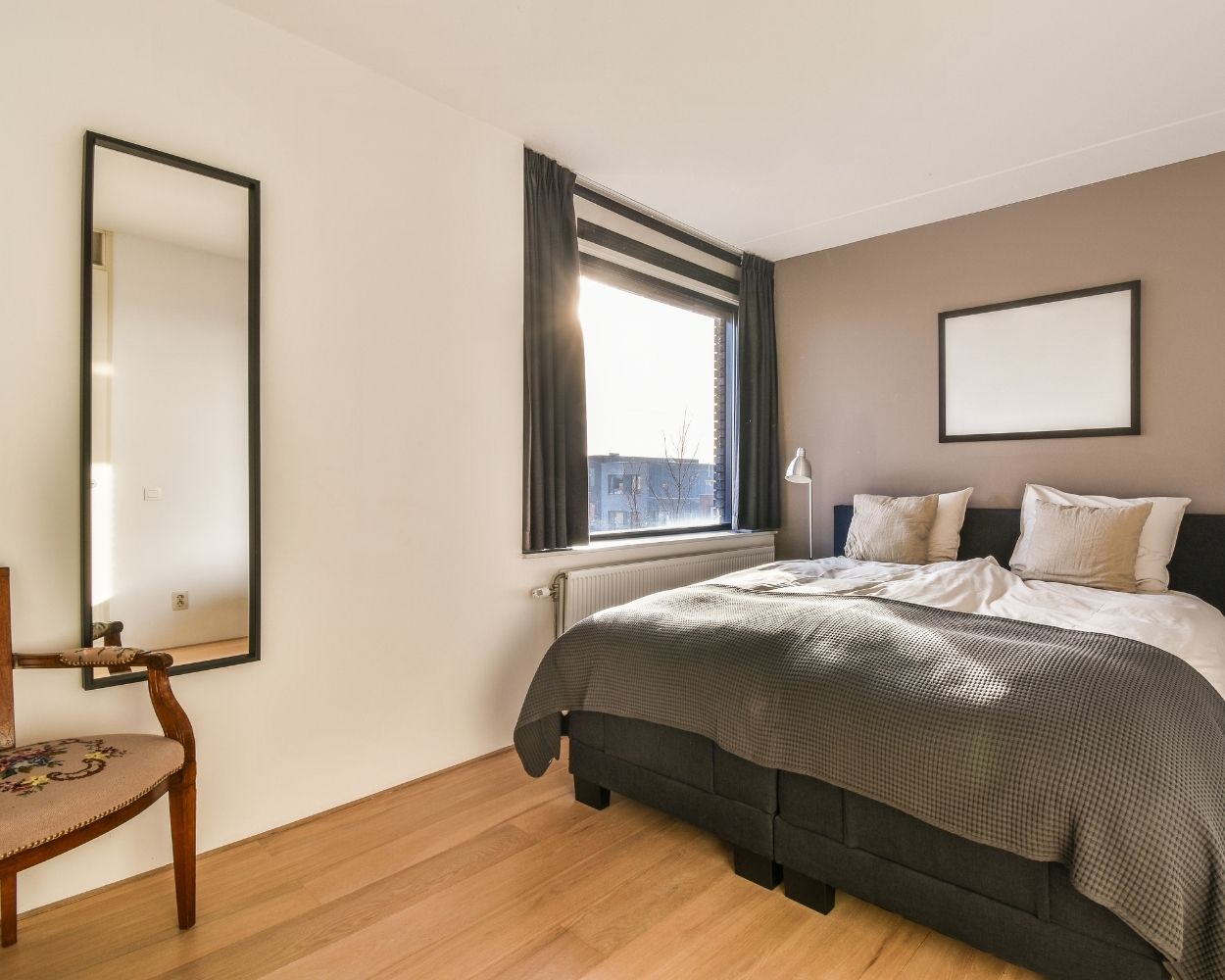
This is the most common and most functional placement. A full-length mirror near a closet or dressing area makes daily use easy and natural. The key here is positioning. Avoid placing it directly facing the bed if possible. Instead, install it along a side wall or near a wardrobe.
Framed, custom-sized mirrors work especially well here. They align cleanly with vertical lines like doors and cabinets, creating a more structured and intentional look.
Next, consider the entryway.
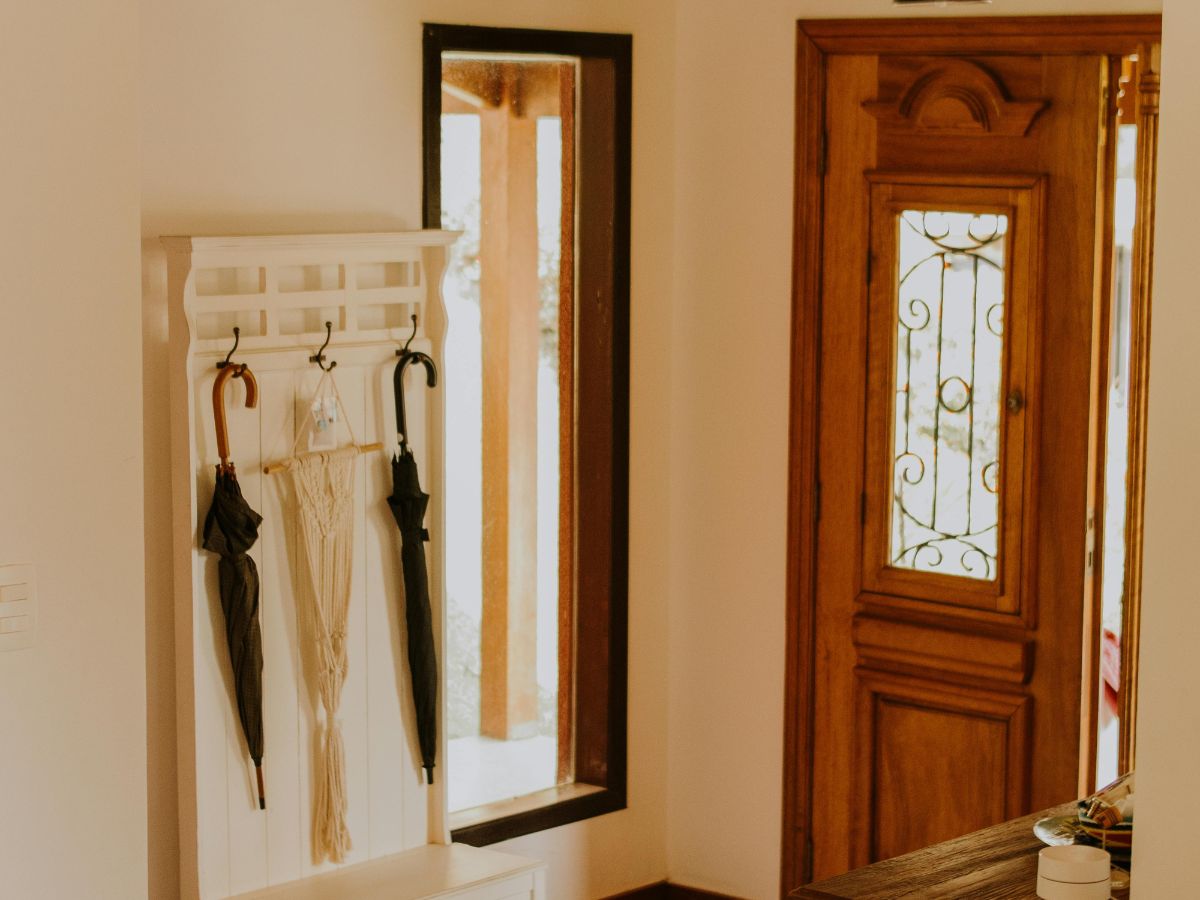
From a design perspective, this is one of the most underused spots for a full-length mirror. It serves a clear function for last-minute checks, but more importantly, it helps open up what is often a narrow or dim space.
Adding mirrors in entryways can make spaces feel larger due to improved light reflection and depth perception. A tall, framed mirror placed against a wall or mounted vertically can instantly make the area feel more open and welcoming.
Living rooms are another strong option.
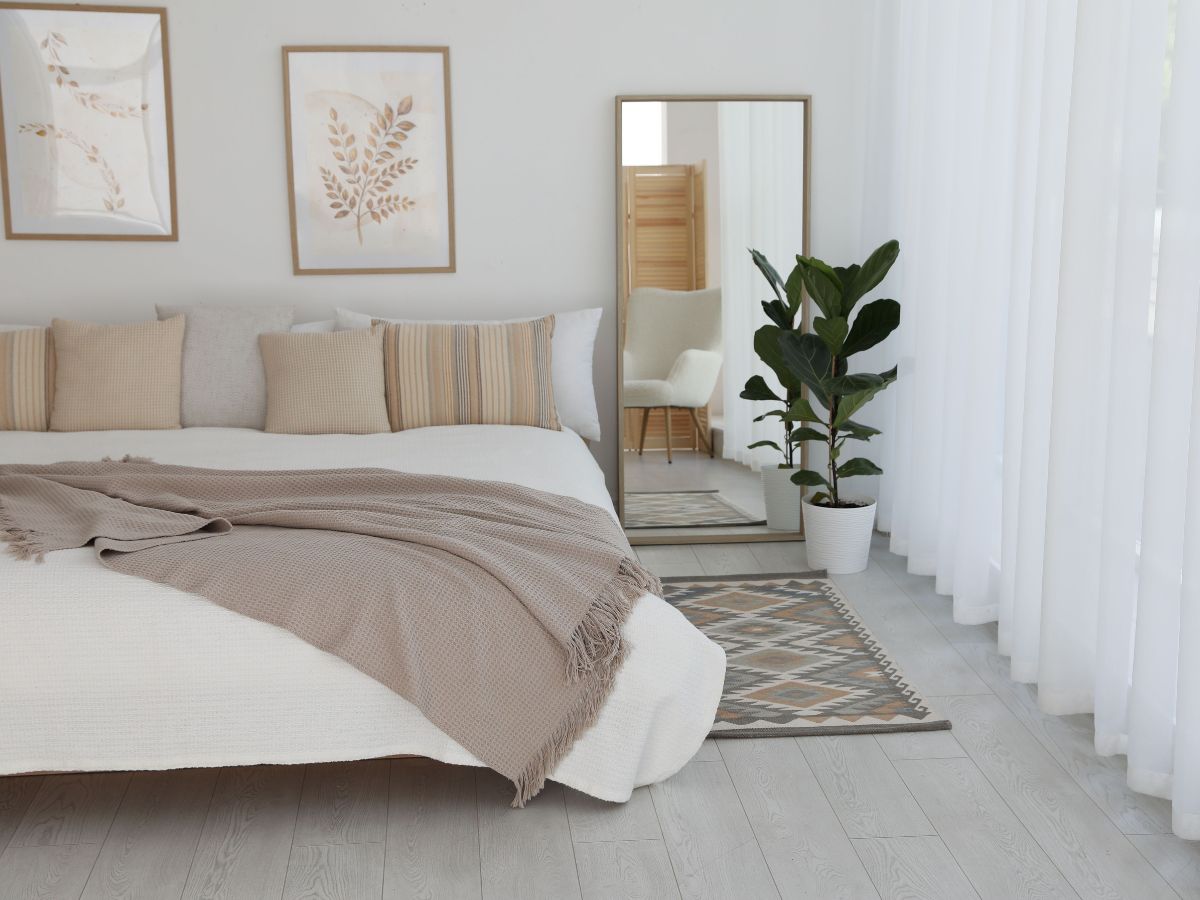
Here, the mirror becomes more of a design feature than a functional tool. Placement is key. Position it where it reflects something worth seeing, such as natural light, a window, or a well-designed focal point.
Custom-sized mirrors are especially useful in these spaces. They allow you to scale the mirror to the wall properly, avoiding the common mistake of using something too small that gets lost visually.
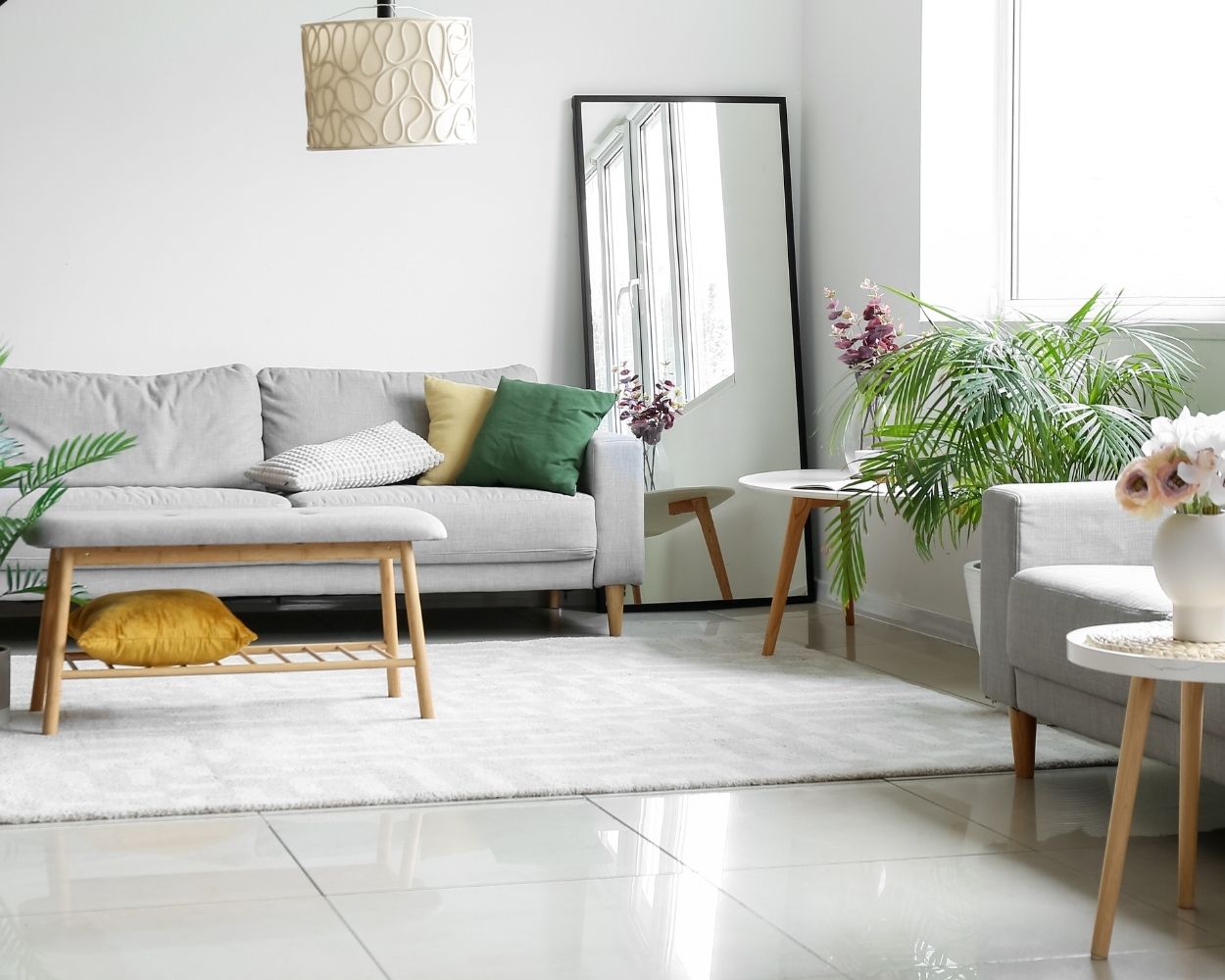
Now let’s talk about tight spaces.
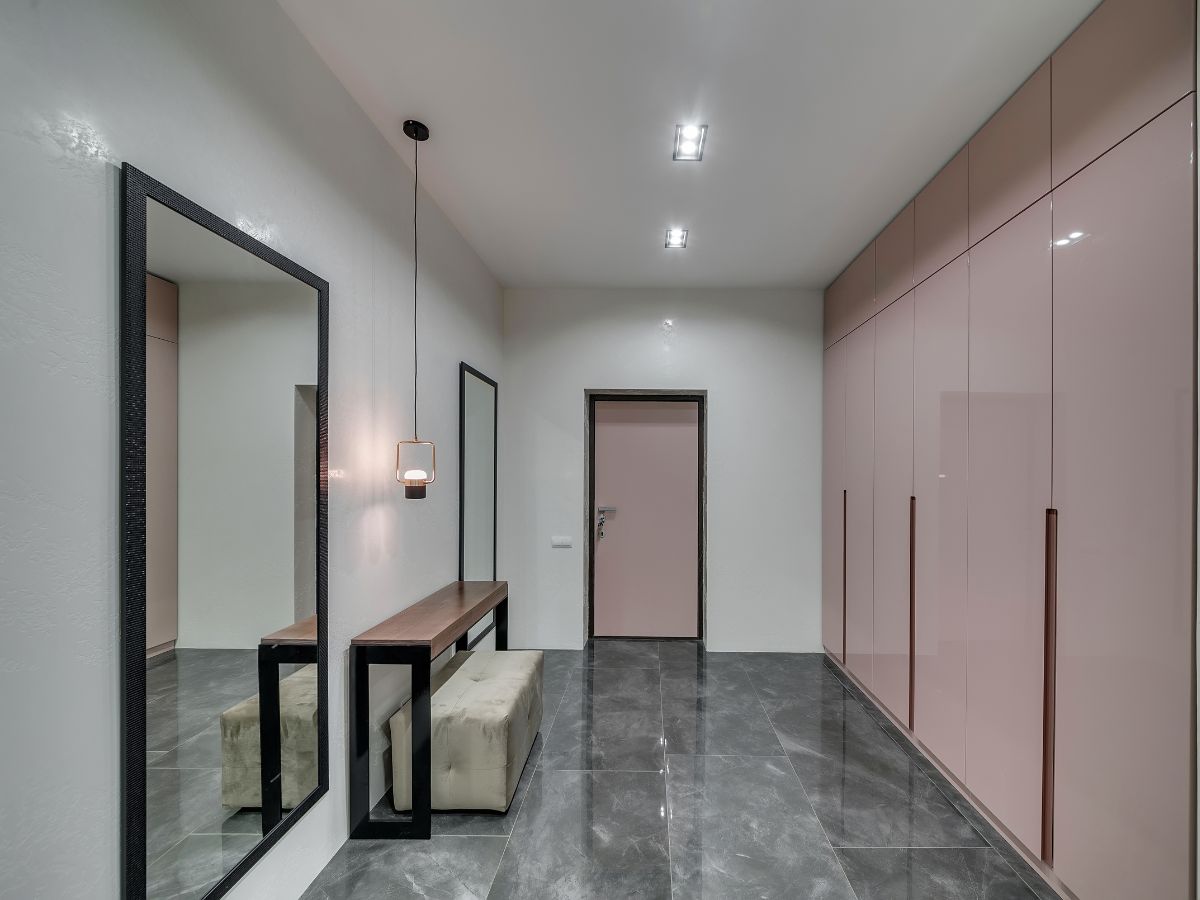
Hallways and corners benefit the most from full-length mirrors. These areas often lack light and depth. A mirror can fix both. When placed strategically, it can visually widen a narrow hallway and brighten it at the same time.
Research in interior environments shows that reflective surfaces significantly increase perceived brightness by redistributing available light. In these cases, a simple rectangular mirror with a slim frame works best. It keeps the look clean without overwhelming the space.
Finally, don’t overlook flexibility.
Leaning mirrors are becoming more popular, especially in modern interiors. They require no installation and can be repositioned as needed. This works well for staging, rentals, or evolving spaces.
Still, for long-term projects, mounted and custom-fitted mirrors tend to deliver a more polished result.
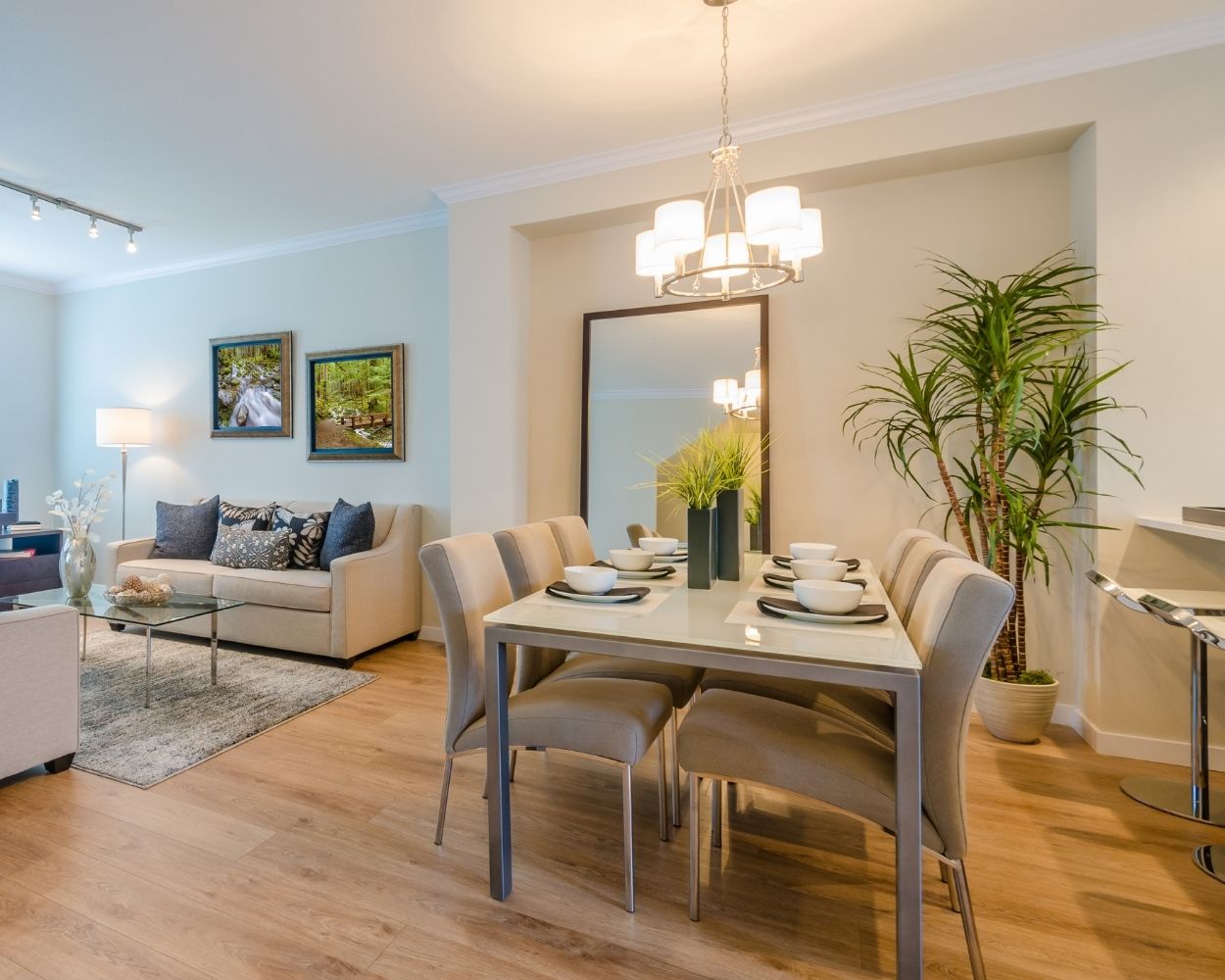
The best place to hang a full-length mirror depends on function, light, and proportion. Bedrooms, entryways, living areas, and tight spaces all offer strong opportunities when handled correctly.
Framed, custom-sized mirrors consistently perform the best because they integrate seamlessly into the design and provide the right balance of form and function.