How to Choose the Best Size for a Floor Mirror
A floor mirror does more than reflect your outfit. It shapes how a room feels, how light moves, and how proportions come together. Choosing the right size is not just about what fits on the wall. It’s about what works with the space. If you’re designing or remodeling, this is one detail that deserves careful thought.
1. Start with purpose
Before looking at dimensions, ask a simple question: what is this mirror for? If it’s meant for full-body use, the mirror should be tall enough to reflect a person from head to toe without forcing them to step back too far. In most cases, that means a height of at least 60 to 70 inches. If the mirror is more decorative, you have more flexibility. It can be shorter, wider, or even oversized depending on the visual impact you want.
2. Understand proportion in the room
Scale matters. A mirror that’s too small will feel like an afterthought. Too large, and it can overwhelm the space. A good rule is to relate the mirror size to the wall and nearby furniture. For example, if you’re placing a floor mirror next to a dresser or console, aim for a mirror that is about two-thirds to nearly the full height of the wall. This keeps the look balanced without feeling crowded. In open spaces or empty corners, oversized mirrors often work better. They anchor the area and create a stronger design presence.

3. Consider ceiling height
Ceiling height should guide your decision more than most people think.
- Standard ceilings (8 feet): Mirrors around 65–72 inches tall usually feel right.
- Higher ceilings (9–10 feet): You can go taller, up to 75–80 inches, to avoid leaving too much empty vertical space.
Tall mirrors help draw the eye upward, making the room feel larger and more refined.
4. Think about width and viewing angle
Height gets most of the attention, but width matters just as much. A narrow mirror works well in tight spaces or for quick outfit checks. But if you want a more comfortable viewing experience, especially in bedrooms or dressing areas, go wider. Around 24–36 inches is a practical range. Wider mirrors also reflect more light, which helps brighten darker rooms.

5. Placement changes everything
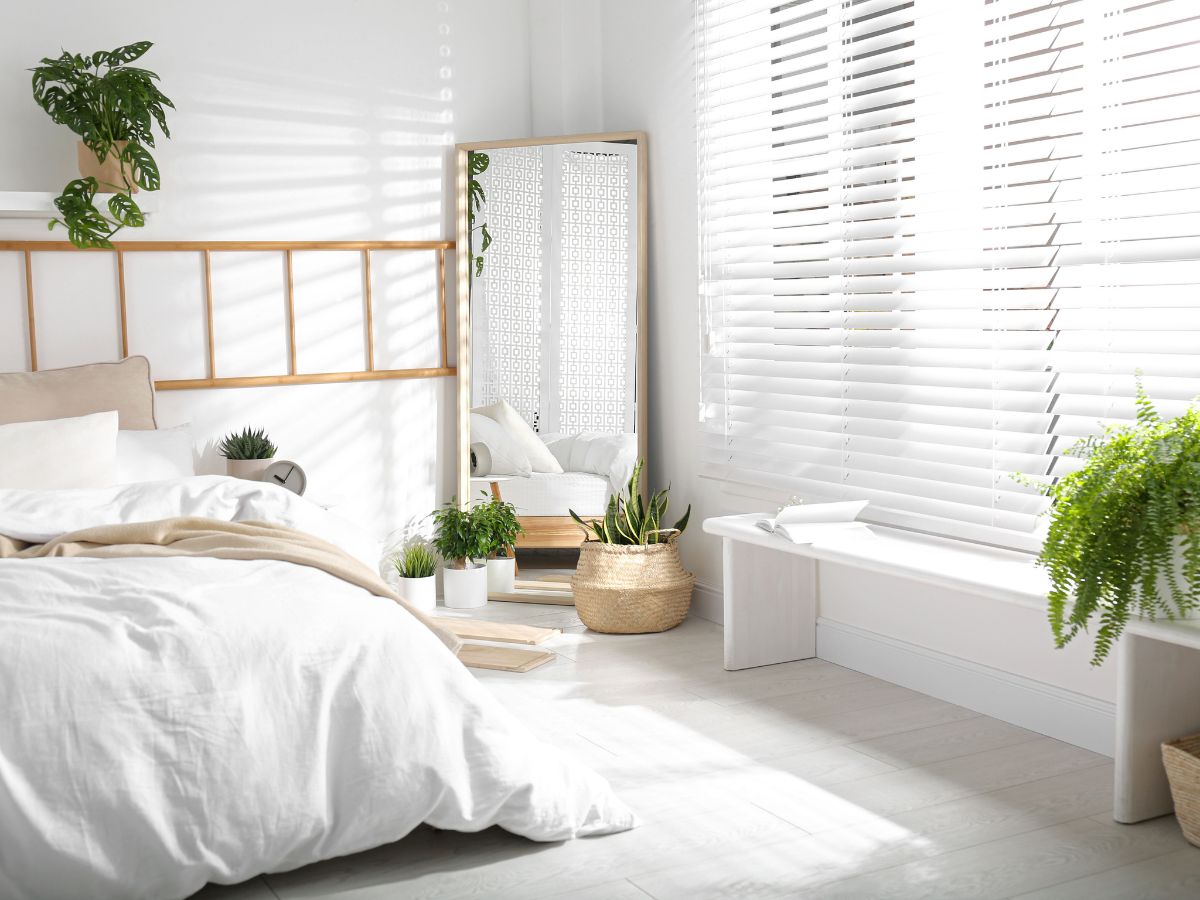
Leaning mirrors tend to feel more relaxed and modern. They’re often larger and slightly oversized to create impact. Wall-mounted mirrors feel more structured. In this case, size should align more precisely with the wall and surrounding elements.
Also consider distance. If the mirror is placed in a narrow hallway, a slimmer profile prevents it from feeling intrusive. In a spacious bedroom, a larger mirror adds presence without crowding.
6. Don’t forget function meets style
Frame thickness and design can affect how large the mirror feels. A thick frame adds visual weight, so the mirror itself doesn’t need to be as large. A thin or frameless design feels lighter and may benefit from larger dimensions to stand out.
The best size for a floor mirror comes down to three things: purpose, proportion, and placement. If it’s functional, make sure it reflects what you need. If it’s decorative, let it support the overall design. And always check how it interacts with the room, not just the wall.